Old Bergen Museum
The Old Bergen Museum sits in the Sandviken district of Bergen, a city in Vestland county on Norway's southwestern coast, and it exists to answer one question: what did everyday life in this trading town actually look like before fire and modernity remade it?
Short answer
The Old Bergen Museum is an open-air museum in the Sandviken area of Bergen, Norway, where relocated wooden houses, workshops and interiors reconstruct the town as it was in the era of Hanseatic trade and the wooden-town years that followed. There is no verified admission price or opening schedule in this site's current research pack, so check the operator's own listing before you go; the museum pairs naturally with the Hanseatic and Bryggen sites in the city centre.
The Old Bergen Museum stands in the Sandviken district of Bergen, a city and municipality in Vestland county on Norway's southwestern coast, and it does something the harbourfront of the modern city cannot: it slows the town down to walking pace. Bergen grew rich as a Hanseatic League trading post, and timber was the material of almost everything here, from merchant courtyards to the homes of sailors and shopkeepers. An open-air museum of relocated wooden buildings lets you read that story with your feet rather than through a glass case. This guide sets out what the museum is, how to reach it, what a visit costs to plan around in transport terms, and which of the city's guided tours slot neatly alongside it, without inventing a single figure the site's research pack has not verified.
What Is The Old Bergen Museum In Bergen, Norway?
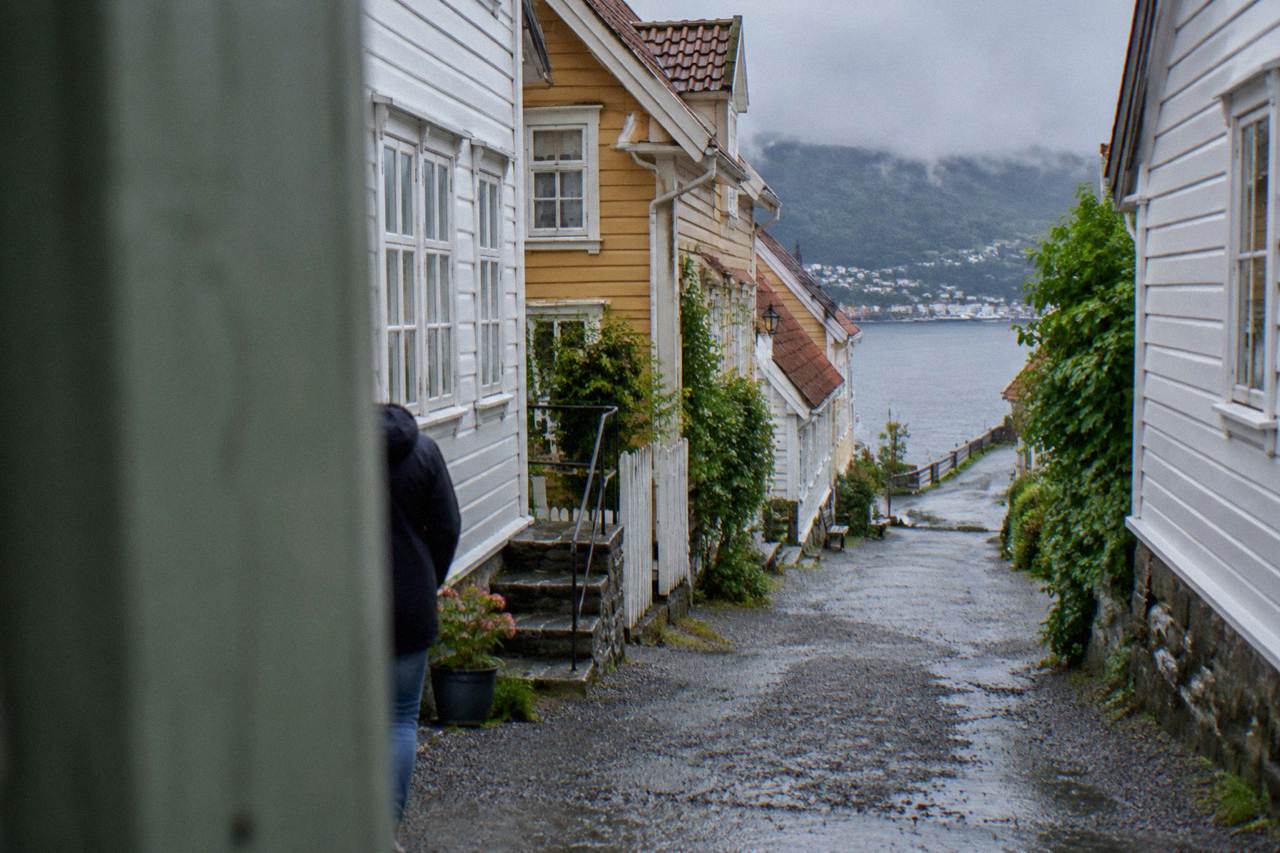
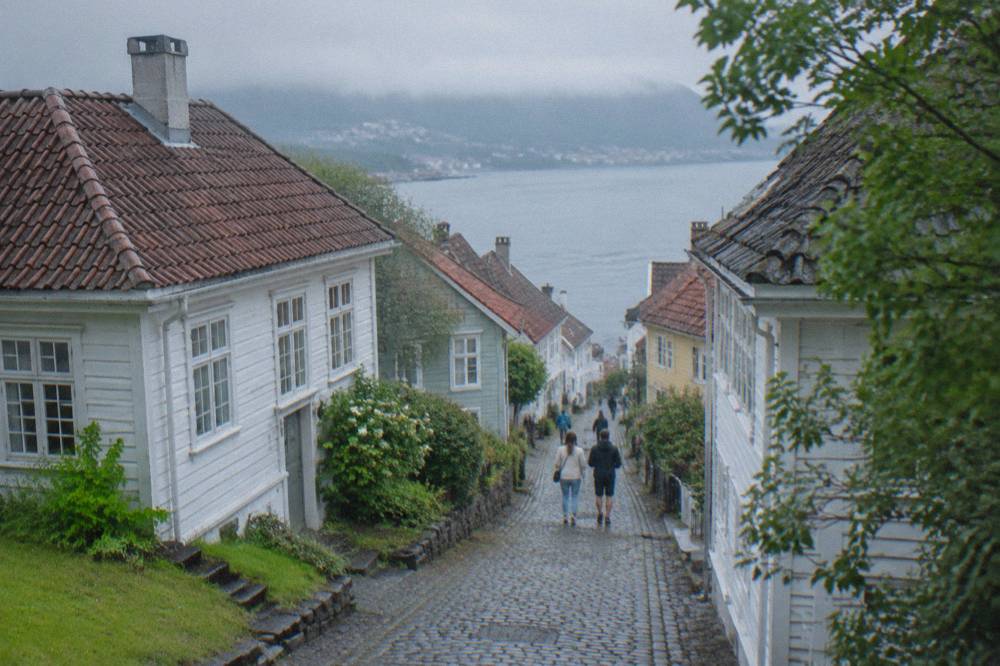
The Old Bergen Museum is an open-air museum in the Sandviken neighbourhood of Bergen, Norway, made up of historic wooden houses that were moved from their original locations in the town and rebuilt together as a streetscape. Its purpose is to show ordinary town life from the years of Hanseatic trade and the wooden-town period that followed, the shops, homes and workshops of the people who lived around the harbour, rather than the grand official buildings that survived downtown.
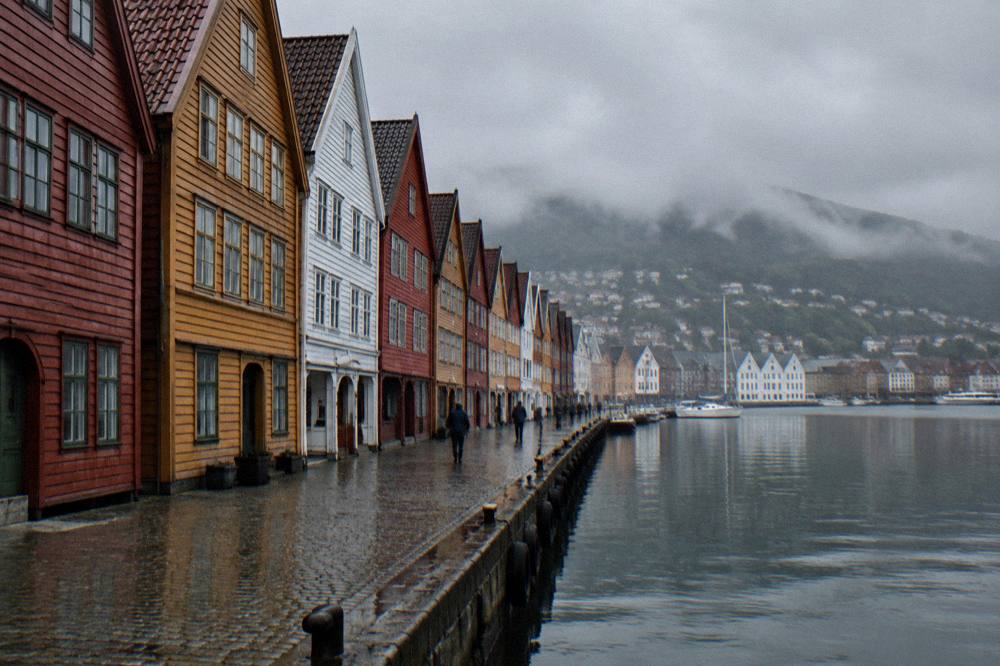
That framing matters, because the centre of Bergen is dominated by structures that power and money preserved: the fortress, the Hanseatic wharf at Bryggen, the churches. The domestic scale of the town, the rented rooms, the small trade premises, the homes of families who never joined the German merchant elite, largely burned or were demolished as the city modernised. An open-air museum of relocated buildings is the only place that scale survives in one walkable cluster.
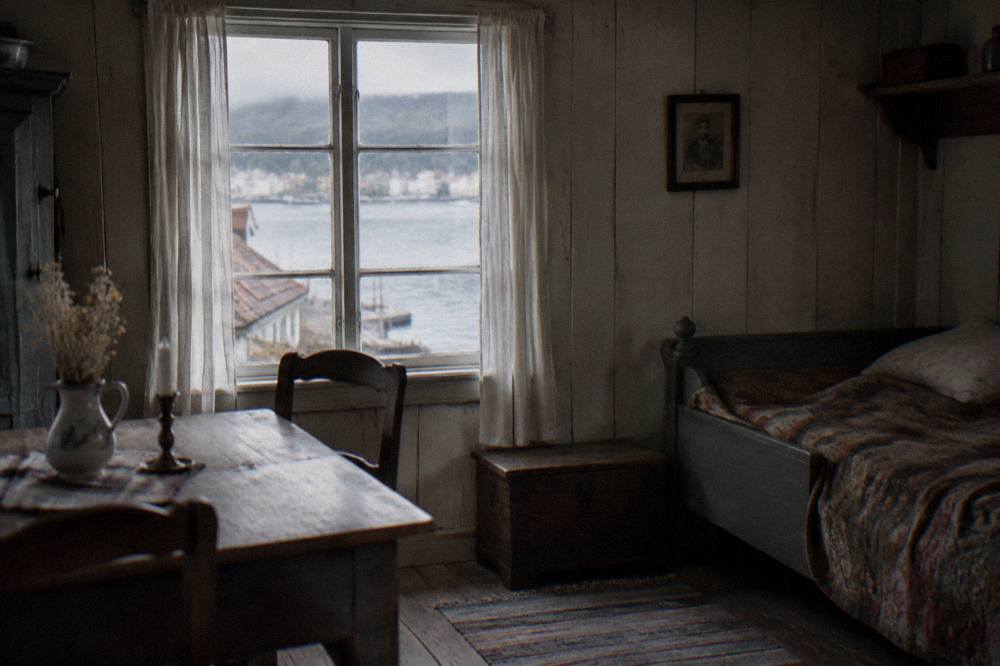
The museum's approach is interpretive rather than monumental. Interiors are dressed as period rooms, and in the main season costumed interpreters demonstrate crafts and household work in them, which is what separates an open-air museum from a warehouse of old timber. Because the buildings are genuine survivors rather than replicas, the floors slope, the doorways are low and the staircases are steep, and that physical honesty is part of the point.
Bergen, Norway is a compact city, and the museum's position in Sandviken, a traditionally working-class quarter on the northern side of the peninsula, is itself part of the story. This was the kind of district the museum commemorates. If you want the same period seen through a single institution rather than a streetscape, the Hanseatic Museum in the centre covers the merchant side of the same era, and Bryggens Museum shows the archaeology beneath the wharf that the written record never captured.
One practical note before anything else: no admission price or opening schedule for the Old Bergen Museum is verified in this site's current research pack, so this guide deliberately prints none. Check the museum's own listing or the official visitor site for the current figures rather than trusting a third-party summary, because seasonal openings at open-air museums in Norway shift from year to year.
What Can You See Inside The Old Bergen Museum?
Inside the Old Bergen Museum you walk a reconstructed streetscape of wooden houses: dwellings furnished as period homes, a shop and trade interiors showing how goods were sold, and workshops set up for the crafts that kept a pre-modern town running. The buildings are original structures relocated from central Bergen, so the museum reads as a real neighbourhood rather than a stage set, and the interiors are the main attraction, each one dressed to a documented period in the town's history.
The domestic rooms carry the visit. A merchant family's parlour looks nothing like a sailor's one-room lodging, and the museum's collection is arranged so that contrast is visible within a few doors of each other. That social range is deliberate: the point of an open-air museum is that a town is made of everyone's houses, not only the ones that were worth rebuilding in place.
Craft and trade demonstrations are the second layer. In the main season, interpreters in period dress work in the workshops and talk visitors through what they are doing, and this is where the museum earns its keep for families: children who glaze over in a gallery will watch someone actually making something. Outside the demonstration season the houses still stand open as furnished interiors, but the living element thins out, which is a fair reason to time a visit for summer if you can.
Photography is a quieter pleasure here. Bergen's climate is temperate oceanic and wetter than most of Norway's; yr.no's Bergen station table, published by Met Norway, shows 217 days with precipitation across the trailing thirteen months. Overcast light is the norm, and it flatters old timber, softening the grey of the weathered boards. A camera that can handle drizzle without fuss is worth packing, and the packing advice on what to bring applies to this district as much as to any fjord viewpoint.
The museum also connects to a broader theme this site covers often: how Bergen handles its own past. The Leprosy Museum records the harder edge of the town's pre-modern life, and the Bergen Maritime Museum carries the seafaring economy that paid for all these houses. Between them and the Old Bergen Museum you can assemble a full social history of the town without ever entering a modern building.
A visit to an open-air museum also builds an appetite, and Bergen rewards eating well. The city's food scene deserves more than a rushed cafeteria stop, and a guided walk through it is one of the most reliable ways to spend an afternoon in the centre afterwards.
How Do You Get To The Old Bergen Museum?
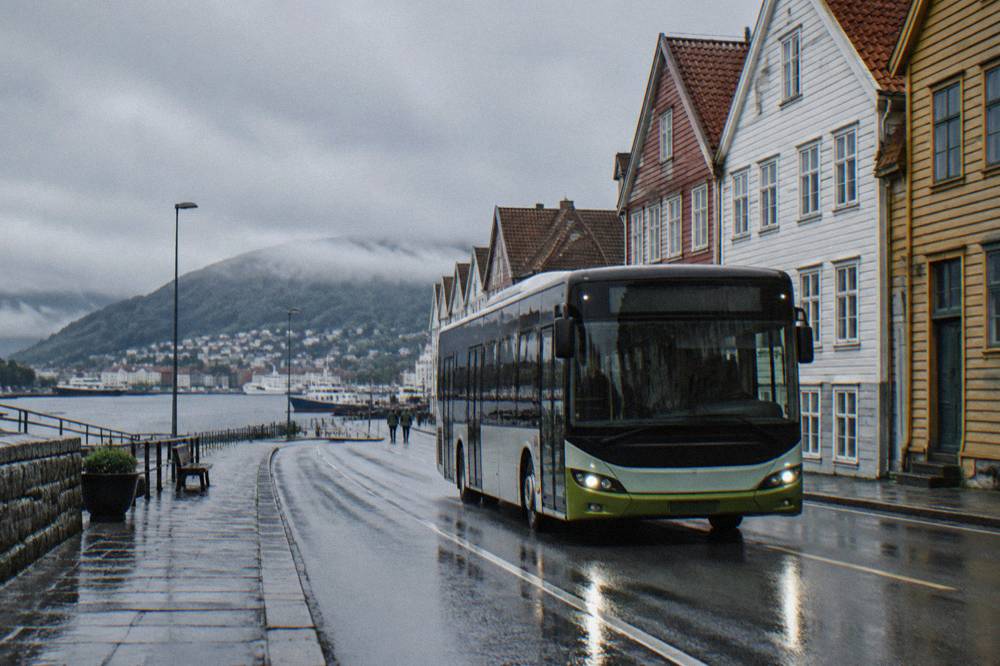
The Old Bergen Museum is reached from central Bergen by public transport on the Skyss network, whose single adult ticket in zone A costs 51 NOK per the official visitor-site listing, or by a short taxi ride from the city centre. Bergen Card holders travel free on all Skyss buses and the Bybanen light rail across Vestland county, including the airport line. No verified journey time in minutes is available, so plan with the Skyss journey planner rather than a printed figure.
That last sentence is worth dwelling on, because most guides print a minutes figure for everything in Bergen and this site refuses to where the research has not confirmed it. Use the Skyss travel planner, which is the operator's own tool, for the live connection from wherever you are standing. Sandviken sits north of the city centre, and buses from the centre serve the district, but routes and stops change with roadworks, as the summer 2026 Bybanen maintenance showed.
The transport economics are simple and worth knowing before you buy anything. A single Skyss ticket in zone A costs 51 NOK, confirmed on the official visitor-information page and echoed in the Bergen Card flyer. The Bergen Card 2026, priced from the official flyer at 400 NOK adult for 24 hours and rising to 700 NOK for 96 hours, bundles all zone-A buses and the light rail, plus discounted entry to many of the city's paid attractions, so it usually pays for itself on any day combining the museum district with Fløibanen or Ulriken643.
| Option | Cost (NOK, official figures) | What The Figure Covers |
|---|---|---|
| Skyss single ticket, zone A | 51 | One adult journey on bus or light rail in the zone |
| Bergen Card 24h | 400 adult / 100 child (3-15) | All Skyss buses and Bybanen in Vestland county, plus attraction discounts |
| Bergen Card 48h | 500 adult / 125 child | Same transport coverage, longer window |
| Bergen Card 72h | 600 adult / 150 child | Same transport coverage, longer window |
| Bergen Card 96h | 700 adult / 175 child | Same transport coverage, longest window |
Two temporary-works warnings belong here because they are verified and they affect visitors. The Bybanen ran summer maintenance from 29 June to 26 July 2026, suspending line 1 between Slettebakken and Byparken with replacement buses, and line 2 between Kaigaten and Bergen bus station for part of that period. Separately, the Nonneseter stop has been closed in the direction out of the city centre since 23 February 2026 owing to demolition works nearby. If your visit falls in a maintenance window, the Skyss planner reroutes you automatically, which is exactly why this guide sends you there rather than printing a timetable.
Taxis in Bergen are metered and no flat fare to the museum district is quoted here. Walking is a genuine option for anyone based in the centre who enjoys a hilly city: Sandviken climbs away from the water, and the route passes through residential streets that echo the very streetscape the museum preserves. There is no verified parking figure for the museum either, and the site's general guidance on driving in the city centre is that it is rarely worth the hassle for attractions this close to town.
How Much Time Should You Allow For The Old Bergen Museum?
Allow roughly half a day for the Old Bergen Museum itself, meaning two to three unhurried hours on the site plus travel time from the centre, and treat it as one anchor of a Sandviken-and-centre day rather than a standalone errand. The site is an open-air streetscape, not a single building, and its value comes from walking it slowly, entering furnished rooms, and catching any craft demonstrations running the day you visit. Anyone rushing through in under an hour sees timber and misses the town.
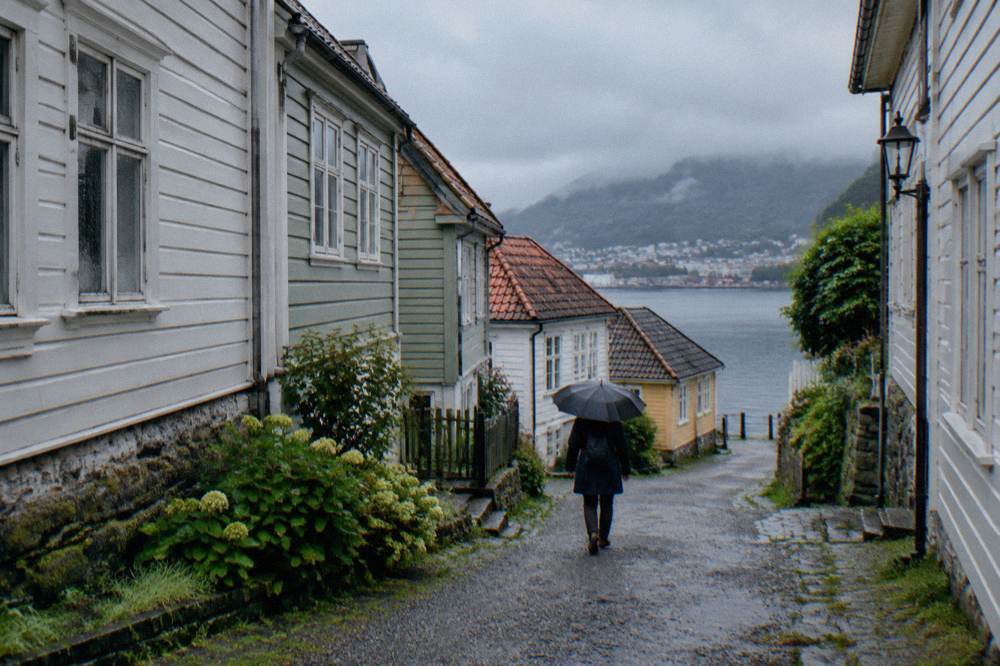
That is planning advice, not an operator's promise, and the honest reason for the range is that open-air museums expand and contract with the season. With interpreters working in the workshops, a family can easily spend a full morning; on a quiet off-season day with fewer rooms open, the same ground is covered faster. The verified wildcard is the weather: Bergen's climate is temperate oceanic and wet, with yr.no's table showing monthly precipitation totals above 200 mm in half the months of the trailing thirteen-month record, so a rainy hour on outdoor lanes feels longer than a dry one.
The rest of the day writes itself, and the Bergen Old Town and Sandviken coverage on this site lays out the neighbours. A sensible pattern is museum in the morning, lunch in the centre, then one of the city's headline sights in the afternoon. Fløibanen's return fare is 200 NOK adult from 1 April to 30 September and 145 NOK from 1 October to 31 March, per the Bergen Card flyer's ordinary-price table, and the Ulriken643 cable car return is 435 NOK adult, confirmed on the operator's own prices page, so the mountain choices are the expensive half of the day and the museum district is the cheap half.
| Time Block | Where | Why It Works In This Order |
|---|---|---|
| Morning | Old Bergen Museum, Sandviken | Interpreters and demonstrations run earlier in the day, and the lanes are quieter |
| Midday | City centre lunch | The centre is a short bus hop from Sandviken on the Skyss network |
| Early afternoon | Bryggen wharf and Hanseatic Museum | The merchant side of the same era, five minutes from most lunch stops |
| Late afternoon | Fløibanen or Ulriken643 | Mountain viewpoints hold their light longest, and the queues thin after the day-trippers leave |
For a one-day-only visit to the city, the honest trade-off is between the open-air museum and the fjord. A half-day fjord excursion from the centre costs more and eats the whole afternoon, which forces a choice. This site's coverage of spending one day in Bergen makes the case for keeping the first day in town and saving the fjord for a second visit, and the Old Bergen Museum is squarely a town-day activity.
When Is The Best Season To Visit The Old Bergen Museum?
The best season for the Old Bergen Museum is the Norwegian summer, June through August, because the open-air parts of the site and the costumed demonstrations are what make an open-air museum worth the trip, and those run fullest in the main season. The counterweight is rain, which never disappears in this city: Met Norway's Bergen station table shows July at a 14.9C mean in the trailing record with 184.2 mm of precipitation that month, so warmth and wetness arrive together.
Winter is the honest alternative, with a caveat. An open-air museum in December, when the same table shows a 5.8C December mean and 303.5 mm of precipitation, is a cold, damp walk between rooms, but the city around it is at its most atmospheric, and the Christmas season runs from the market at Festpinals through the gingerbread city. The museum's seasonal schedule is not verified in this site's pack, so confirm winter openings before promising a child a workshop visit in November.
The climate data deserves its own table, because it is the single most reliable thing anyone can tell you about planning days in this city. These are the trailing thirteen observed months from the official Met Norway table published through yr.no.
| Month | Mean Temp (Observed) | Precipitation (Observed, mm) | Precipitation Normal (mm) |
|---|---|---|---|
| August 2025 | 15.1C | 165.1 | 208.0 |
| September 2025 | 13.1C | 206.6 | 248.0 |
| October 2025 | 9.7C | 231.9 | 268.0 |
| November 2025 | 6.0C | 321.8 | 275.0 |
| December 2025 | 5.8C | 303.5 | 290.0 |
| January 2026 | -1.4C | 82.0 | 256.0 |
| February 2026 | 0.8C | 133.4 | 209.0 |
| March 2026 | 5.9C | 243.9 | 202.0 |
| April 2026 | 7.9C | 65.9 | 141.0 |
| May 2026 | 9.9C | 127.4 | 109.0 |
| June 2026 | 14.4C | 165.7 | 132.0 |
| July 2026 | 14.9C | 184.2 | 158.0 |
Two readings of that table are useful here. First, April 2026 was anomalously dry at 65.9 mm against a 141.0 mm normal, and January 2026 at 82.0 mm against a 256.0 mm normal, which shows how much the wet city can vary; a lucky week is a real possibility in any month. Second, the wettest observed month in the whole record was November at 321.8 mm, so late autumn is the period most worth avoiding for a visit built around outdoor lanes. The site's fuller Bergen weather guide carries the complete month-by-month picture.
Festival timing can anchor a museum trip too, if you like a city busy. Bergen's festival calendar fills the summer weeks with music and performance, and the Bergen festivals and events guide rounds up what runs when, so you can set a museum morning against a festival evening and get the best of both Bergens in a single day.
What Else Should You See Near The Old Bergen Museum?
The strongest pairings near the Old Bergen Museum are the historic-site cluster in central Bergen: the Hanseatic Museum and Bryggen wharf for the merchant world, Bryggens Museum for the archaeology under it, and the Bergenhus fortress complex for the town's defences. Add St Mary's Church, the oldest stone building in the city centre area, and the Bergen Aquarium on the Nordnes peninsula, which sits on the walkable side of the harbour from Sandviken and makes a natural family pairing with the museum.
The logic is chronological. The Old Bergen Museum shows the domestic town of the wooden-house era; Bryggen and the Hanseatic Museum show the trading machine that created that town's wealth; Bergenhus and St Mary's show the medieval power structure above both. Visited in that order, even across two or three days, the city stops being a pretty harbour and becomes an argument about timber, trade and empire. The St Mary's Church and Bergenhus Fortress pages on this site carry each building's own story.
Admission economics help the pairing, because the Bergen Card flyer verifies exact prices for several of these neighbours. The table below prints only figures confirmed in the 2026 Bergen Card flyer or on the operator's own pages, and each is labelled with its source basis, because this site does not blend price lists across attractions.
| Nearby Attraction | Verified Price Basis (2026 Bergen Card Flyer Unless Stated) |
|---|---|
| Bryggen Museum | 170 NOK ordinary adult, 85 NOK with the Bergen Card |
| Hanseatic Museum | 160 NOK, inclusive of a guided visit |
| Haakon's Hall | 120 NOK |
| Fløibanen funicular return | 200 NOK adult in the April-September window, 145 NOK October to March |
| Ulriken643 cable car return | 435 NOK adult, per the operator's own prices page |
| The Aquarium | 380 NOK in the November-February window, 380-415 NOK seasonal March to October |
| KODE Art Museums | 200 NOK appears in the flyer's Card line items; the museum's own standalone adult price is not independently verified |
Note the honest caveat on that last row. The 200 NOK figure for KODE comes from the Bergen Card flyer, so it is presented as the flyer's line item rather than as the museum's published door price. That distinction is exactly the kind of detail that separates a useful guide from a copied one.
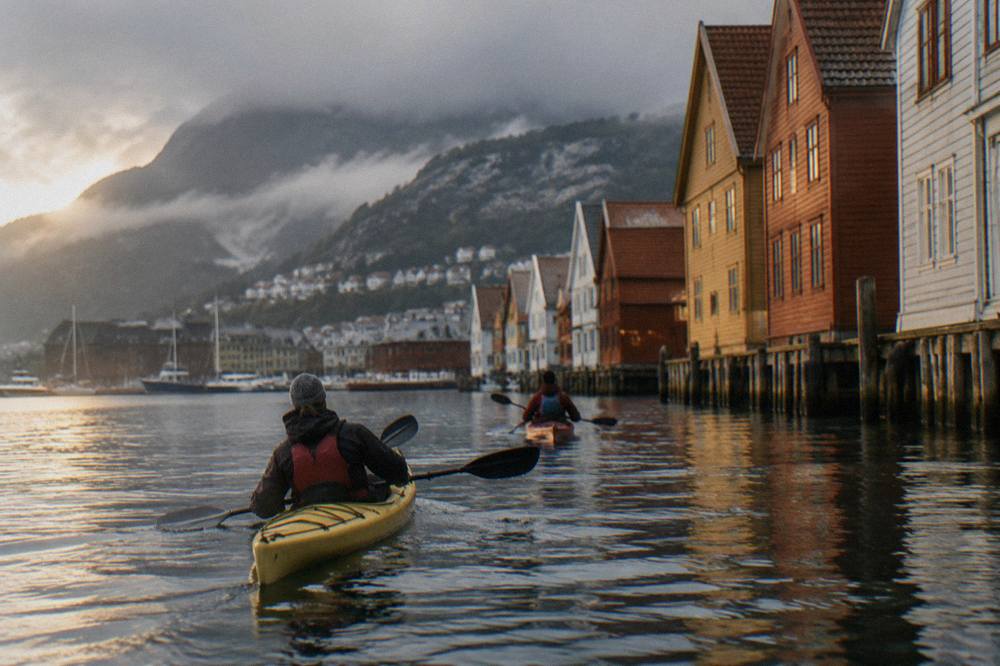
Water-based Bergen also belongs in this section, because the museum district and the harbour share a shoreline. Kayaking gives the wooden waterfront back to you from the water, and a guided paddle is one of the more distinctive ways to see the same geography the museum's residents worked from.
Which Tours Pair Well With The Old Bergen Museum?
The tours that pair best with the Old Bergen Museum are the small-group city walking tours, which extend the museum's street-level history into the living city, and the food and culture walks, which do the same for the town's kitchens; in summer, add a fjord cruise as the counterweight to a morning of timber and interiors. The right choice depends on whether the rest of your day belongs to guides, to flavours, or to open water, and Bergen has strong options for all three.
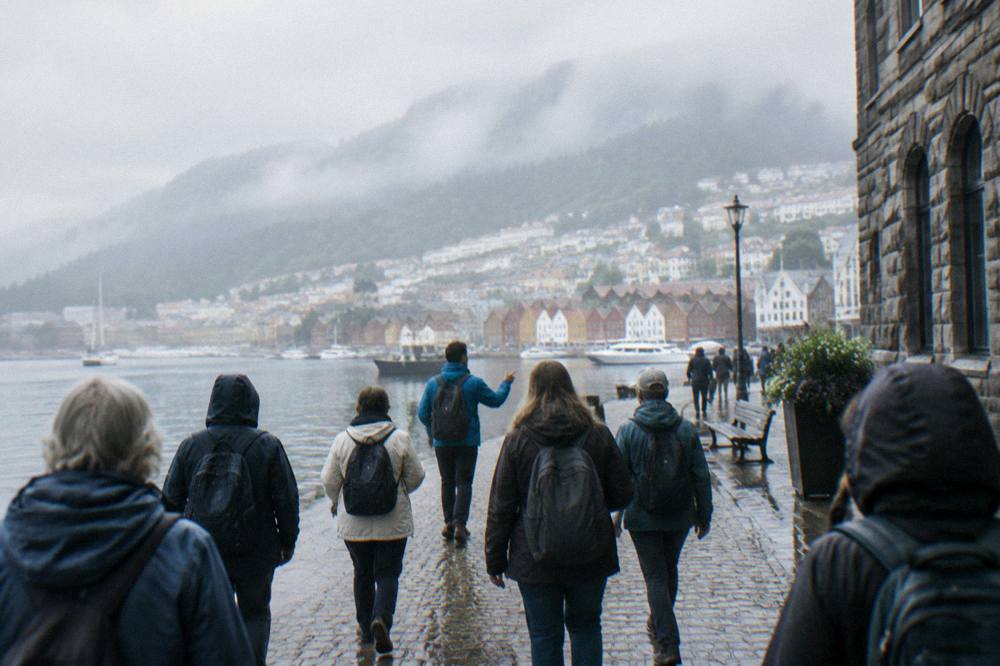
The walking-tour logic is simple: the museum explains the streets, and a guide then walks you through their survivors. The small-group tours of the centre carry the same story forward into the modern city, and the two experiences reinforce each other in a way a gallery and a gallery do not.
Food is the other natural pairing. Bergen's food identity, fish, cured meat, baked goods and the harbour trade that brought all of it ashore, is a direct product of the town the museum preserves, and a culture walk that stops at producers makes that connection edible. This site's featured pairing for the museum is the food and culture walk below, and it is the one to book if your museum morning ends at lunchtime.
The evening and water options complete the set. Bergen's two mountains, Ulriken and Fløyen, both carry cable-hauled access, and a night tour that includes both is the maximal version; the round-trip Ulriken ticket at 435 NOK adult is the cheaper way to take the higher mountain if a full tour does not fit the budget. For water, the Mostraumen fjord cruise is the classic half-day excursion from the centre, and it makes the museum-to-fjord day this site recommends to anyone with only a short stay: timber in the morning, tidewater in the afternoon.
Here are the three pairings this site rates highest for a museum-centred day, chosen from the verified tour roster.
Whatever you book, book it around the museum rather than instead of it. The Old Bergen Museum is the one place in the city where Bergen's ordinary past is still standing at street level, and it is the quiet half of a day that could otherwise be spent shouting at fjords. For everything the wider region offers beyond the town, the Bergen Travel Guide homepage rounds up the full picture.
Common Questions About The Old Bergen Museum
What is the Old Bergen Museum in Bergen, Norway?
It is an open-air museum in the Sandviken district of Bergen, Norway, made up of original wooden houses relocated from the town and rebuilt as a streetscape, with furnished period interiors covering town life across the Hanseatic era and the wooden-house years that followed. It complements the Hanseatic and Bryggen sites, which show the merchant and medieval town, by showing the domestic one.
How do I get to the Old Bergen Museum from the city centre?
By Skyss bus using a 51 NOK zone-A single ticket, or free with the Bergen Card, which covers all Skyss buses and the Bybanen light rail across Vestland county. Plan the exact connection with the Skyss travel planner, because this site does not print an unverified journey time, and note that 2026 saw Bybanen maintenance suspensions between Slettebakken and Byparken in summer and a one-direction closure at Nonneseter from February.
Does the Bergen Card cover the Old Bergen Museum?
The Bergen Card 2026 covers travel to the museum district on all Skyss buses and the light rail, and offers discounted entry at many city attractions, per the official flyer. The museum's own admission price and any Card discount specific to it remain unconfirmed, so check the current Bergen Card attraction list on the official visitor site before relying on it for entry.
Is the Old Bergen Museum good for children?
Yes, especially in the main season, when costumed interpreters and craft demonstrations turn the furnished houses into something closer to a living street than a gallery. Children who tire of display cases tend to engage with people actually working, and the outdoor lanes give restless legs room between rooms.
How long should I spend at the Old Bergen Museum?
Plan on two to three unhurried hours on site plus travel, and make it the morning anchor of a Sandviken-and-centre day. Allow more if craft demonstrations are running, less if visiting off-season when fewer interiors are dressed, and check the museum's own listing for the current schedule, which this site does not print from unverified sources.
When is the best time of year to visit the Old Bergen Museum?
June through August, when the open-air elements and demonstrations run fullest. Met Norway's Bergen data shows July means around 14.9C in the trailing record with rain still frequent, so pack for both. Avoid late autumn if you dislike wet lanes: November was the wettest observed month in the trailing thirteen-month table at 321.8 mm.
The Old Bergen Museum is Bergen at domestic scale, timber rooms and gravel lanes instead of viewpoints and fjords, and it earns the half-day you give it.