Leprosy Museum Bergen
Bergen's Leprosy Museum preserves the wards, church and archives of St. Jorgen's Hospital, one of the oldest medical institutions in Northern Europe and the place where modern leprosy research began.
Short answer
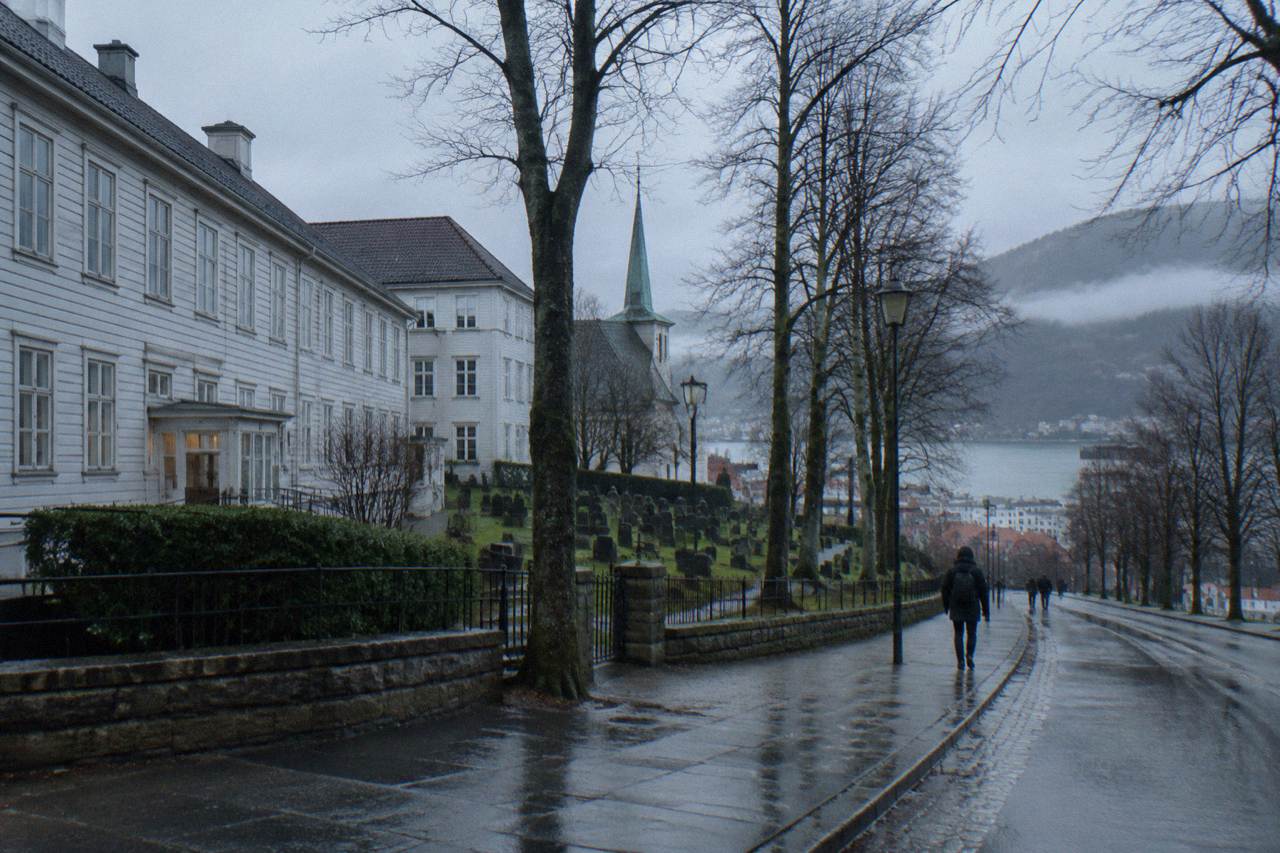
The Leprosy Museum sits in the historic St. Jorgen's Hospital buildings near the centre of Bergen, Norway, and tells the story of the patients who lived there and the Norwegian research that ended the disease in Europe.
Bergen, in Vestland county on Norway's southwestern coast, keeps its history in plain sight. The colourful Hanseatic wharf at Bryggen takes the photographs, but a short walk uphill sits a quieter landmark that most guidebooks underplay: the Leprosy Museum, inside the old St. Jorgen's Hospital. This is one of the oldest medical institutions in Northern Europe, and it is also where medicine first proved what leprosy actually was. No other museum in the city explains a stranger, more moving chapter of Norway's past, and no other city in the world holds this particular story quite the way Bergen does.
The museum is small by design. A visit does not consume a day. What it does is put the rest of Bergen in context: the same port that traded dried fish across Europe also became, centuries later, the world centre for understanding one of its most feared diseases. This guide covers what the museum holds, how to reach it, what a museum day in Bergen costs, and how to build a full itinerary around it.
What Is The Leprosy Museum In Bergen?
The Leprosy Museum is a history museum housed in the preserved wards, chapel and grounds of St. Jorgen's Hospital in Bergen, Norway, one of Northern Europe's oldest medical institutions. It shows the rooms where patients lived, the church they worshipped in and the archive of the Norwegian research that first identified the leprosy bacterium, turning a feared medieval disease into a scientifically understood and eventually treatable condition.
The museum is run as part of the city's public museum network, alongside institutions such as the Hanseatic Museum and the Bergen Maritime Museum. That placement matters. Leprosy in Norway was not a marginal curiosity; it was a national public-health problem that the young Norwegian state tackled with systematic record-keeping, and the resulting archives, patient registers and medical collections remain world-historic documents.
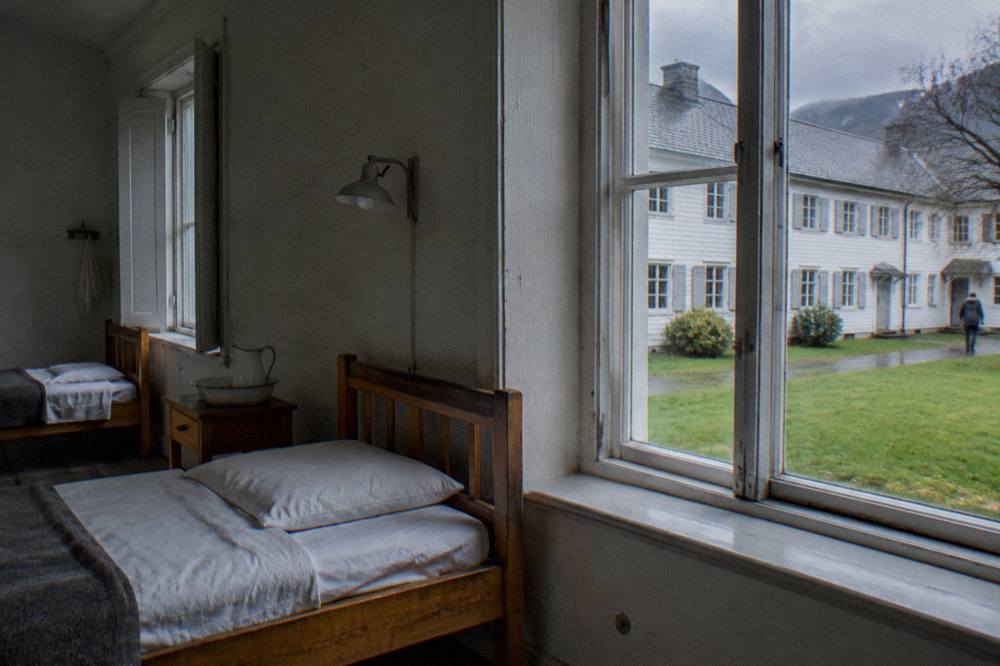
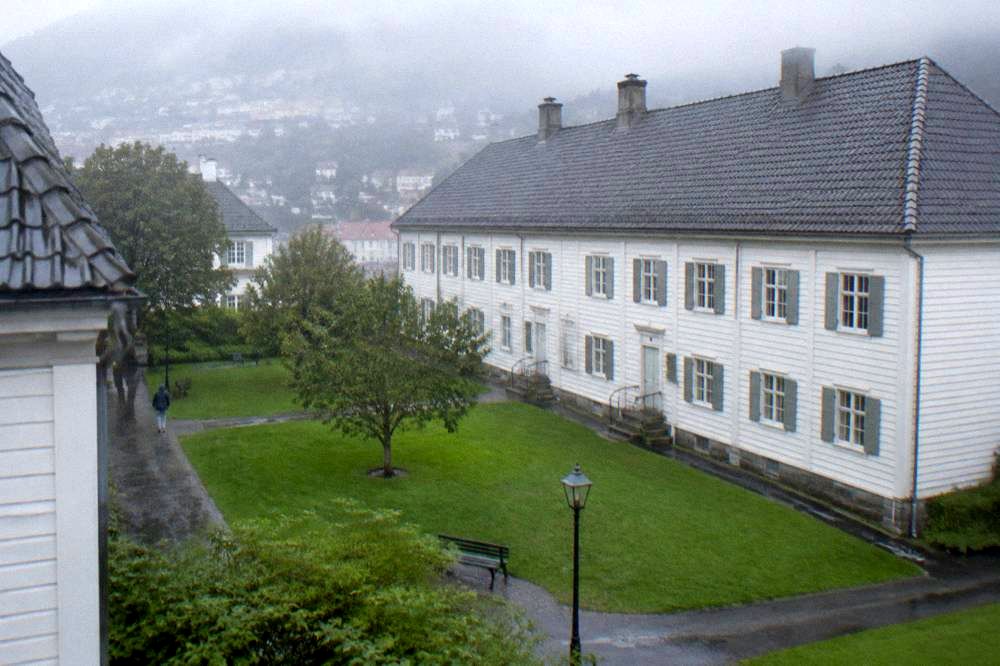
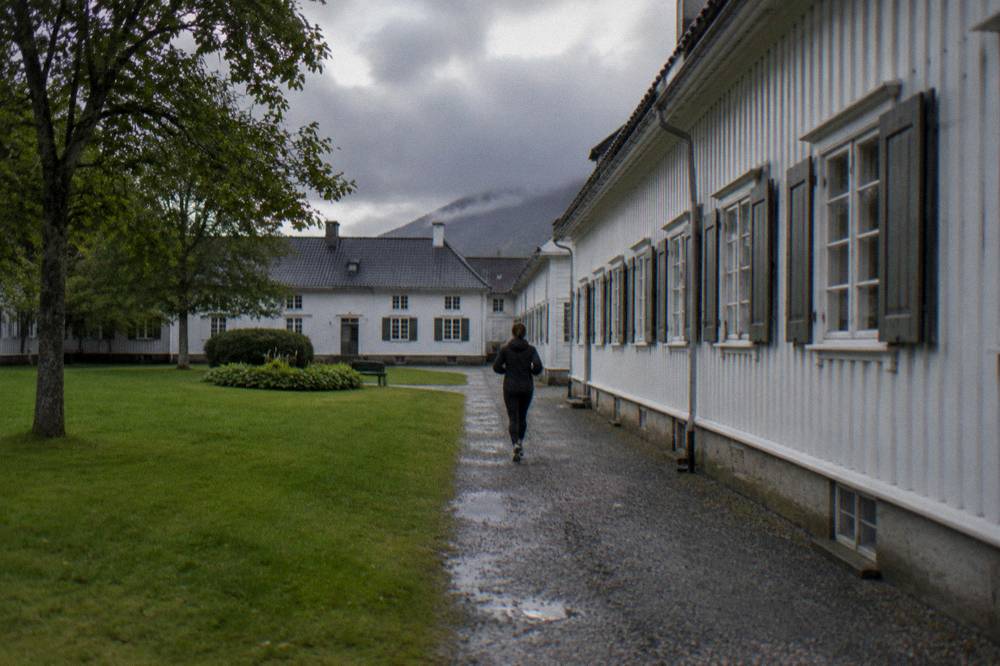
St. Jorgen's itself is the reason the museum feels different from a conventional exhibition. The buildings are original, the wards are furnished as they were, and the story is told in the same rooms where it happened. Visitors move through a hospital rather than around display cases, and the hospital church, with its own distinct atmosphere, is one of the most quietly affecting interiors in the city.
What surprises most foreign visitors is the national frame. Norwegian physicians became the leading leprosy researchers of their era, and Bergen was the centre of that work, with the city's hospitals and registries forming the evidence base. The museum explains how a small coastal country built the patient records that underpinned the science, and why the Bergen archive is still consulted by researchers today.
Where Is St. Jorgen's Hospital And How Do You Reach It From Central Bergen?
St. Jorgen's Hospital stands just uphill from Bergen city centre, a short walk from the fish market, the cathedral and Bryggen, on the slope between the main shopping streets and the old hospital district of Nordnes. A single Skyss zone A ticket costs 51 NOK, the Bybanen light rail runs through the centre, and both buses and the light rail are free with a Bergen Card, so the museum needs no car and no tour transfer.
The practical point for planning is that everything historic in central Bergen sits within a compact rectangle. The museum belongs to the same walkable cluster as the Bergen Cathedral, St. Mary's Church and the wharf. You do not schedule a trip to the Leprosy Museum; you fold it into a morning in the centre, and the terrain is steep enough in places that sensible shoes matter more than transport.
| Option | Cost | Notes |
|---|---|---|
| On foot from the fish market | Free | Uphill sections; steepest lanes are cobbled |
| Skyss bus, zone A single | 51 NOK | Covers central Bergen stops |
| Bybanen light rail | Free with Bergen Card | Runs through the city centre |
| Bergen Card 24h | 400 NOK adult, 100 NOK child (3-15) | Includes Skyss buses and Bybanen |
One detail the freshest transport notices add: the Bybanen timetable valid from 10 August 2026 covers lines 1 and 2 on their current routes, including the airport line, with summer maintenance on parts of line 1 during late June and July 2026. None of that touches the museum district, which is best reached on foot anyway, but it is worth knowing if you are stringing the visit together with sights further out.
How Much Does A Bergen Museum Day Cost?
A 24-hour Bergen Card costs 400 NOK for an adult and 100 NOK for a child aged 3 to 15, with 48, 72 and 96-hour versions priced at 500, 600 and 700 NOK for adults, and the card covers travel on Skyss buses and the Bybanen light rail across Vestland county, including the airport line, plus free or discounted entry to most of the city's museums, per the official 2026 Bergen Card flyer.
The card is the anchor of any museum-heavy day in Bergen because the city's historic institutions are scattered enough that transport and admission together add up quickly. The flyer published by visitbergen.com on 12 May 2026 is the current authority on what the card includes, and it lists exact prices for more than twenty attractions, several of which sit within walking distance of the Leprosy Museum.
| Bergen Card (2026 flyer) | Adult | Child (3-15) |
|---|---|---|
| 24 hours | 400 NOK | 100 NOK |
| 48 hours | 500 NOK | 125 NOK |
| 72 hours | 600 NOK | 150 NOK |
| 96 hours | 700 NOK | 175 NOK |
For admission and opening hours at the Leprosy Museum itself, the museum's own current listing is the authority; rely on that rather than a round number from a forum post. What the sources do confirm is the price structure of everything around it, which is usually the bigger part of the budget.
For context, here is what the same 2026 flyer lists for the neighbouring history museums, all within the same walkable core of Bergen:
| Attraction | Ordinary price (2026 flyer) |
|---|---|
| Haakon's Hall | 120 NOK |
| Hanseatic Museum (with guided visit) | 160 NOK |
| Bryggen Museum | 170 NOK ordinary, 85 NOK with Bergen Card |
| KODE Art Museums | 200 NOK as listed on the Bergen Card flyer (the museum's own standalone price was not independently verifiable) |
The card pays off fastest when you stack a museum morning with a mountain afternoon. Fløibanen lists a 200 NOK adult return between April and September, dropping to 145 NOK from October to March, while Ulriken643 lists 435 NOK for an adult return, both figures from the same flyer. A day that pairs the Leprosy Museum with a ride up either mountain is the classic Bergen combination, and the card discounts apply to both.
What Will You Actually See Inside The Leprosy Museum?
Inside the museum you walk through original hospital wards with their beds and furnishings, the hospital church, the kitchen and staff areas, and exhibition rooms built around the Bergen patient registers and the work of the Norwegian physician who first identified the leprosy bacterium, so the visit is a sequence of preserved rooms and archive-based storytelling rather than a gallery of objects behind glass.
The wards are the emotional core. They are spare, deliberately so, and the museum has kept the fabric of the building intact, which means low ceilings, wooden floors and the smells of old timber and stone. The exhibition text places each room in the life of the hospital: who slept here, who cooked, who prayed, who recorded.
The church deserves its own paragraph. Hospital chapels in this period were working buildings, used every day by residents who would live and die inside the institution, and the atmosphere of the space communicates that better than any panel could. Many visitors report that the church and the memorial to the patients who lived at St. Jorgen's are what they remember a year later.
The research story is the intellectual core. Bergen became the centre of Norwegian leprosy science because the state ordered systematic registration of patients, producing a depth of clinical records unmatched anywhere else at the time. The museum displays how that bureaucracy became evidence, and how evidence became the discovery of the bacterium that causes the disease. That discovery, made in Bergen, is why the city's name appears in every history of bacteriology.
A guided walk of the city centre pairs naturally with the museum visit, since the same lanes connect St. Jorgen's to the wharf, the fortress and the fish market, and a guide can trace the city's growth from Hanseatic trading post to modern municipality. Bergen kommune counts 294,860 residents as of 1 January 2026, and the layers of that growth, medieval, Hanseatic, industrial, are all readable in a couple of hours of walking.
Why Is Bergen Central To The History Of Leprosy Research?
Bergen is central to leprosy research because Norway built the world's most complete national patient registration system, concentrated its specialist hospitals here, and it was in Bergen that a Norwegian physician demonstrated the bacterial cause of leprosy, decades before most of the world accepted the disease was infectious, which turned Norway's archives into the primary evidence base for the global understanding of the illness.
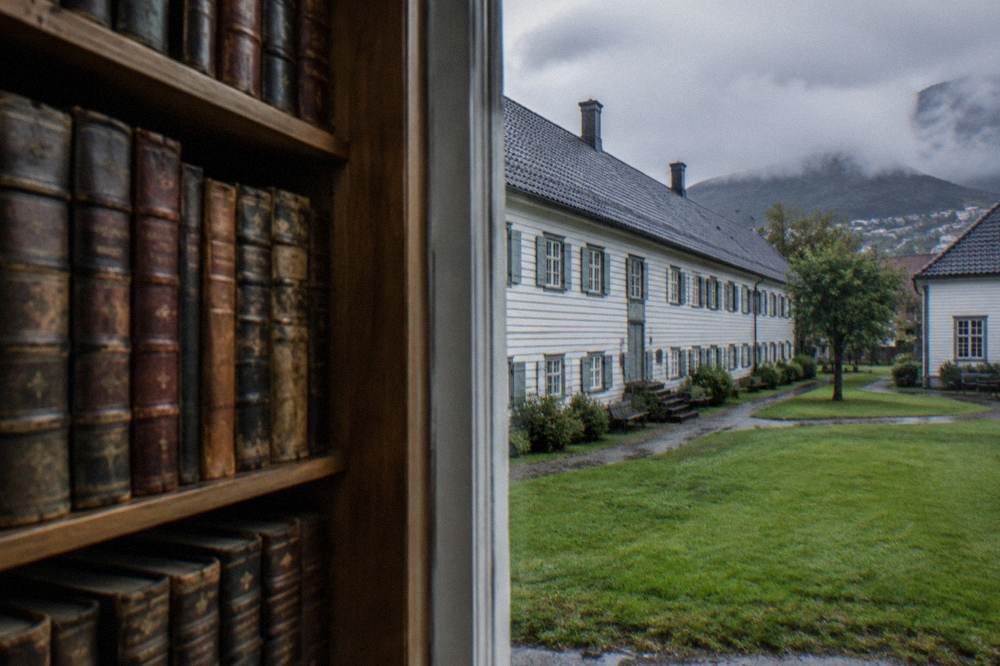
The insight the museum delivers, and one that a first page of search results rarely makes clear, is that the breakthrough depended on paperwork as much as on a microscope. Registration, residence records and death certificates created a dataset that let researchers track the disease across families, farms and decades. Bergen's hospitals were not just places of care; they were data collection points for a national programme, and that is why the archive remains scientifically valuable long after the wards closed. Other pages covering the same trip are gathered on Bergen Travel Guide.
That is also why the museum belongs alongside the city's other institutions rather than being treated as a curiosity. The Bryggen Museum shows the medieval trading city, the Hanseatic Museum shows the merchant elite, and the Leprosy Museum shows the other end of the same society: the poor, the sick and the bureaucratic state that counted them. Between them, you get a full social history of Bergen rather than a postcard version.
How Does The Leprosy Museum Compare With Bergen's Other History Museums?
The Leprosy Museum is the most intimate and the most emotionally direct of Bergen's history museums, showing one institution and its patients in their own rooms, whereas the Hanseatic Museum covers the merchant city, the Maritime Museum covers Norway's relationship with the sea, and the Old Bergen Museum and University Museum cover domestic life and natural science, so the leprosy collection stands apart by scale and subject rather than by price or prestige.
The comparison matters for planning because a Bergen stay can fit three or four museums, not all of them. If your interest is how ordinary people lived, the Leprosy Museum and the Old Bergen Museum make the strongest pairing, one showing the city's sick and institutionalised residents, the other its houses and interiors. If your interest is science and collections, the University Museum of Bergen is the natural companion, since the same institution that systematised Norwegian natural science also administered much of the medical archive era.
| Museum | Theme | Best pairing |
|---|---|---|
| Leprosy Museum (St. Jorgen's) | Medicine, patients, institutional life | University Museum of Bergen |
| Hanseatic Museum | Merchant trade, Bryggen's elite | Bryggen Museum |
| Bryggen Museum | Medieval excavations of the wharf | Hanseatic Museum |
| Old Bergen Museum | Historic houses and domestic interiors | Leprosy Museum |
| Bergen Maritime Museum | Seafaring, shipping and fishing | Norwegian Fisheries Museum |
One honest note on pacing: the Leprosy Museum is not a half-day attraction. Visitors who arrive expecting a full afternoon tend to leave moved but quickly, which is actually an advantage, because it leaves room in the day for the fish market, the aquarium or a mountain ride. Treat it as a 45-to-90-minute experience and let the rest of the day breathe around it.
What Else Is Within Walking Distance Of The Leprosy Museum?
Within a short uphill-and-downhill walk of the Leprosy Museum you can reach Bryggen's Hanseatic wharf, the fish market, Bergen Cathedral, St. Mary's Church, the Bergenhus fortress with Haakon's Hall, the aquarium at Nordnes and the Fløibanen funicular station, so a single morning covers a museum, a UNESCO-listed wharf and a mountain viewpoint without any transport beyond your own feet.
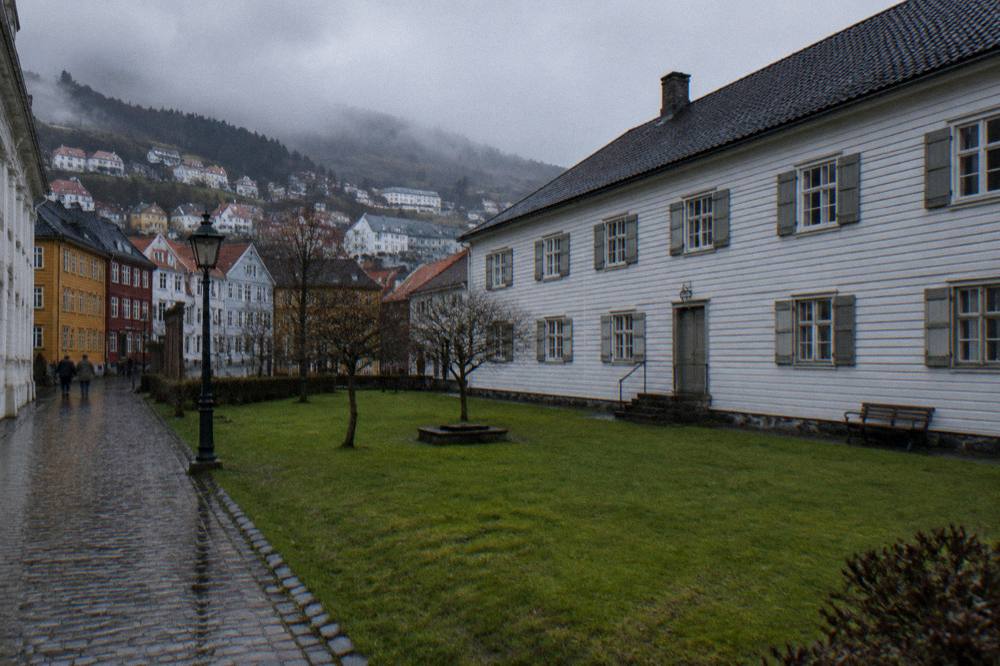
That density is Bergen's greatest practical asset. Bryggen was inscribed on the UNESCO World Heritage List in 1979, and the UNESCO listing itself notes that date, and the wharf sits minutes downhill from the hospital district. The route between them crosses the oldest street network in the city, past the cathedral and through the lanes of Nordnes, the peninsula that holds both the hospital site and the aquarium.
Two of the best neighbours deserve emphasis. The Bergen Aquarium lists ordinary adult admission of 380 NOK in winter and 380 to 415 NOK in the summer season on the 2026 flyer, making it one of the bigger family line items in the district. And the Fløibanen funicular carries you from the streets near the museum district to the top of Fløyen, with the adult return at 200 NOK from April to September and 145 NOK from October to March.
If museums fill the morning, the afternoon belongs on the water. The Mostraumen cruise runs the Osterfjord to a narrow tidal channel with waterfalls close enough to feel, and the guided version gives the fjord landscape a narrative alongside the city history you absorbed in the morning.
When Is The Best Time Of Year To Visit The Leprosy Museum?
The best time to visit is late spring through early autumn, when the walking route between the museum and the wharf is pleasant and the city's sights run full schedules, though the museum itself, being indoors, is also Bergen's ideal rainy-day sight, and the yr.no Bergen station table shows 217 days with precipitation across the trailing 13 months, which means rain cover is not optional planning, it is the baseline.
Bergen's climate is temperate oceanic, wetter than most of Norway, with monthly mean temperatures ranging from minus 1.4C in January 2026 to 14.9C in July 2026 on the official yr.no table. The monthly precipitation figures from that same source show why indoor attractions here are treated with such respect:
| Month (2026, observed) | Mean temp | Precipitation |
|---|---|---|
| January | -1.4C | 82 mm |
| April | 7.9C | 65.9 mm |
| June | 14.4C | 165.7 mm |
| July | 14.9C | 184.2 mm |
| August | 14.3C | 243.6 mm |
The standout figure in the trailing series is November 2025, which recorded 321.8 mm of precipitation against a 275.0 mm normal, and December followed with 303.5 mm. A museum-heavy itinerary is simply the correct answer to a Bergen November, and the Leprosy Museum, compact and intense, slots into a wet afternoon better than almost anything else in the city.
Seasonal festivals give the calendar another layer. The Bergen International Festival ran 27 May to 10 June 2026, Bergenfest ran 10 to 13 June at Bergenhus fortress, and the city's film festival is scheduled for 14 to 22 October 2026. If your trip overlaps one of them, a museum morning followed by an evening event is the pattern locals themselves follow.
| Event | 2026 dates |
|---|---|
| Bergen International Festival | 27 May to 10 June |
| Nattjazz (USF Verftet) | 29 May to 6 June |
| Bergenfest (Bergenhus Festning) | 10 to 13 June |
| Bergen International Film Festival | 14 to 22 October |
| Bergen Christmas Market (Festplassen) | 20 November to 22 December |
Winter has its own case. The Christmas market at Festplassen runs 20 November to 22 December 2026, and Pepperkakebyen, the gingerbread city, runs 14 November 2026 to 10 January 2027. A cold, dark December afternoon inside a candle-warm wooden hospital church is a Bergen experience that the summer crowds never get.
For travellers who want the water up close rather than through a window, a guided kayak tour leaves from the harbour area and gives the fjord-side of the city a perspective no museum can, paddling among the islands just off the centre.
How Do You Build A Full Day Around The Leprosy Museum?
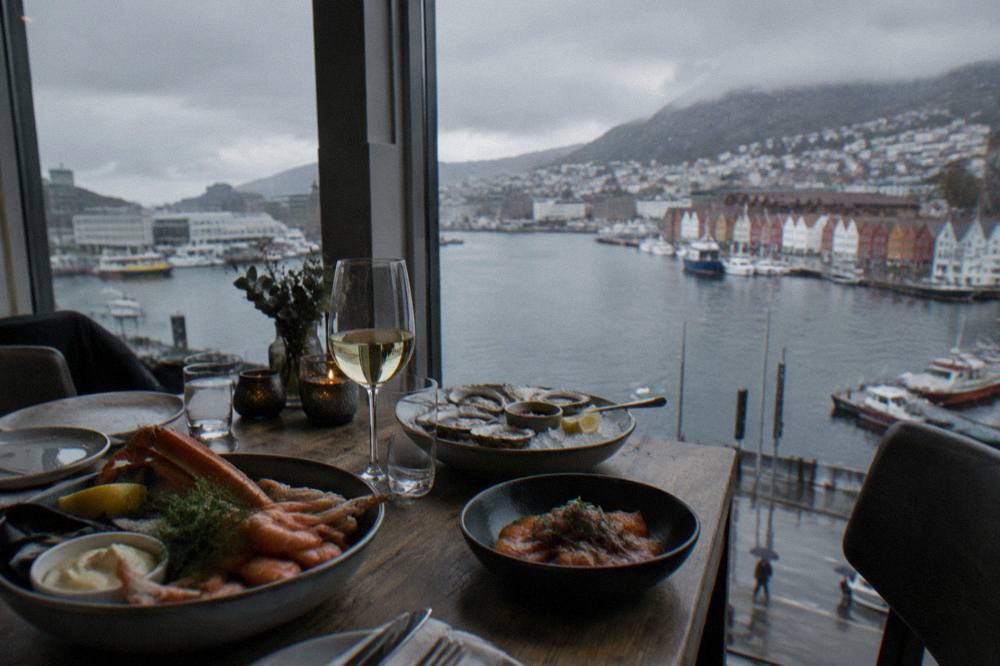
A strong museum day starts with the Leprosy Museum in the morning while energy and daylight are at their best, continues down through the cathedral and the fish market for lunch, spends the afternoon at either Fløibanen or Ulriken643 for the view, and finishes with a food walk or a harbour-side dinner, with the whole circuit walkable and every transport leg covered by a single 400 NOK 24-hour Bergen Card.
The order matters less than the geography. Everything listed sits inside the same half of the city centre, so the day is a loop rather than a series of trips. Morning light falls best on the wharf from the harbour side, and the funicular queue builds toward midday, which is the practical argument for doing the museum first.
If you have more than a day, the fjords are the obvious next step, and Bergen is the standard launch point for them. The full-day Sognefjord and Flåm trips leave early, so an intense museum day followed by an early night sets up the fjord day properly. Check availability for the food tour that pairs a funicular ride with the city's food scene, since it is a natural way to end a day that began with medical history: the same streets, told through taste instead of archives.
What Should You Know Before You Go To The Leprosy Museum?
Before you go, know three things: the museum is compact and best treated as part of a walking circuit rather than a standalone trip, the museum's own listing is the authority for current admission prices and opening hours, and the subject matter, illness, institutionalisation and death, is presented honestly, which makes it more suitable for adults and older children than for toddlers who need space to run.
Photography rules vary by room in wooden historic buildings, so assume restrictions inside the church and wards unless signage says otherwise. The terrain around the hospital district is steep and cobbled in places, which is worth factoring in for anyone with limited mobility; the main shopping streets nearby are flat, and the steepest lanes can be avoided with a small detour.
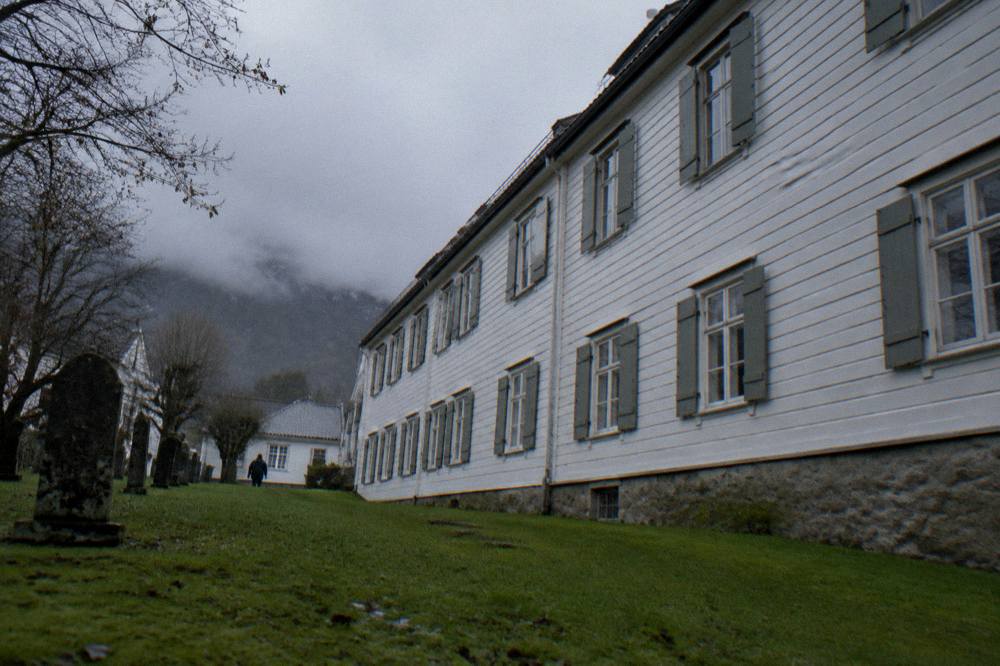
Finally, give the museum its due weight. Bergen is a city that sells its fjords first and its history second, and within that history the Leprosy Museum is the piece that visitors did not expect to be moved by. Between the Hanseatic wharf, the fortress, the mountains and the water, a hospital church on a quiet hillside is the sight that tells you what kind of city this really was, and the one you will still be thinking about on the flight home.
Common Questions About The Leprosy Museum In Bergen
What Is The Leprosy Museum In Bergen?
A history museum inside the preserved St. Jorgen's Hospital buildings in central Bergen, Norway, covering the patients who lived there and the Norwegian research, centred on Bergen, that first identified the cause of leprosy.
Where Is St. Jorgen's Hospital?
On the slope just above Bergen city centre, within a short walk of the fish market, the cathedral, Bryggen and the Nordnes peninsula, so no transport beyond your own feet is needed from the core of the city.
How Long Does A Visit Take?
A visit takes between 45 and 90 minutes in the wards, church and exhibition rooms, which is why it works so well folded into a larger walking circuit of central Bergen rather than as a standalone outing.
Is The Leprosy Museum Suitable For Children?
It suits adults, teenagers and older children who can engage with the subject matter. The presentation is honest about illness and institutional life, and the building is a quiet historic interior rather than a hands-on attraction.
Is The Museum Covered By The Bergen Card?
The Bergen Card covers free or discounted entry to most of the city's museums along with all Skyss buses and the Bybanen light rail, but the museum's own current listing is the authority on whether St. Jorgen's is included, so check it before you go.
When Is The Best Time To Visit?
Late spring through early autumn gives the pleasant walking route between the museum and the wharf, while the museum's indoor nature makes it Bergen's ideal rainy-day sight in a city whose station table shows 217 days with precipitation over the trailing 13 months.
A morning at St. Jorgen's, an afternoon on a mountain, and an evening in the fish-market quarter is Bergen compressed into one day, and the Leprosy Museum is the piece of that loop that makes the other pieces mean more.