Bryggens Museum
Bryggens Museum in Bergen stands directly above the excavated medieval wharf at Bryggen, a UNESCO World Heritage site since 1979. This guide covers prices from the official Bergen Card flyer, the card's saving, and how to build a full Hanseatic day around it.
Short answer
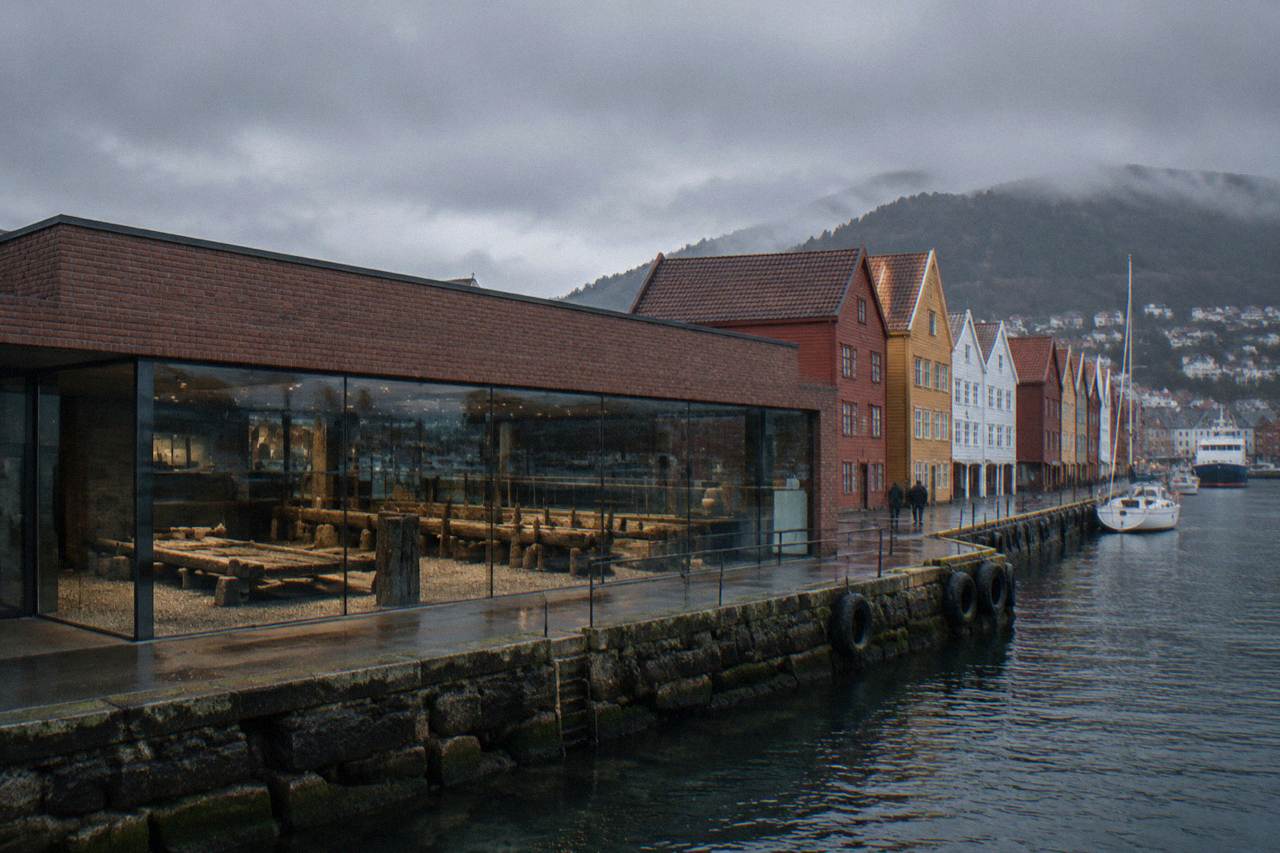
Bryggens Museum in Bergen, Norway, costs 170 NOK for an adult, or 85 NOK with the Bergen Card, per the official 2026 flyer. It sits at the head of Bryggen, the Hanseatic wharf UNESCO inscribed in 1979, and displays the excavated foundations and everyday finds of the medieval trading town.
Bryggens Museum in Bergen, on the southwestern coast of Norway in Vestland county, occupies the one piece of ground in the city where the medieval Hanseatic port can still be read layer by layer. The museum stands at the head of Bryggen, the Hanseatic wharf that UNESCO's own listing says was inscribed on the World Heritage List in 1979, and it was raised directly above the excavated foundations of the warehouses and workshops that stood there long before the colourful timber buildings visitors photograph today. The Bergen Card's own 2026 flyer lists the museum at 170 NOK ordinary admission and 85 NOK with the card, which says a good deal about how the site sits in the city's visitor offer: a serious archaeology museum standing on its own evidence.
That evidence is the reason the museum exists at all. When fire tore through part of Bryggen's wooden buildings, the cleared ground became the largest archaeological excavation the city had seen, and the museum was then constructed over the exposed ruins so the wharf's earliest chapters could stay in place rather than be boxed up in a storage depot. Everything in this guide, from prices to climate figures, comes from primary sources, and figures that stand on their own are the only ones included.
What Is Bryggens Museum In Bergen, Norway?
Bryggens Museum is the archaeology museum at the foot of the Hanseatic wharf at Bryggen in Bergen, on Norway's southwestern coast, built directly above the excavated foundations of the medieval trading town. UNESCO's own listing records that Bryggen joined the World Heritage List in 1979, and the museum exists to explain what stood on that ground before the colourful warehouses visitors photograph today.
The wharf it interprets is not a museum piece frozen in one era. Bryggen was the working heart of a Hanseatic trading post, a league of German merchants who ran dried fish and grain through Bergen for centuries, and the wooden rows you see today are late survivors of a district that burned and was rebuilt again and again. Each rebuild left its footprint in the waterlogged ground, and waterlogged ground is kind to organic material. Timber, leather, textiles, bone and even wood carved with runes survived where they would have rotted away in a drier city.
That is the quiet advantage Bergen holds over most medieval museum collections. The displays inside Bryggens Museum are not mostly stone and metal, the usual survivors elsewhere; they include the ordinary, perishable stuff of daily trade life, recovered from the very spot where it was used. The museum therefore answers a question that is only half asked: what did a working Hanseatic dock actually look and feel like when it was a place of business rather than a postcard?
It is worth being clear about what the museum is not, too. It is not the Hanseatic Museum, the furnished merchant trading post a short stroll along the wharf, which the Bergen Card flyer prices at 160 NOK with a guided visit included. The two sights complement each other: Bryggens Museum shows the excavated ground and the finds, while the Hanseatic Museum shows the furnished rooms of a trading "office" from the league's later period. Doing both, plus the wharf itself, is the fullest Hanseatic circuit the city offers.
What Will You See Inside Bryggens Museum?
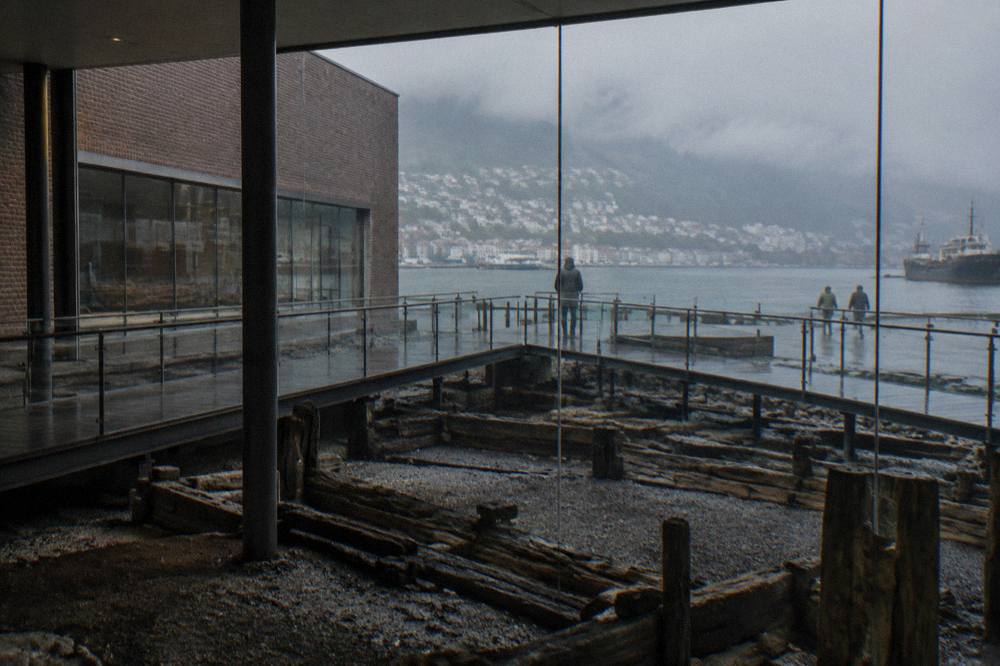
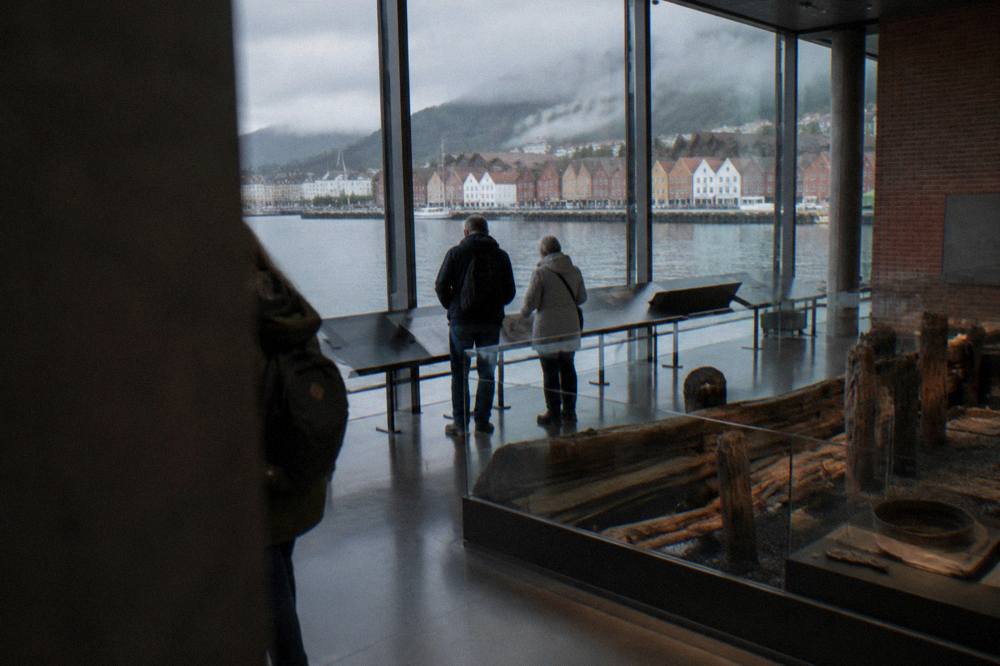
Inside Bryggens Museum you walk above and beside the in-situ remains of medieval Bryggen: rows of building foundations, wharf timbers and the everyday objects the excavations recovered, from trade goods and tools to carved bone and wood with runic inscriptions. The permanent display is arranged around the excavated structures themselves, so the ground is the exhibit, with finds grouped to explain trade, crafts and daily life on the Hanseatic wharf.
The first thing that strikes many visitors is the architecture of the museum shell. It is a modern, brick-clad building, deliberately low so it does not compete with the UNESCO-listed rows beside it, and its interior galleries leave the excavated foundations open to view rather than burying them under a floor. You are, quite literally, looking at the stratigraphy of the wharf.
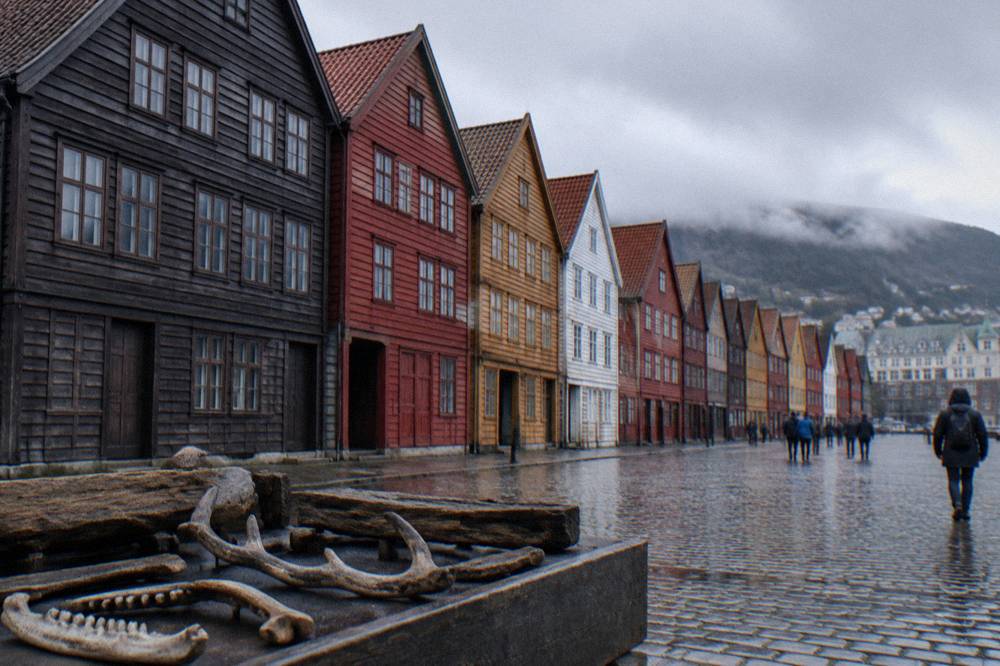
The finds tell the story of a commercial machine. Weights and scales, imported ceramics, combs, shoes, rope and ship fittings sketch out a port that moved dried fish north to Europe's markets and brought grain, cloth and manufactured goods back. The runic inscriptions recovered from the Bryggen ground are among the most celebrated pieces in the collection: short carved messages, many mundane, that record the everyday voice of the medieval town in a way official documents never do.
Alongside the permanent archaeology, the building also hosts temporary exhibitions on themes connected to Bergen's history and craft traditions, and a shop stocked with books on the wharf's archaeology. If your time is short, the core circuit, foundations plus the main find galleries, is the part no visitor should skip.
A museum morning also pairs naturally with a guided introduction to the city, and the roster of verified tours on this site includes several that begin within a few minutes' walk of Bryggen's rows. The options below are the ones this site's editors would weigh for a first visit built around the Hanseatic quarter.
How Much Does Bryggens Museum Cost, And Does The Bergen Card Cover It?
An adult ticket to Bryggens Museum in Bergen costs 170 NOK, and the Bergen Card brings that down to 85 NOK, according to the official 2026 Bergen Card flyer published by visitbergen.com. The same flyer prices the Hanseatic Museum at 160 NOK with a guided visit and Haakon's Hall at 120 NOK, so the whole Hanseatic cluster can be toured for a controlled, fully verifiable budget.
The card math deserves a moment, because the museum is one of the cleanest demonstrations of it in the city. A 24-hour Bergen Card costs 400 NOK for an adult and 100 NOK for a child aged 3 to 15, per the flyer, and it includes free travel on Skyss buses and the Bybanen light rail across Vestland county, including the airport line, plus free or discounted entry to most of the major sights. Two museum entries at half price plus a day of transport can carry a card most of the way to paying for itself.
Here are the figures for the Hanseatic cluster, all from the same 2026 flyer:
| Sight | Adult price | Notes from the flyer |
|---|---|---|
| Bryggens Museum | 170 NOK | 85 NOK with the Bergen Card |
| Hanseatic Museum | 160 NOK | price includes a guided visit |
| Haakon's Hall | 120 NOK | stone hall inside Bergenhus Fortress |
And the full 2026 card range:
| Card length | Adult | Child (3-15) |
|---|---|---|
| 24 hours | 400 NOK | 100 NOK |
| 48 hours | 500 NOK | 125 NOK |
| 72 hours | 600 NOK | 150 NOK |
| 96 hours | 700 NOK | 175 NOK |
Prices for other attractions in the flyer are not independently verified, so only the three figures above are stated here. Nothing else on this page is a price you can hold the site to unless it appears in these tables or renders from a verified tour listing.
After the museum and the furnished trading post, there are still hours of daylight or, in winter, cosy interior light, left in the day. The rest of this guide is about how to spend them well around the same small corner of Bergen.
Which Hanseatic And Medieval Sights Sit Around Bryggens Museum In Bergen?
The sights closest to Bryggens Museum are the wharf rows of Bryggen themselves, the furnished Hanseatic Museum at the wharf's western end, the medieval stone halls of Bergenhus Fortress including Haakon's Hall, and St Mary's Church, Bergen's oldest surviving stone building. All sit within the same compact harbour-front quarter, so the cluster works as a single walking circuit rather than a list of separate trips.
Start at the museum, because its excavated foundations reframe everything you look at afterwards. Then walk the length of Bryggen's gabled rows, ducking into the covered passageways the merchants used as working alleys. The Hanseatic Museum, 160 NOK with a guided visit per the flyer, is the natural second stop: same league, same district, but furnished rooms and a guide instead of ruins and display cases.
From the wharf, the fortress grounds of Bergenhus run along the harbour. Haakon's Hall, a royal feast hall from the medieval Norwegian monarchy, prices at 120 NOK in the same flyer, and it makes a telling contrast with the German merchants' premises: stone royal power versus timber league commerce, a few hundred metres apart. St Mary's Church, which sits just behind the wharf between the two commercial worlds, rounds out the medieval circuit for visitors with an extra hour.
Visitors who want the district explained rather than just seen have a third option besides the two museums: a guided walk. The morning walking tour is timed so a museum afternoon follows it naturally, and its listing carries current availability and pricing.
If your day stretches longer, the old town at Gamle Bergen and the collections of the Bergen Maritime Museum extend the same historical thread across the city, the first as a recreated wooden town, the second through the ships and seafaring that made the port rich.
When Is The Best Time To Visit Bryggens Museum In Bergen?
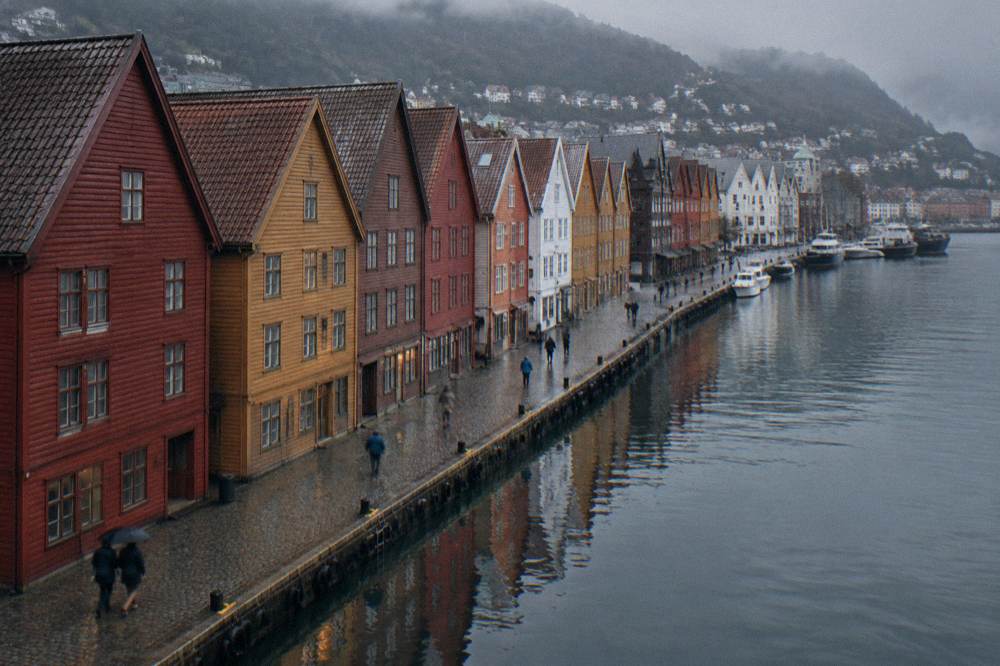
The best time to visit Bryggens Museum is whenever Bergen's famous rain arrives, which is often: yr.no's Bergen station table shows 217 days with precipitation across the trailing 13 months, with monthly rainfall running from 82 mm in January 2026 to 321.8 mm in November 2025. The museum is equally rewarding in any season, but it earns its keep as the city's best wet-weather anchor, and summer crowds at Bryggen make a museum-first morning the calmer plan.
The climate here is temperate oceanic, wetter than most of Norway, and the verified monthly figures from Met Norway's station table, fetched directly from yr.no, tell the practical story:
| Month | Mean temperature | Precipitation |
|---|---|---|
| September | 13.1 C | 206.6 mm |
| October | 9.7 C | 231.9 mm |
| November | 6.0 C | 321.8 mm |
| December | 5.8 C | 303.5 mm |
| January | -1.4 C | 82.0 mm |
| February | 0.8 C | 133.4 mm |
| March | 5.9 C | 243.9 mm |
| April | 7.9 C | 65.9 mm |
| May | 9.9 C | 127.4 mm |
| June | 14.4 C | 165.7 mm |
| July | 14.9 C | 184.2 mm |
| August | 14.3 C | 243.6 mm |
Read that table as a planning tool rather than a forecast. April was the driest recent month at 65.9 mm and July the warmest at a mean of 14.9 C, while late autumn delivered the heaviest rainfall. Note the same table's extremes for the trailing period: a high of 28.0 C and a low of -11.3 C. The takeaway for a museum-centred itinerary is that no month in Bergen is reliably dry, so the wharf walk, the museum interior and the fortress halls should be sequenced in that order of weather dependence.
For visitors who like to anchor a trip to the city's calendar, the festival dates verified from the official festival sites are worth a look:
| Event | Dates | Where |
|---|---|---|
| Bergen International Festival | 27 May to 10 June | venues across the city |
| Nattjazz | 29 May to 6 June | USF Verftet |
| Bergen Pride | 29 May to 6 June | Pride Park in Nygardsparken, parade on 6 June |
| Bergenfest | 10 to 13 June | Bergenhus Festning |
| Bergen Matfestival | early September | central venues |
| Bergen International Film Festival | 14 to 22 October | cinemas across the city |
A museum visit during the festival fortnight in late May and early June means the wharf is at its liveliest, though you will share Bryggen with bigger crowds than at any other point in the calendar.
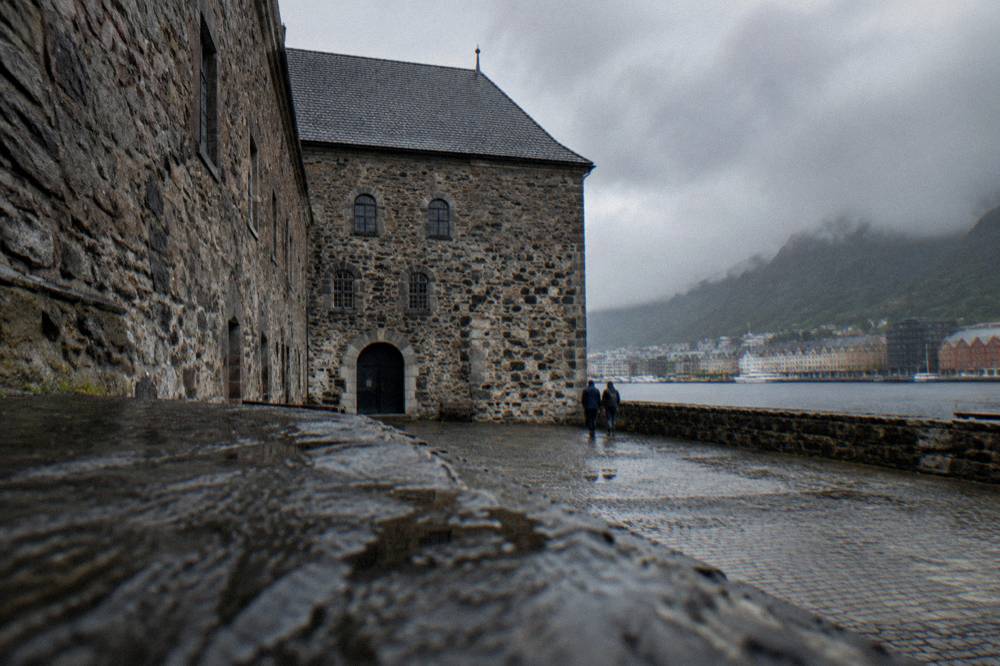
How Does Bryggens Museum Fit Into A Rainy Day In Bergen?
Bryggens Museum is arguably Bergen's best rainy-day anchor: it is indoors, it sits at the driest possible point of a wet walk because the wharf begins at its doorstep, and it costs 85 NOK with the Bergen Card, leaving budget for a second indoor stop such as the Hanseatic Museum at 160 NOK or the KODE art museums, which the same 2026 flyer prices at 200 NOK under the card's own arrangement.
The city's wet reputation is earned. With 217 days of precipitation in the trailing 13 months, a rained-out half day in Bergen is not bad luck, it is the base case, and the sensible itinerary plans indoors first and outdoor views as a bonus. The Hanseatic quarter is the ideal wet-weather cluster precisely because its three main stops, Bryggens Museum, the Hanseatic Museum and Haakon's Hall, are all interior experiences strung along a short, sheltered stretch of harbour.
When the clouds lift, the classic reward is altitude. The verified viewpoint prices are these:
| Item | Verified price | Season or note |
|---|---|---|
| Fløibanen return, adult | 200 NOK | 1 April to 30 September |
| Fløibanen return, adult | 145 NOK | 1 October to 31 March |
| Ulriken643 return, adult | 435 NOK | listed on ulriken643.no |
| Skyss single ticket, zone A | 51 NOK | buses and Bybanen; free with the Bergen Card |
For context on the city you will be looking down at, a few verified numbers frame the place:
| Figure | Value | Source |
|---|---|---|
| Population of Bergen kommune | 294,860 | kommune's own page, 1 January 2026 |
| Bryggen's UNESCO inscription | 1979 | UNESCO's listing |
| Days with precipitation, trailing 13 months | 217 | yr.no Bergen station table |
| Warmest observed monthly mean | 14.9 C, July 2026 | yr.no Bergen station table |
| Coldest observed monthly mean | -1.4 C, January 2026 | yr.no Bergen station table |
A rainy afternoon also suits a longer guided format. The small-group Past and Present walking tour keeps the pace gentle and the storytelling constant, and its listing shows current dates and pricing.
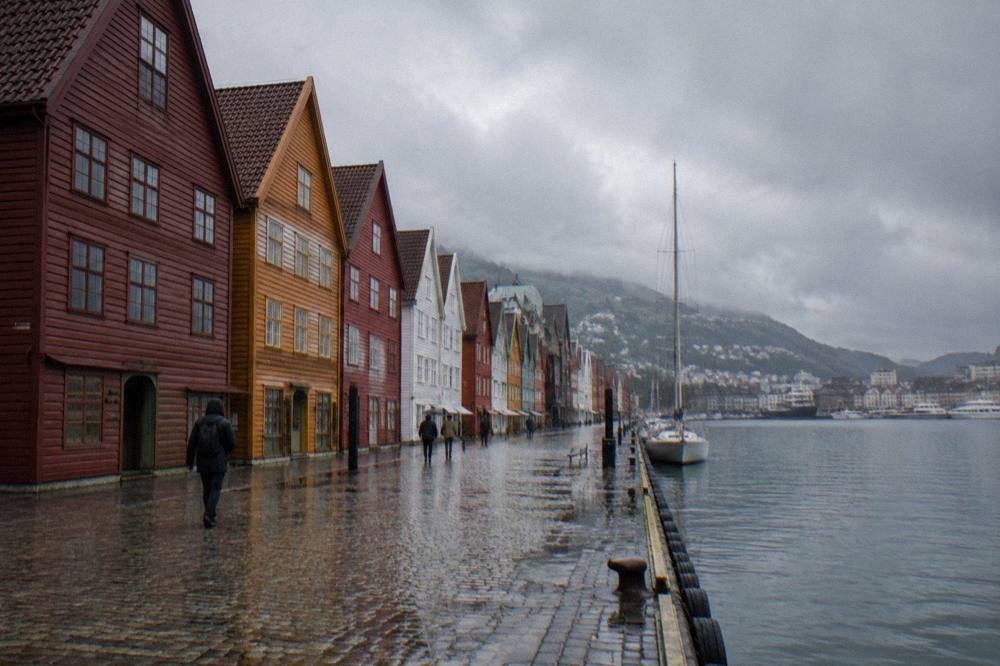
How Do You Pair Bryggens Museum With Bergen Food And Walking Tours?
Bryggens Museum pairs best with a food and walking tour when you put the museum first and the tour second: the wharf's history lands better on a full stomach and a tired pair of legs, and the museum's 170 NOK entry, 85 NOK with the Bergen Card, sits comfortably alongside a half-day guided experience. The featured pick for that pairing on this site is a three-hour guided walk whose listing carries live pricing and availability.
The logic of museum-then-tour is simple. Bryggens Museum gives you the chronological spine of the district, the fires, the excavations, the league, the trade goods. A guided walk then walks you over the top of it, pointing at the surviving rows and telling you which parts belong to which era. Food tours add the final layer: Bergen's eating culture, from the fish market on the harbour to the small kitchens of the old town, is a direct descendant of the port trade the museum documents.
The Food and Culture Walk, this site's featured pairing, fits that brief exactly, moving between the historic centre and the city's food stops with a guide who frames both. Because product figures are only ever rendered from verified listings on this site, the current price and rating appear on the tour's own page and its live listing rather than in this paragraph. You can check both directly: Check availability.
For a fuller food day with a viewpoint built in, the food tour with the Fløibanen funicular ride combines tastings with the classic ride up the mountain, and its listing carries the live price and rating. Note the funicular's own ticket economics, 200 NOK adult return in the April-to-September window and 145 NOK from October to March, per the Bergen Card flyer, because that is the transport element the tour bundles.
Whichever order you choose, leave the museum until you have at least an unhurried ninety minutes for it. The foundations deserve slow looking, and the runic finds repay the attention of anyone who has just walked the alleys where they were carved.
If you are building the whole day yourself, the sequence this site's editors would run is: morning walking tour of the centre, Bryggens Museum before or after lunch depending on the sky, the Hanseatic Museum in mid afternoon, the fortress grounds as the weather allows, and dinner somewhere in the old town. Add the funicular or the Ulriken643 cable car only if the clouds break; at 435 NOK for an adult return, the Ulriken ticket is an investment best made with a view actually on offer.
These are the three experiences this site most often stacks with a Bryggens Museum visit:

Common Questions About Bryggens Museum
How Much Does Bryggens Museum Cost, And Does The Bergen Card Cover It?
An adult ticket costs 170 NOK, and the Bergen Card brings it to 85 NOK, per the official Bergen Card flyer. The card itself runs 400 NOK for 24 hours up to 700 NOK for 96 hours for an adult, and includes free Skyss and Bybanen travel across Vestland county, including the airport line.
What Will You See Inside Bryggens Museum?
The in-situ excavated foundations of medieval Bryggen, displayed beneath and beside the galleries, plus the excavation finds: trade goods, tools, household objects and carved bone and wood with runic inscriptions. The ground itself is the core exhibit, with temporary exhibitions on related Bergen history alongside.
When Is The Best Time To Visit Bryggens Museum In Bergen?
Any time of year works, because the museum is indoors and the wharf outside changes character rather than closing. Driest recent months in the yr.no station table were April at 65.9 mm and January at 82.0 mm of rain; November was the wettest at 321.8 mm. Expect some rain whenever you come, and plan the museum as the anchor of a wet half day.
How Does Bryggens Museum Fit Into A Rainy Day In Bergen?
It is the natural first stop: indoors, at the head of the wharf, and cheap at 85 NOK with the Bergen Card. Pair it with the Hanseatic Museum at 160 NOK and Haakon's Hall at 120 NOK for a fully indoor Hanseatic circuit, then add a viewpoint ticket only if the sky clears.
Is Bryggens Museum The Same As The Hanseatic Museum In Bergen?
No. Bryggens Museum is the archaeology museum built over the excavated medieval wharf, priced at 170 NOK ordinary and 85 NOK with the Bergen Card. The Hanseatic Museum is the furnished merchant trading post along the wharf, priced at 160 NOK with a guided visit in the same flyer. They cover the same district from different angles and work best together.
How Long Should You Spend At Bryggens Museum?
Roughly an hour and a half at a comfortable pace, longer if a temporary exhibition catches you. Visitors who also want the Hanseatic Museum and the fortress halls should budget a half day for the full Hanseatic quarter, with the wharf walk between them.
Bryggens Museum rewards exactly the kind of visitor Bergen tends to produce: someone with a wet jacket, a spare morning and a curiosity about what sits under the postcard. Buy the card if the rest of your itinerary supports it, walk the rows after the ruins, and let the runes have the last word on a city that has been trading, burning and rebuilding on the same waterfront for the better part of a millennium.