Hanseatic Museum Bergen
The Hanseatic Museum in Bergen, Norway, preserves the trading rooms of the German merchants who ran Bryggen's wharf for centuries. Here is what to see, what it costs and how it fits into a day.
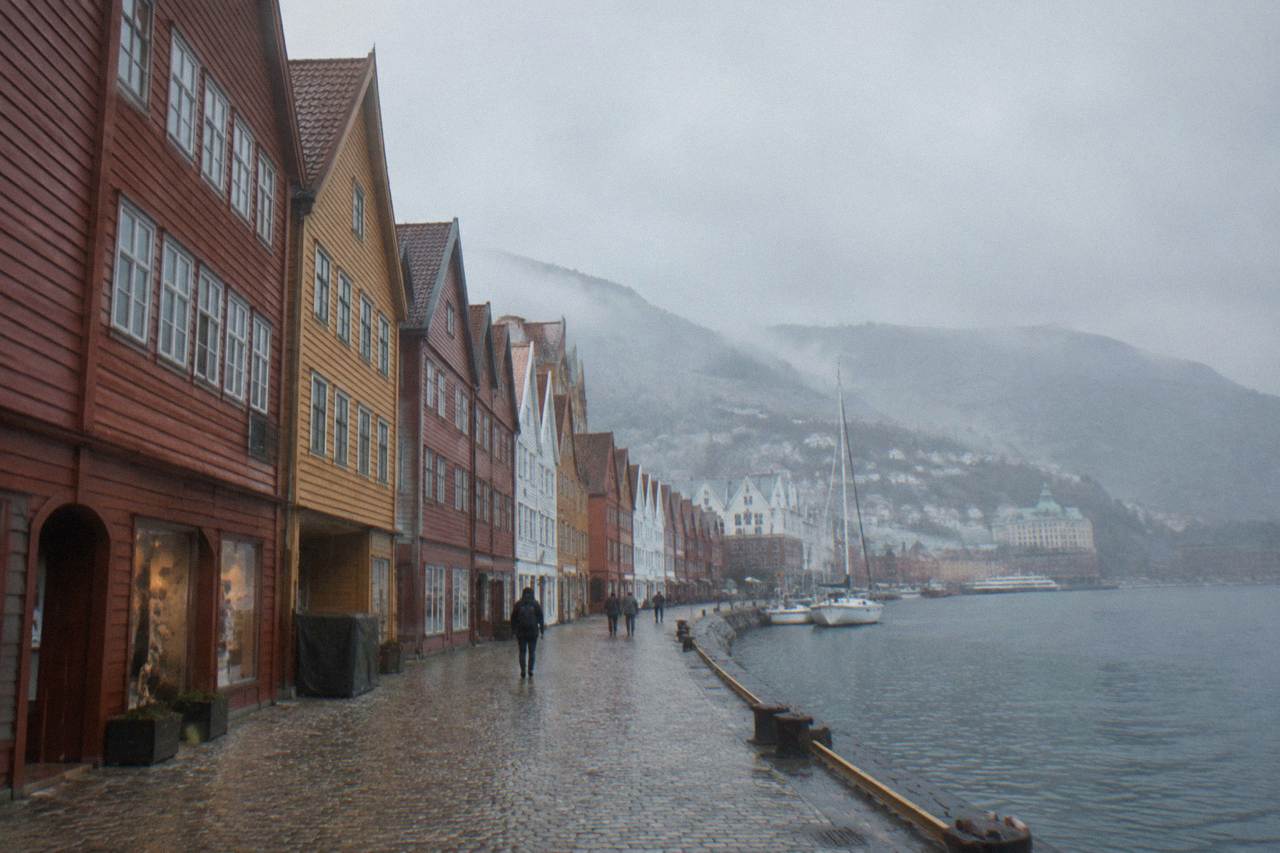
Short answer
The Hanseatic Museum occupies one of the oldest wooden buildings on Bryggen in Bergen, Norway, and shows how German Hanseatic merchants lived and traded for generations. Entry is NOK 160 with a guided visit per the 2026 Bergen Card flyer, and Bryggen itself has been a UNESCO World Heritage Site since 1979.
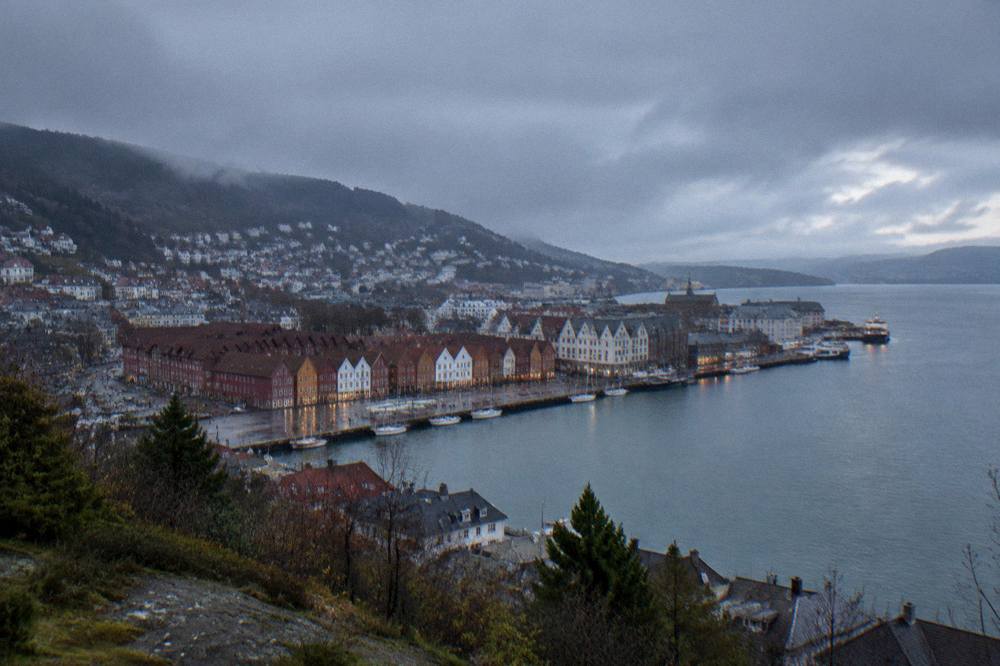
Bergen, on Norway's southwestern coast in Vestland county, grew rich as a Hanseatic League trading post, and the clearest surviving proof of that era stands on the Bryggen wharf today. The Hanseatic Museum, set inside one of the oldest wooden buildings on the wharf, preserves the counting rooms, warehouses and cramped sleeping quarters of the German merchants who dominated the city's dried cod trade for hundreds of years. The wharf around it was inscribed on the UNESCO World Heritage List in 1979, an inscription UNESCO's own listing page confirms, which makes this small museum one of the most concentrated history stops in the country. This guide covers what the museum shows, what it costs to enter, how the surrounding sights connect, and how to fit it into a Bergen itinerary built around Bryggen.
What Is The Hanseatic Museum In Bergen?
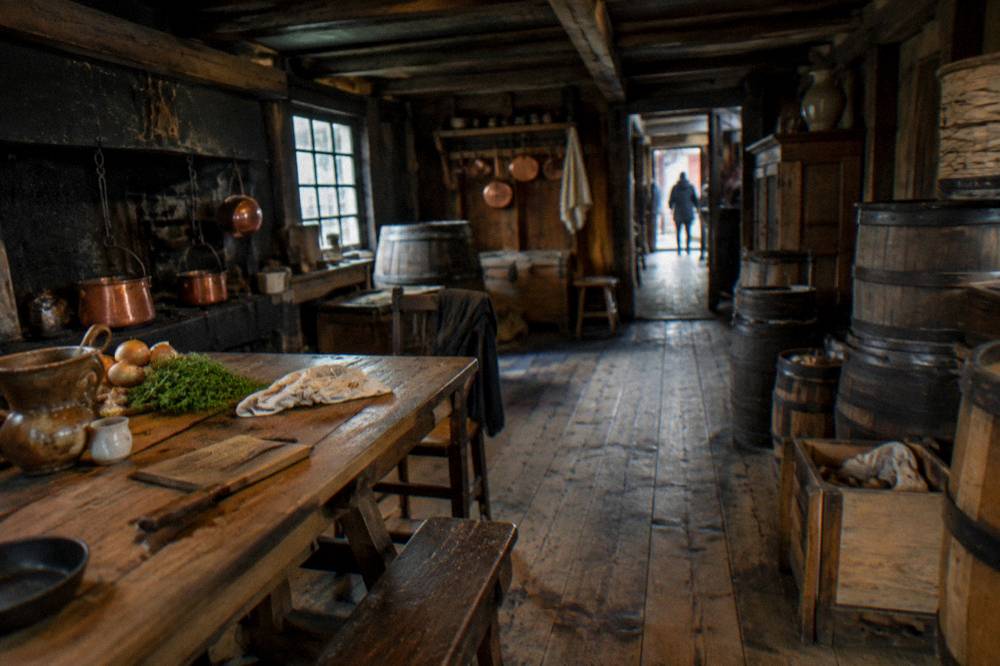
The Hanseatic Museum in Bergen, Norway, occupies a preserved Hanseatic trading building on the Bryggen wharf and shows the offices, storerooms and living quarters of the German merchants who ran the city's stockfish trade from the late medieval period onward. It is one of the few places where the commercial machinery of the Hanseatic League survives as furnished rooms rather than excavated fragments, and its collections of trade goods, ledgers and merchant furnishings explain how Bergen became the League's northernmost kontor.
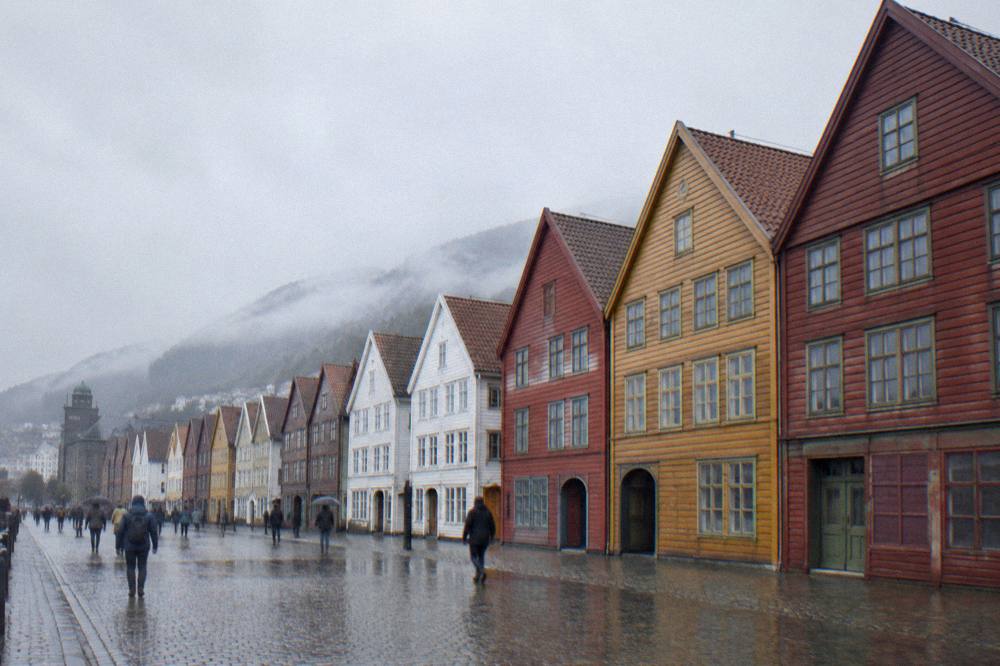
The museum sits at the heart of Bryggen, the row of gabled timber warehouses that lines the eastern side of Bergen's harbour. Those buildings were not museums but working premises for centuries: dried fish arrived by boat from northern Norway, was graded and stacked in the warehouses, and was shipped out to European markets by Hanseatic traders. The museum reconstructs that operation at ground level, which is what separates it from a conventional display of artifacts behind glass. The rooms are shown as the merchants used them.
Bergen's own history is inseparable from this trade. The kommune's population stands at 294,860 as of 1 January 2026, per the official kommunal statistics, but the city's medieval scale was defined by a much smaller commercial elite: the German office, its young unmarried clerks, and the strict internal rules that governed their conduct. The museum presents those rules, the apprenticeship system and the seasonal rhythm of the fish trade in compact, walkable form.
What Does The Hanseatic Museum Cover, And What Does It Cost?
Entry to the Hanseatic Museum in Bergen is NOK 160 with a guided visit, per the official 2026 Bergen Card flyer published by visitbergen.com. The same flyer lists nearby Bryggen sights separately: Bryggen Museum at NOK 170 ordinary admission or NOK 85 with the Bergen Card, and Haakon's Hall at NOK 120. Those figures belong to their specific attractions and should not be blended, and the Bergen Card's own terms govern any bundled discount at each site.
The pricing structure rewards a little planning. A single visit to one Hanseatic sight is cheap in isolation, but a day spent walking the wharf, the fortress and the museums multiplies quickly, and the Bergen Card flyer bundles transport and admission across a long list of Bergen attractions. The card prices below come from the same 2026 flyer, fetched directly from visitbergen.com.
| Hanseatic sight in Bergen | Ordinary price (2026 Bergen Card flyer) | Notes |
|---|---|---|
| Hanseatic Museum | NOK 160 | Includes a guided visit |
| Bryggen Museum | NOK 170 ordinary / NOK 85 with Bergen Card | Excavated Bryggen finds |
| Haakon's Hall | NOK 120 | Inside Bergenhus Fortress |
| Bryggen wharf itself | Free to walk | UNESCO World Heritage since 1979 |
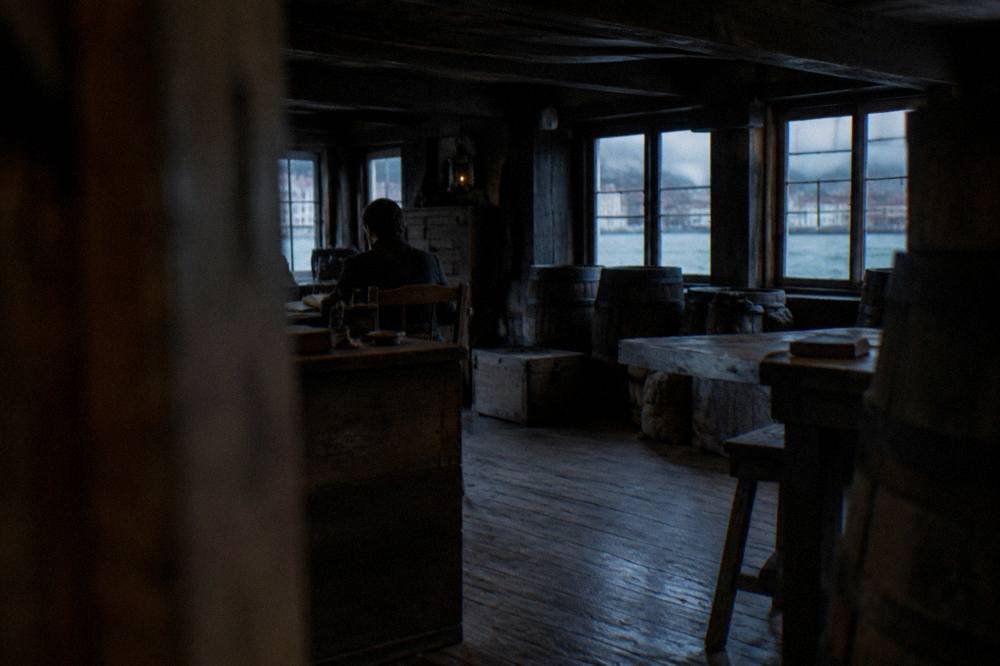
The museum's exhibits fall into a few clear groups. The trade display covers stockfish grading, weighing and packing. The domestic rooms show where the apprentices slept and ate, deliberately spartan because the League's rules discouraged private wealth among junior staff. The commercial rooms hold the desks, scales and ledgers of the counting house. Together they explain why Bryggen looks the way it does: the warehouses were machines for fish, and their architecture followed the trade.
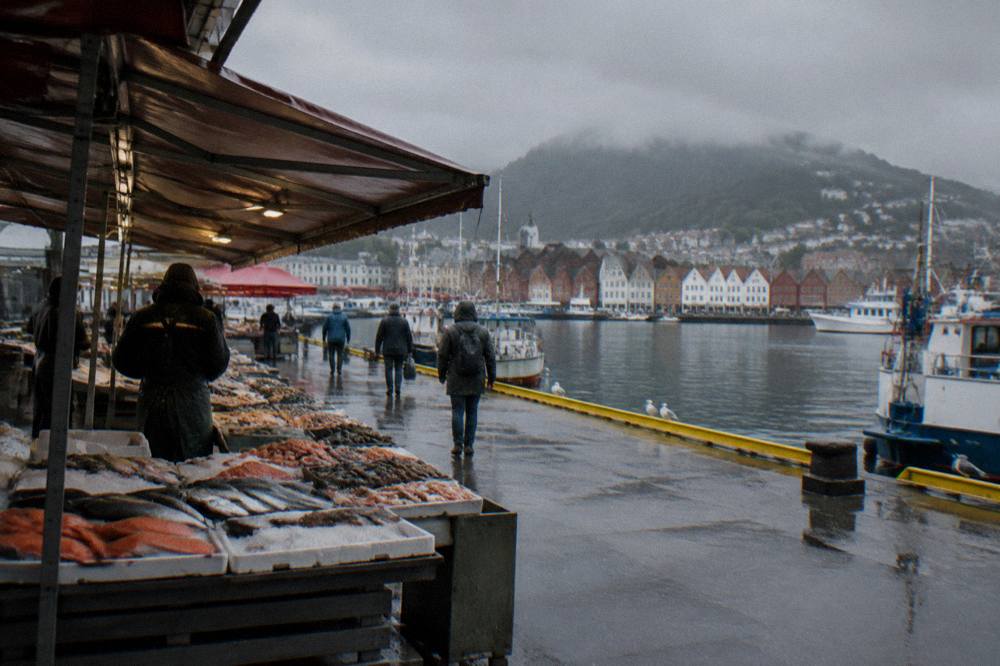
For many visitors the museum works best as the first stop of a Bryggen-focused morning, followed by the wharf itself, the Bergen Fish Market a short walk south, and the Bryggens Museum for the excavated layers underneath. Each of those sights holds its own story, and the Hanseatic Museum supplies the commercial framework that makes the rest of the district legible.
Why Did The Hanseatic League Choose Bergen?
The Hanseatic League chose Bergen because the city sat at the junction of the North Norwegian fishery and the European shipping routes, and because dried cod from the Lofoten and Finnmark fisheries was one of medieval Europe's most reliable trade commodities. German merchants from the League established a kontor, an overseas trading office, on the wharf, and by controlling the stockfish export trade they shaped Bergen's economy, its architecture and even its language of commerce for generations.
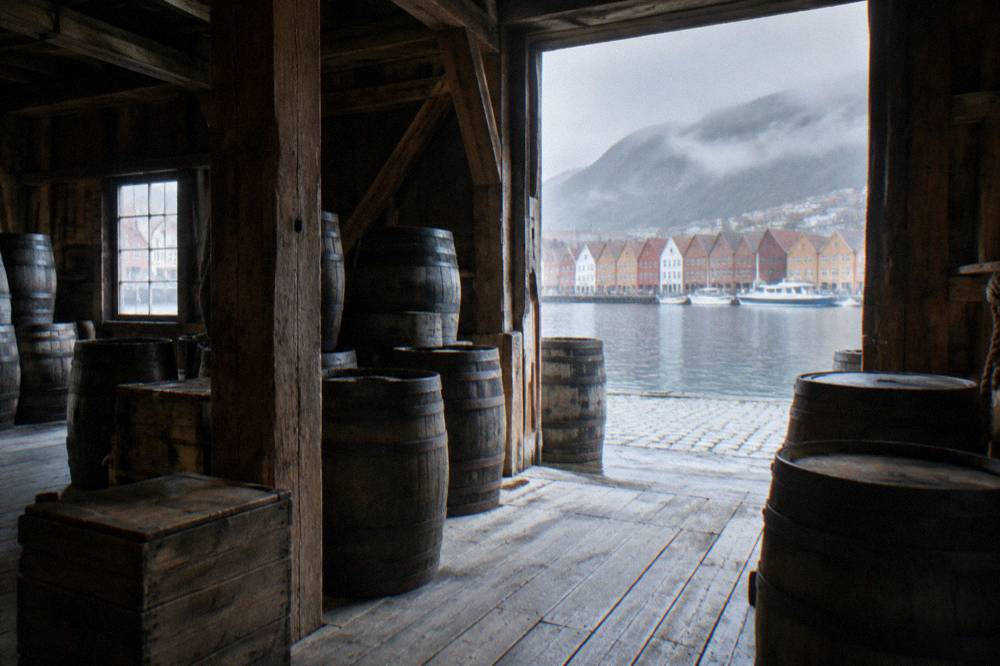
The stockfish trade was the engine. Cod, caught in the cold northern fisheries, was air dried on wooden racks until it hardened into a storable, transportable product that could survive a sea voyage to the cities of northern Europe without salt or refrigeration. Bergen, with its protected harbour and its coastal shipping connections, was the natural assembly point. The Hanseatic merchants did not fish; they financed, graded, warehoused and shipped.
That division of labour left physical traces the museum preserves. The wharf buildings are long and narrow because each needed direct water access at the gable end for unloading. The floors are arranged for hoisting cargo vertically. The rooms facing the street handled the accounting, while the harbour-facing rooms handled the goods. Once you can read this logic, the whole of Bryggen decodes itself.
| Layer of the Hanseatic trade in Bergen | What it involved | Where to see traces today |
|---|---|---|
| Stockfish landing | Northern Norwegian boats delivering dried cod | Wharf-side gables of Bryggen |
| Grading and storage | Weighing, sorting, stacking in warehouses | Hanseatic Museum storerooms |
| Accounting and control | Ledgers, clerks, League rules | Counting house displays |
| Export shipping | Outbound cargo to European ports | Harbour frontage and Bryggens Museum |
| Daily life of clerks | Communal quarters, strict conduct rules | Museum's furnished sleeping rooms |
The League's presence in Bergen outlasted its power elsewhere. Other kontore closed as the League declined, but the German office on Bryggen carried on into the modern era, and the buildings burned and were rebuilt repeatedly along the same medieval plot lines. That repeated rebuilding in the same footprints is part of what UNESCO recognised in 1979: not a frozen medieval artefact, but a living district that has preserved its plan and function through cycles of fire and reconstruction.
A word on timing before the practical sections: the Bryggen district does not sit in a vacuum, and its visitor flow is shaped by the wider city calendar. The paragraphs that follow fold in the freshest dated planning facts so the itinerary advice below rests on current information rather than folklore.
How Long Should You Spend At The Hanseatic Museum In Bergen?
A visit of between one and two hours inside the Hanseatic Museum in Bergen is enough to see the furnished merchant rooms, the trade displays and the guided visit that the NOK 160 ticket price covers. The museum is compact rather than encyclopaedic, so it suits a focused morning better than an all-day outing, and pairing it with the free walk along Bryggen and a stop at a neighbouring museum makes a natural half-day along the harbour.
The guided visit is the part worth building around. A self-guided wander of the displays explains the objects but leaves the context thin, while the guided format connects the League's structure, the fish trade and the rules of the kontor into one narrative. The 2026 Bergen Card flyer prices the ticket with the guided visit included, so check the operator's own arrangements for times and languages when booking or arriving.
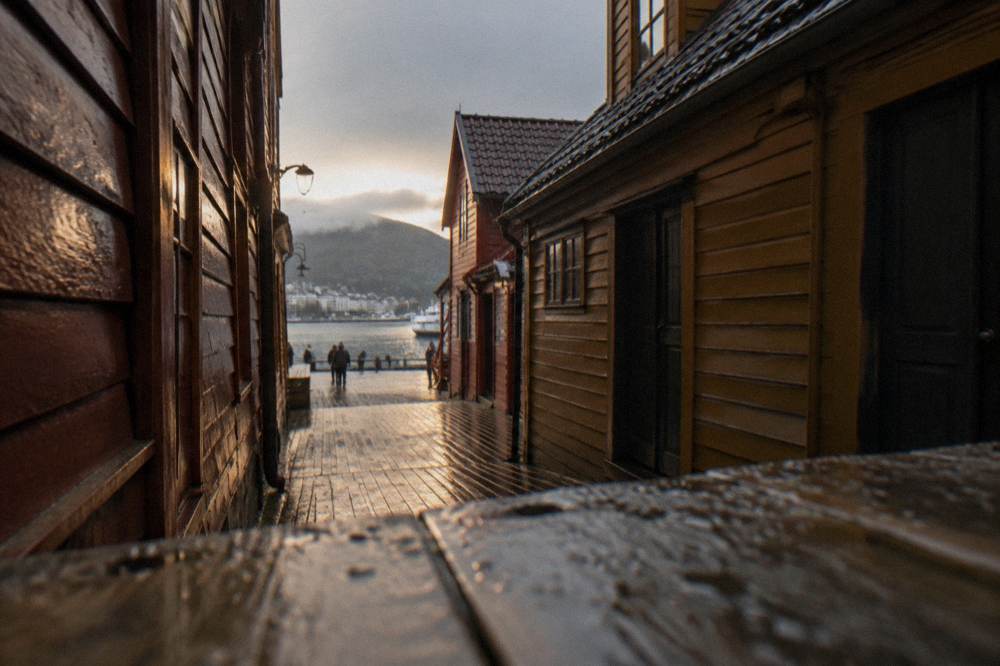
Time of day matters more here than at larger museums. Bryggen is the single most visited district in Bergen, and the alleys fill quickly with cruise passengers and day trippers. An early arrival gives you the narrow lanes closer to their working-harbour character, with fewer people between you and the timber.
| Suggested Bryggen half-day in Bergen | Typical time on site | Ticket basis |
|---|---|---|
| Hanseatic Museum with guided visit | 1-2 hours | NOK 160 (2026 flyer) |
| Walking the Bryggen alleys | Up to an hour | Free |
| Bryggens Museum excavations | 1 hour | NOK 170 ordinary / NOK 85 Bergen Card |
| Bergenhus Fortress and Haakon's Hall | 1-2 hours | Haakon's Hall NOK 120 |
| Fish Market and harbour front | Under an hour | Free to browse |
Weather is a genuine planning factor. Bergen's climate is temperate oceanic and persistently wet: yr.no's Bergen station table, from Met Norway data, shows monthly precipitation of 321.8mm in November observed against a 275.0mm normal, and 217 days with precipitation over the trailing 13 months. The good news for a museum day is that this itinerary is almost entirely covered or close under cover: the museum rooms are indoors, the Bryggens Museum is indoors, and the fortress walks are short.
Is The Hanseatic Museum Included With The Bergen Card?
The Hanseatic Museum's own 2026 price of NOK 160 with a guided visit appears in the official Bergen Card flyer's attraction table, and the card is sold in 24, 48, 72 and 96-hour versions priced from NOK 400 to NOK 700 for adults, with child prices from NOK 100 to NOK 175. The flyer confirms free Skyss buses and Bybanen light rail across Vestland county, including the airport line, so a card holder reaches the wharf on included transport; confirm terms at the museum on the day.
The card arithmetic depends on what else a visitor plans. Someone whose Bergen stay consists of the wharf, one mountain and a museum can buy individual tickets. Someone filling two or three days with attractions, fjord-adjacent transport and the funicular will usually cross the break-even point quickly, because the card spans both admissions and the region's public transport. Other pages covering the same trip are gathered on Bergen Travel Guide.
| Bergen Card 2026 (adult / child 3-15) | Duration | Included transport |
|---|---|---|
| NOK 400 / NOK 100 | 24 hours | Skyss buses and Bybanen in Vestland, incl. airport line |
| NOK 500 / NOK 125 | 48 hours | Same network |
| NOK 600 / NOK 150 | 72 hours | Same network |
| NOK 700 / NOK 175 | 96 hours | Same network |
The Bergen Card flyer lists a long roster of attractions alongside the Hanseatic Museum: the Aquarium at 380 NOK in its winter window, Fløibanen's return at 200 NOK adult from April to September and 145 NOK from October to March, and Ulriken643's return cable car ticket at 435 NOK adult. Each of those figures belongs to its own attraction, and the museum pages on this site cover them individually, including the guide to the Bergen Card's full value and the walk-through of Fløibanen and Mount Fløyen.
What Other Bryggen And Hanseatic Sights Pair Well With The Museum?
The strongest pairings with the Hanseatic Museum in Bergen are the Bryggens Museum, which displays the excavated remains beneath the wharf and costs NOK 170 ordinary or NOK 85 with the Bergen Card, Haakon's Hall inside Bergenhus Fortress at NOK 120, and the free walk through the Bryggen alleys themselves. Each sight covers a different layer of the same Hanseatic story: the working harbour, the medieval archaeology beneath it, and the royal and military power that surrounded it.
The Bryggens Museum is the essential companion. Where the Hanseatic Museum shows the furnished interior of the trade, the Bryggens Museum shows what fire and excavation revealed beneath the wharf: foundations, runic inscriptions, everyday objects and the buried footprints of earlier buildings. Visiting both gives you the trade above ground and its archaeology below.
Bergenhus Fortress sits at the north end of the wharf and adds the political frame. Haakon's Hall, at NOK 120 per the flyer, is a medieval stone hall from the era when Bergen was a royal seat, and the fortress grounds themselves are free to wander. The Maritime Museum and the Fisheries Museum extend the story further, along the harbour and in the older dock quarters. The Bergen Maritime Museum, the Norwegian Fisheries Museum and Bryggen's own guide page cover those in detail.
| Nearby sight in Bergen | Connection to the Hanseatic story | Price basis (2026 flyer where listed) |
|---|---|---|
| Bryggens Museum | Excavated wharf layers below Bryggen | NOK 170 / NOK 85 Bergen Card |
| Haakon's Hall | Medieval royal hall at the fortress | NOK 120 |
| Bergenhus Fortress grounds | Fortifications around the harbour | Free to walk |
| Bergen Fish Market | The modern successor to the harbour trade | Free to browse |
| St Mary's Church | Medieval parish church of the wharf | See its own guide page |
St Mary's Church is the quietest of these pairings and one of the oldest stone buildings in Bergen, sitting just behind the wharf among the churchyard trees. The St Mary's Church guide covers it separately. For visitors travelling with children, the mix of museum rooms, open fortress grounds and the VilVite Science Center across town balances history with hands-on activity, and the Bergen with kids guide folds these into a workable day.
How Does The Hanseatic Museum Fit Into A Day In Bergen?
The Hanseatic Museum anchors the historical half of a one-day Bergen plan: pair it with the Bryggen alleys, the Bryggens Museum and Bergenhus Fortress in the morning, then ride Fløibanen up Mount Fløyen in the afternoon for the view over the wharf.
Fløibanen's return ticket is 200 NOK for an adult from 1 April to 30 September and 145 NOK from 1 October to 31 March, per the 2026 Bergen Card flyer, and the funicular station is a short walk from the wharf, so the day needs no car.
The geometry of central Bergen makes this easy. The wharf, the fish market, the fortress and the funicular base all sit within a compact harbour-side zone, and the one-day itinerary walks it end to end. Visitors with more time can extend to two or three days using the two-day and three-day plans, which fold in the fjord day trips.
The museum also works as a rainy-day anchor, and in Bergen that is not a joke. The yr.no Met Norway table for the Bergen station records 217 days with precipitation over the trailing 13 months, with November the wettest observed month at 321.8mm. A wet afternoon spent inside the Hanseatic Museum and the Bryggens Museum loses nothing to the weather, and the rainy day in Bergen guide is built around exactly that.
What Should You Know Before Visiting The Hanseatic Museum In Bergen?
Before visiting the Hanseatic Museum in Bergen, know three things: the ticket is NOK 160 with a guided visit per the 2026 Bergen Card flyer, the museum sits on the UNESCO-listed Bryggen wharf where crowds peak in the middle of the day, and the surrounding alleys, harbour front and neighbouring museums are walkable without transport, so no car and no timetable is needed. Confirm current opening arrangements directly before travelling, since museum schedules change seasonally and no hours figure is published in this guide's verified sources.
Bergen's transport is simple where it matters. A Skyss single adult ticket in zone A costs 51 NOK per the visitbergen.com travel information page, and the Bybanen light rail and Skyss buses run across the city and out to Bergen Airport Flesland. The Bergen Card includes that network, which reduces the per-day cost of moving between the wharf, the airport-side hotels and the further museums.
A few practical notes round out the visit:
| Practical point | Detail | Source basis |
|---|---|---|
| Museum ticket | NOK 160 with guided visit | 2026 Bergen Card flyer |
| Currency | Norwegian krone (NOK) only, never the euro | All official price sources |
| Wharf access | Bryggen alleys free and open to walk | Public street |
| Local transport | Skyss zone A single 51 NOK | visitbergen.com travel page |
| Weather reality | 217 days with precipitation, trailing 13 months | yr.no Met Norway table |
| City context | Bergen, Vestland county, 294,860 residents (1 Jan 2026) | Bergen kommune statistics |
Norway is not an EU member; it is a non-EU EEA/EFTA member and a Schengen Associate applying the Schengen acquis, so travellers should plan entry on that basis and avoid assuming EU arrangements. No specific entry-system date belongs on this page, since none was independently re-verified.
Common Questions About The Hanseatic Museum In Bergen
What Is The Hanseatic Museum In Bergen?
The Hanseatic Museum in Bergen, Norway, is a furnished historic house museum on the Bryggen wharf showing how German Hanseatic merchants traded, stored stockfish and lived in the city from the late medieval period onward.
How Much Does The Hanseatic Museum In Bergen Cost?
Entry is NOK 160 with a guided visit, per the official 2026 Bergen Card flyer published by visitbergen.com.
Is The Hanseatic Museum Included With The Bergen Card?
The museum's price appears in the Bergen Card flyer's attraction table, and the card itself costs from NOK 400 for 24 hours to NOK 700 for 96 hours for an adult. Confirm the specific card terms at the museum on the day of your visit.
How Long Does A Visit To The Hanseatic Museum Take?
A visit takes one to two hours, including the guided visit, which is enough to see the counting rooms, storerooms and living quarters at a comfortable pace.
Is Bryggen Part Of The Hanseatic Museum?
The museum is one building on Bryggen; the wharf itself is a separate, free-to-walk UNESCO World Heritage district, inscribed in 1979, with the Bryggens Museum nearby covering the excavated layers beneath it.
What Else Should I See Near The Hanseatic Museum?
The Bryggens Museum at NOK 170 ordinary or NOK 85 with the Bergen Card, Haakon's Hall at NOK 120 inside Bergenhus Fortress, and St Mary's Church behind the wharf all pair naturally with the Hanseatic Museum.
Bergen's Hanseatic past is not a background note; it is the reason the wharf looks, smells and sounds the way it does, from the gable-end hoists to the narrow alleys the merchants walked daily. The Hanseatic Museum compresses that story into a single furnished building, and a morning spent inside it changes how every street in the old town reads afterwards, long after the rain has moved on down the coast.