Norwegian Fisheries Museum
The Norwegian Fisheries Museum in Bergen, on Norway's southwestern coast, tells the story of the trade that built this Hanseatic port. Here is what to expect, how to plan a visit and how it fits with the rest of the city.
Short answer
The Norwegian Fisheries Museum in Bergen, Norway, is a small harbourfront museum covering Norway's fishing and coastal trade history. Allow about an hour, pair it with the nearby Hanseatic Museum and Bryggen, and check the Bergen Card's current materials for admission before you go.
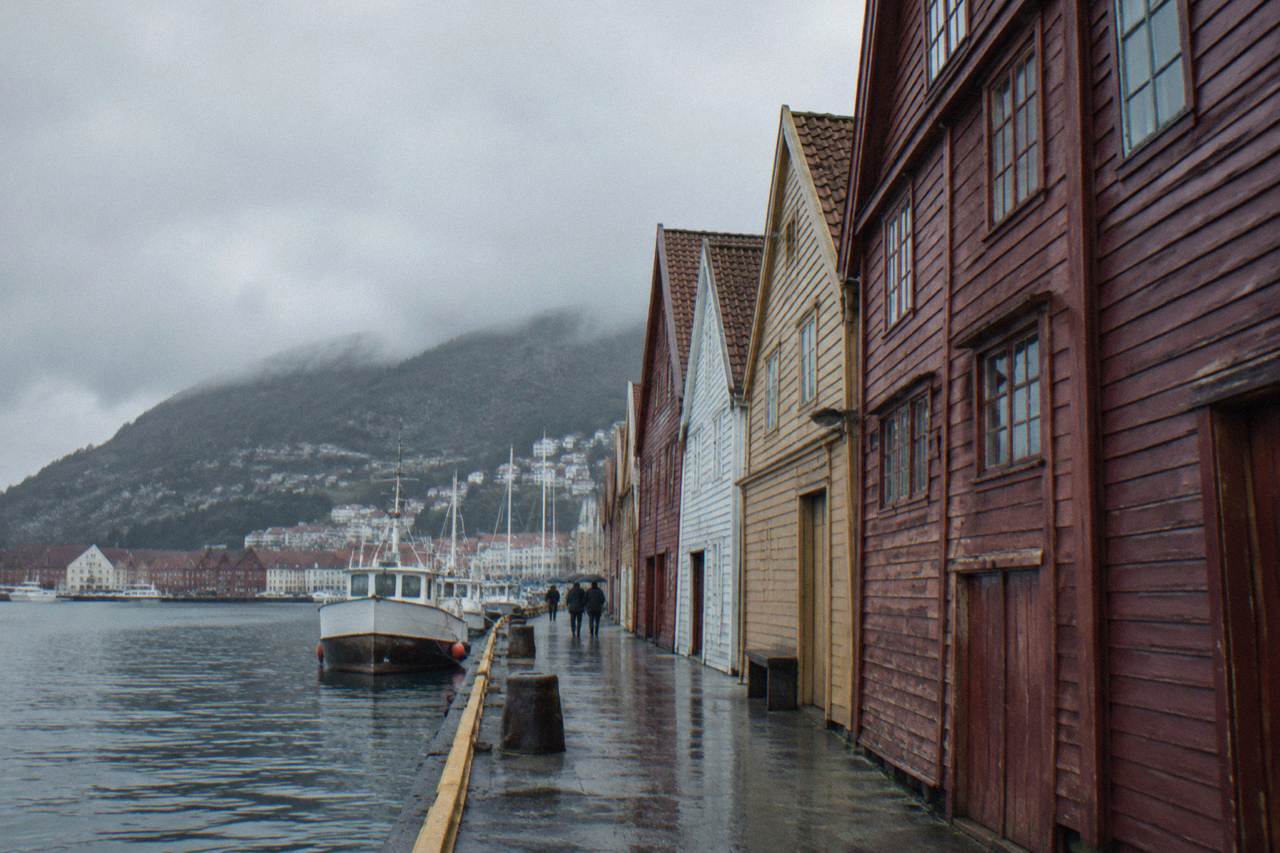
Bergen, in Vestland county on Norway's southwestern coast, grew rich on fish long before the cruise ships and the souvenir shops arrived, and the Norwegian Fisheries Museum is where that story is told. The city was a Hanseatic League trading post for centuries, and dried cod shipped out of this harbour to feed much of northern Europe. The museum sits among the old wooden warehouse buildings of the harbourfront, the same building stock that made Bryggen a UNESCO World Heritage site, inscribed in 1979 according to UNESCO's own listing text. It is a modest, quiet museum compared with the city's big-hitters, and that is precisely why it rewards the visitor who plans for it rather than stumbling in.
The museum's focus is the sea economy: the boats, the gear, the salting and drying of fish, and the merchants who moved it. visitbergen.com and the museum's own materials are the right places to confirm current opening hours and admission, because the verified facts pack for this site does not carry a confirmed admission figure or timetable for this museum, and this guide will not invent one. What follows instead is what the museum is, how it fits into a Bergen day, and how to combine it with the attractions around it.
What Is The Norwegian Fisheries Museum In Bergen?
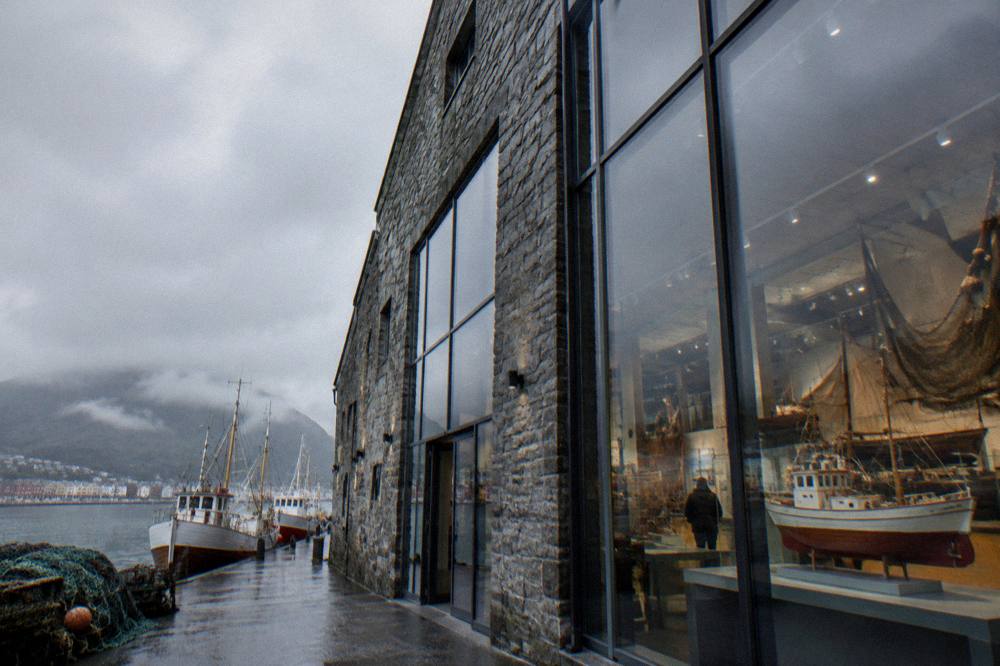
The Norwegian Fisheries Museum is a heritage museum in Bergen, Norway, dedicated to the history of Norwegian fishing and the coastal trade that grew around it. It occupies historic wooden buildings on the harbourfront near Bryggen, and its exhibits cover boats, nets, salting and drying works, and the merchant culture that shipped dried fish out of Bergen for centuries. It is a compact museum, best understood as the working-harbour companion to the Hanseatic Museum across the district.
Where Bergen Travel Guide as a site covers the whole city, this page sticks to one building complex. The museum's setting matters as much as its collection. Bergen's harbourfront warehouse rows were built and rebuilt by Hanseatic merchants and their successors, and walking through them is walking through the machinery of the dried-cod trade. The German Hansa office at the Hanseatic Museum shows the merchants' quarters; the fisheries museum shows the catch itself and the industry that processed it.
The distinction is worth spelling out because visitors often confuse the two. The Hanseatic Museum is the furnished trading post, listed by the 2026 Bergen Card flyer at 160 NOK with a guided visit. The Norwegian Fisheries Museum is the wider story of Norwegian fishing. If your time in Bergen is short and you only see one, most first-time visitors choose the Hanseatic Museum for its atmosphere, but travellers with an interest in maritime history, food history or how Norway actually got rich tend to prefer the fisheries side.
What Can You See Inside The Norwegian Fisheries Museum In Bergen?
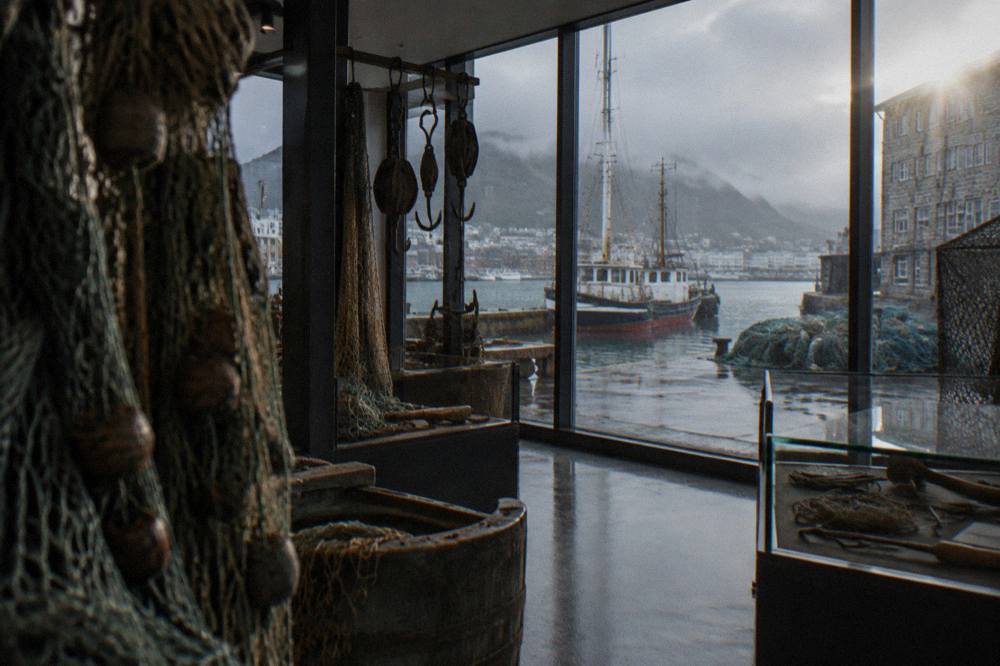
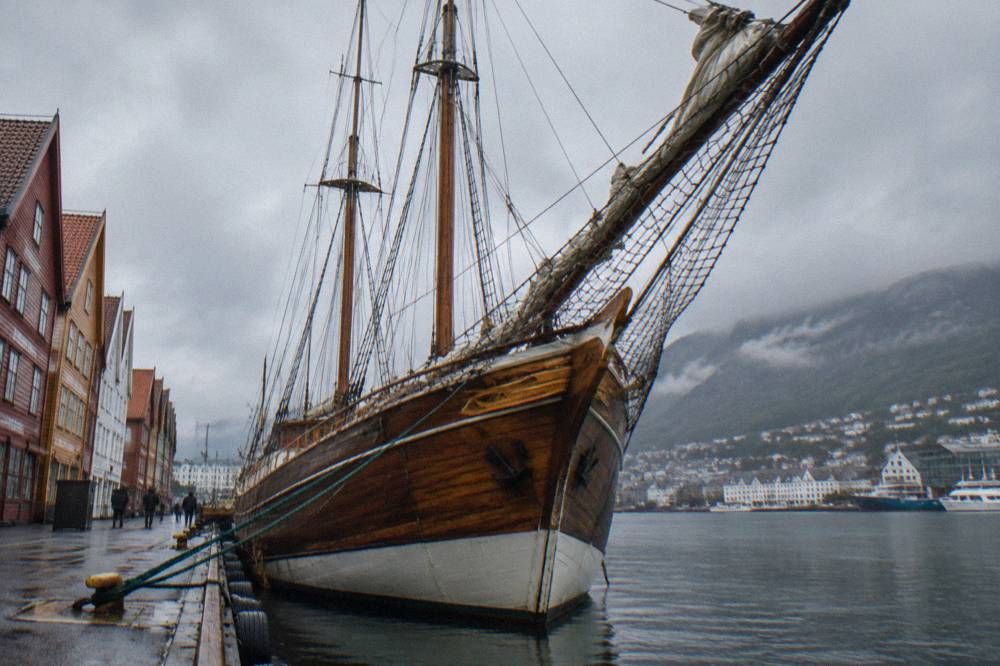
Inside the Norwegian Fisheries Museum in Bergen you find the material culture of the Norwegian fishery: traditional small boats, nets and longlines, salted and dried fish displays, barrel-making and packing equipment, and exhibits on the coastal communities that depended on the catch. The verified facts pack for this site does not include a room-by-room inventory or opening hours, so treat this as the museum's documented scope rather than a floor plan, and confirm current exhibits on its own listing before visiting.
The honest framing matters here. The About page states plainly that this site's coverage of Bergen comes without a visit. Where a competing guide would describe the smell of the drying racks from memory, this one tells you what the primary sources state. The museum's own materials describe a collection built around the fishing industry and its coastal trade, set in buildings that were themselves part of that trade. That is a genuinely appealing combination for anyone who has already walked Bryggen and wants to understand what the money was actually for.
A sensible pattern for a morning: start with a walk through the harbour district, drop into the Hanseatic Museum for the merchant experience, then finish at the fisheries museum for the industry. That is a half-day of harbour Bergen without touching a mountain, which matters in a city with 217 days of precipitation over the trailing 13 months according to yr.no's Bergen station table. On a wet afternoon, this trio is one of the better dry plans in the city, alongside the Bergen Maritime Museum and the museums of Nordnes.
If food is your angle rather than ships, a guided food walk covers the harbour-side kitchens and the fish trade's living legacy, with the added texture of a Fløibanen ride to see the city from above.
There is a real argument for pairing the museum with eating. The fish market a few minutes away sells the modern version of what the museum displays historically, and the difference between the two, the salted cod of the Hansa era and today's served-to-order seafood, is the whole arc of Bergen's economy in a single walk.
Where Is The Norwegian Fisheries Museum And How Do You Get There In Bergen?
The Norwegian Fisheries Museum stands in the historic harbourfront warehouse district of central Bergen, Norway, within walking distance of Bryggen, the Hanseatic Museum and the fish market. From most central Bergen hotels it is a short flat walk, and a Skyss single adult ticket in zone A costs 51 NOK per the visitbergen.com transport page if you arrive by bus or light rail. The museum district itself is pedestrian-friendly and compact.
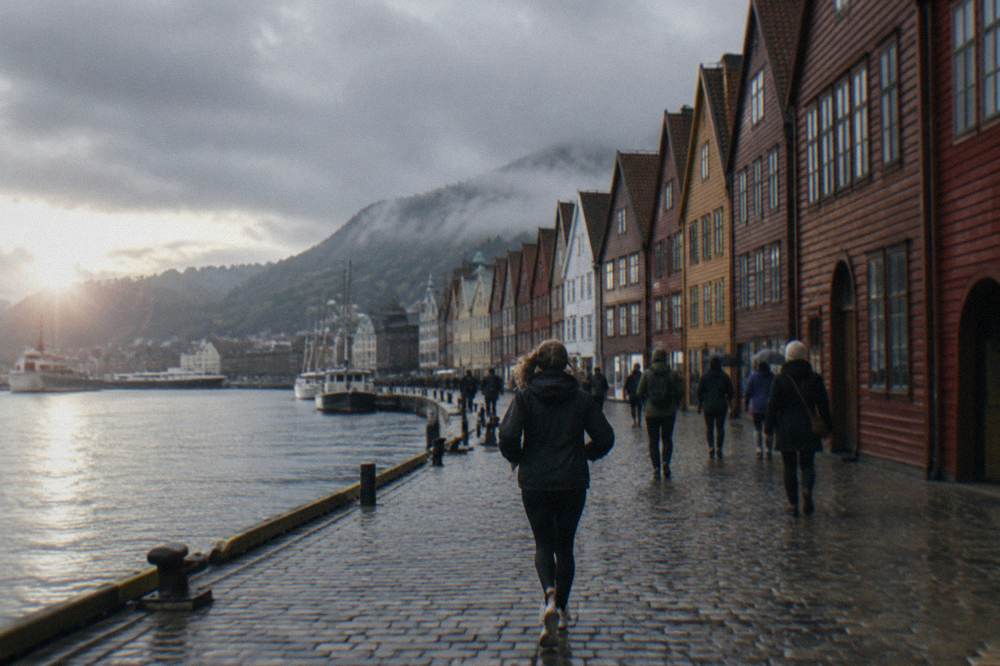
Central Bergen is small. The harbour, the fish market, the fortress and the museum district all sit within a few minutes of each other on foot, and the practical question is rarely how to reach the harbour but how to order a harbour walk so it flows. The route runs from Torgallmenningen through the fish market, along the Bryggen wharf, and into the old warehouse lanes where the fisheries museum sits.
For transport, the verified facts are these: a Skyss single adult ticket in zone A is 51 NOK, the Bergen Card 2026 (24 hours, 400 NOK adult) includes free Skyss buses and the Bybanen light rail across Vestland county including the airport line, and the card's flyer lists the Hanseatic Museum at 160 NOK with a guided visit. The Bergen Card's own flyer is the source for what the card covers at each attraction; for the Norwegian Fisheries Museum specifically, check the card's current coverage list before assuming admission, because this site's verified pack does not confirm a figure for it.
One planning note from the climate data: Bergen's wettest observed month in the trailing 13-month yr.no table was November, with 321.8 mm of precipitation against a 275.0 mm normal, and the table counted 217 days with precipitation across the period. An umbrella is not an accessory in this city, it is infrastructure, and the harbour museums are a genuinely good wet-weather plan because the warehouse lanes keep you partly under cover.
After the harbour, the city's two viewpoint systems are the obvious extension. Fløibanen's return ticket is 200 NOK adult from April to September and 145 NOK from October to March per the Bergen Card flyer's ordinary-price table, and the Ulriken643 cable car return is 435 NOK adult, confirmed on ulriken643.no. Note one operational detail from the same source: the Ulriken643 cable car has scheduled maintenance closure in weeks 1-2 of 2026, reopening around 13 January, plus standard Christmas closures.
How Long Should You Spend At The Norwegian Fisheries Museum In Bergen?
Plan roughly 45 minutes to an hour for the Norwegian Fisheries Museum in Bergen itself, plus whatever you spend on the surrounding warehouse lanes, Bryggen and the Hanseatic Museum. The museum is a focused stop, not a half-day attraction, and most itineraries fold it into a two-to-three-hour harbour walk. Travelers who love maritime or food history stretch it longer; visitors chasing headline sights can see the district in about an hour.
That timing reflects what the museum is: a compact collection in a historic setting, not a national-scale institution. Compare it with the cluster around it and the difference is clear. The University Museum of Bergen and VilVite Science Center each justify their own longer blocks, and families with children usually get more hours out of the Bergen Aquarium than out of any history museum.
A realistic harbour morning looks like this: 30 minutes wandering the Bryggen wharf and photographing it, 45 minutes to an hour at the Hanseatic Museum, 45 minutes to an hour at the Norwegian Fisheries Museum, then lunch near the fish market. That fills a morning without rushing and leaves the afternoon for a mountain, a fjord cruise, or the museums of Nordnes.
How Does The Norwegian Fisheries Museum Compare With Bergen's Other Museums?
Compared with Bergen's other museums, the Norwegian Fisheries Museum is the narrowest and most specialized: it covers fishing and coastal trade, while the Hanseatic Museum covers the merchants, the Maritime Museum covers seafaring broadly, and Old Bergen and Bryggen's own museum cover the city's domestic and urban history. It suits visitors with a specific interest; general visitors usually rank it behind the Hanseatic Museum but ahead of nothing on a rainy day.
The table below collects the museum and sight options whose figures are confirmed in the 2026 Bergen Card flyer and related verified sources. Where a figure is not confirmed for a specific museum, this table does not guess it.
| Bergen sight | Confirmed adult price (NOK) | Source note |
|---|---|---|
| Bergen Card 24h / 48h / 72h / 96h | 400 / 500 / 600 / 700 | Official 2026 Bergen Card flyer |
| Hanseatic Museum | 160 (with guided visit) | Official 2026 Bergen Card flyer |
| Bryggen Museum | 170 ordinary, 85 with Bergen Card | Official 2026 Bergen Card flyer |
| Haakon's Hall | 120 | Official 2026 Bergen Card flyer |
| KODE Art Museums | 200 as the Bergen Card line-item price | Bergen Card flyer; KODE's own standalone adult price is not independently confirmed |
| The Aquarium | 380 (Nov-Feb window), 380-415 seasonal Mar-Oct | Official 2026 Bergen Card flyer |
| Fløibanen return | 200 (Apr-Sep), 145 (Oct-Mar) | Bergen Card flyer ordinary-price table |
| Ulriken643 return | 435 | ulriken643.no |
| Skyss single ticket, zone A | 51 | visitbergen.com transport page |
A second table, this one qualitative, ranks the city's history museums by the visitor they suit best. It is based on each museum's documented scope, not on a visit.
| If you want... | Best fit in Bergen | Why |
|---|---|---|
| The merchant experience | Hanseatic Museum | Furnished Hanseatic trading quarters, guided visit option |
| The fishing industry story | Norwegian Fisheries Museum | Boats, gear, salting and drying, coastal trade |
| Broad seafaring history | Bergen Maritime Museum | Ships, navigation and Bergen's port history |
| Everyday life in old Bergen | Old Bergen Museum | Historic wooden town buildings and interiors |
| Archaeology of the wharf | Bryggens Museum | Finds from the Hanseatic excavations |
| Art over history | KODE Art Museums | The city's main art collection, four buildings |
Is The Norwegian Fisheries Museum In Bergen Good For Families And Kids?
The Norwegian Fisheries Museum in Bergen works best for older children, roughly eight and up, who can engage with boats, tools and trade history, while very young children get more from the Bergen Aquarium or VilVite Science Center. Hands-on activities at the fisheries museum are not guaranteed, so check its current listing for any family programming before promising them to your children.
This is where honesty beats enthusiasm. Some guides claim every museum is great for kids. The verifiable comparison is simpler: the Aquarium's ordinary adult price of 380 NOK in the November-to-February window, rising to a 380-415 NOK seasonal range from March to October, reflects a big-ticket family attraction, and VilVite is a purpose-built science center. A history museum about salted fish is a different product. Some children find the boats and the giant hooks fascinating; some do not, and you know your own.
For a family harbour day, the workable sequence is the Aquarium in the morning, lunch at the fish market, then the Hanseatic Museum and the fisheries museum for the adults while the youngest ones run out their energy on the wharf. On a dry day, add Stoltzekleiven or a Fløibanen ride instead; the view from the top of the funicular line is the city's most reliable crowd-pleaser.
What Else Should You Do Near The Norwegian Fisheries Museum In Bergen?
Within a short walk of the Norwegian Fisheries Museum you have the Hanseatic Museum, Bryggen's wharf and its museum, the fish market, the Bergenhus fortress with Haakon's Hall at 120 NOK, St Mary's Church, and the Bergen Aquarium at 380 NOK or more depending on season. The whole harbour district is walkable in one loop, so the museum is best treated as one stop in a larger harbour itinerary rather than a destination in itself.
The loop, in the order most walkers enjoy it: start at Torgallmenningen, cut through the fish market, walk the length of the Bryggen wharf, loop into the warehouse lanes for the two Hanseatic and fisheries museums, then swing west to Bergenhus Fortress and St Mary's Church. Finish either at the Aquarium on Nordnes or back up the hill on Fløibanen. That is a full and varied day with almost no transport, and it is the reason central Bergen works so well for short visits.
If you have more than a day, the fjord day trips are the next tier. A high-speed RIB safari into the Mostraumen fjord is a half-day on the water, and a full-day glacier-lake trip into Folgefonna National Park covers waterfall and glacier country south of the city. Both depart from the same harbour district you will be walking through.
The RIB option suits travellers who want speed and spray, but it is not the only way out of the harbour. Slower boats, guided walks and mountain trips all leave from the same piers, and the choice between them is mostly a choice of pace and of how much of the day you are willing to spend on the water rather than in the city. The tours below cover the range of options available.
For travellers who like their day trips slow and their history dense, the regional museums beyond the centre are underrated. Troldhaugen, the home of composer Edvard Grieg, sits by the water south of the city, and Lysøen, the island villa of Ole Bull, is reached by a short seasonal boat trip. Neither is in the verified pack's price table, so check each listing directly; what is confirmed is that both are real, open, listed attractions in the Bergen area and both are reached from the same harbour you are already standing in.
How Does The Bergen Card Work With The Norwegian Fisheries Museum And The Harbour Sights?
The 2026 Bergen Card costs 400 NOK for 24 hours, 500 for 48, 600 for 72 and 700 for 96, adult prices, and it includes free Skyss buses and the Bybanen light rail across Vestland county including the airport line, plus free or discounted entry at many museums. For the Norwegian Fisheries Museum specifically, this site's verified pack does not confirm the card's coverage, so check the Bergen Card's own flyer or visitbergen.com before buying the card for this museum alone.
What the card does confirm, from the official flyer fetched directly: the Hanseatic Museum at 160 NOK with a guided visit, the Bryggen Museum at 170 NOK ordinary or 85 NOK with the card, Haakon's Hall at 120 NOK, the Aquarium at 380 NOK in the November-to-February window, and a 200 NOK KODE line-item price that should be treated as the card's own figure rather than KODE's standalone adult price, which is not independently confirmed. The card's transport coverage, free Skyss buses and the light rail county-wide including the airport line, is confirmed in the same flyer.
The arithmetic question is whether a 24-hour card at 400 NOK pays for itself on a harbour day. The method is simple: list the flyer-confirmed prices of what you will actually visit, add them up yourself, and compare the total against the card tier that matches your stay. A day stacking the Hanseatic Museum, the Bryggen Museum and Haakon's Hall already draws on three flyer figures, and a day adding the Aquarium and Fløibanen draws on two more. What you should not do is buy the card on the assumption it covers the Norwegian Fisheries Museum, because that is not confirmed in the flyer.
A card-decision checklist, using only flyer-confirmed figures:
| Your harbour day | Flyer-confirmed figures to add up | Card tier to compare against |
|---|---|---|
| Hanseatic Museum, Bryggens Museum, Haakon's Hall | 160, 170, 120 NOK | 24h card at 400 NOK |
| Aquarium and Bryggens Museum | 380, 170 NOK | 24h card at 400 NOK |
| Hanseatic Museum and Ulriken643 ticket | 160, 435 NOK | 24h card at 400 NOK, noting Ulriken coverage per its own entry rules |
| Fløibanen return and Bryggens Museum | 200, 170 NOK | 24h card at 400 NOK; check Fløibanen's card discount terms |
The point of the table is the method, not a verdict: run your own list against the current flyer before you buy, because discounts and terms change and the flyer is the primary source.
Common Questions About The Norwegian Fisheries Museum
What is the Norwegian Fisheries Museum in Bergen?
It is a heritage museum in central Bergen, Norway, dedicated to Norwegian fishing and coastal trade history, housed in historic harbourfront wooden buildings near Bryggen. Its exhibits cover boats, gear, salting and drying, and the merchant trade that moved dried fish out of Bergen for centuries.
How long does the Norwegian Fisheries Museum take?
Roughly 45 minutes to an hour for the museum itself, plus time for the surrounding warehouse lanes. Many fold it into a two-to-three-hour harbour walk that also covers the Hanseatic Museum, Bryggen and the fish market.
How much does the Norwegian Fisheries Museum cost?
No admission figure for this museum is confirmed, so none is quoted here. Check the museum's own listing or the current Bergen Card flyer for the live price, and note that the 2026 Bergen Card itself costs 400 NOK for 24 hours at the adult rate.
Is the Norwegian Fisheries Museum worth visiting?
It is worth visiting if you have an interest in maritime, trade or food history, or if you are already walking the Bryggen district and want the industry's story after seeing the merchants' quarters. Visitors chasing headline sights usually prioritize the Hanseatic Museum, the Fløibanen funicular and a fjord cruise first.
Where is the Norwegian Fisheries Museum located?
It is in the historic harbourfront warehouse district of central Bergen, within walking distance of Bryggen, the Hanseatic Museum, the fish market and the Bergenhus fortress. The whole district is flat, compact and pedestrian-friendly.
Is the Norwegian Fisheries Museum good for children?
Older children with an interest in boats and tools can enjoy it, but very young children generally get more from the Bergen Aquarium or the VilVite Science Center. Family-programming details are unconfirmed, so check the museum's current listing for hands-on activities.
Anything Else Worth Knowing Before You Visit The Norwegian Fisheries Museum In Bergen?
Before visiting the Norwegian Fisheries Museum in Bergen, confirm its opening hours and admission on its own listing, check the current Bergen Card flyer for coverage, bring rain gear regardless of forecast because the city logged 217 days with precipitation in the trailing 13 months, and plan it as one stop in a harbour loop rather than a standalone trip. The museum rewards a planned visit far more than a spontaneous one.
Bergen's climate is temperate oceanic and wetter than most of Norway, with monthly averages from -1.4 C in January 2026 to 14.9 C in July 2026 in the yr.no station table, and no daylight or sunshine-hours figure is sourced for this city, so plan around rain rather than around light. Layered clothing and a proper shell jacket matter more here than in almost any other European city of this size, and the harbour museums are at their best precisely when the weather is at its worst.
Finally, the honest itinerary advice: if you have one day in Bergen, the harbour museum cluster competes with Fløibanen, the fish market and a fjord cruise for your hours, and the fisheries museum is the piece for travellers who already know the wharf is beautiful and want to know why it exists. A city built on dried cod, shipped by Hanseatic merchants out of these exact buildings, is a city whose fishing museum is not a footnote. It is the explanation, and pairing it with the Hanseatic Museum, the Maritime Museum and a walk along the wharf is the closest a single Bergen morning comes to the whole story.