Troldhaugen
Troldhaugen is the lakeside villa where Edvard Grieg wrote much of his music, set in the Fana district south of Bergen's centre and now one of Norway's most visited composer homes.
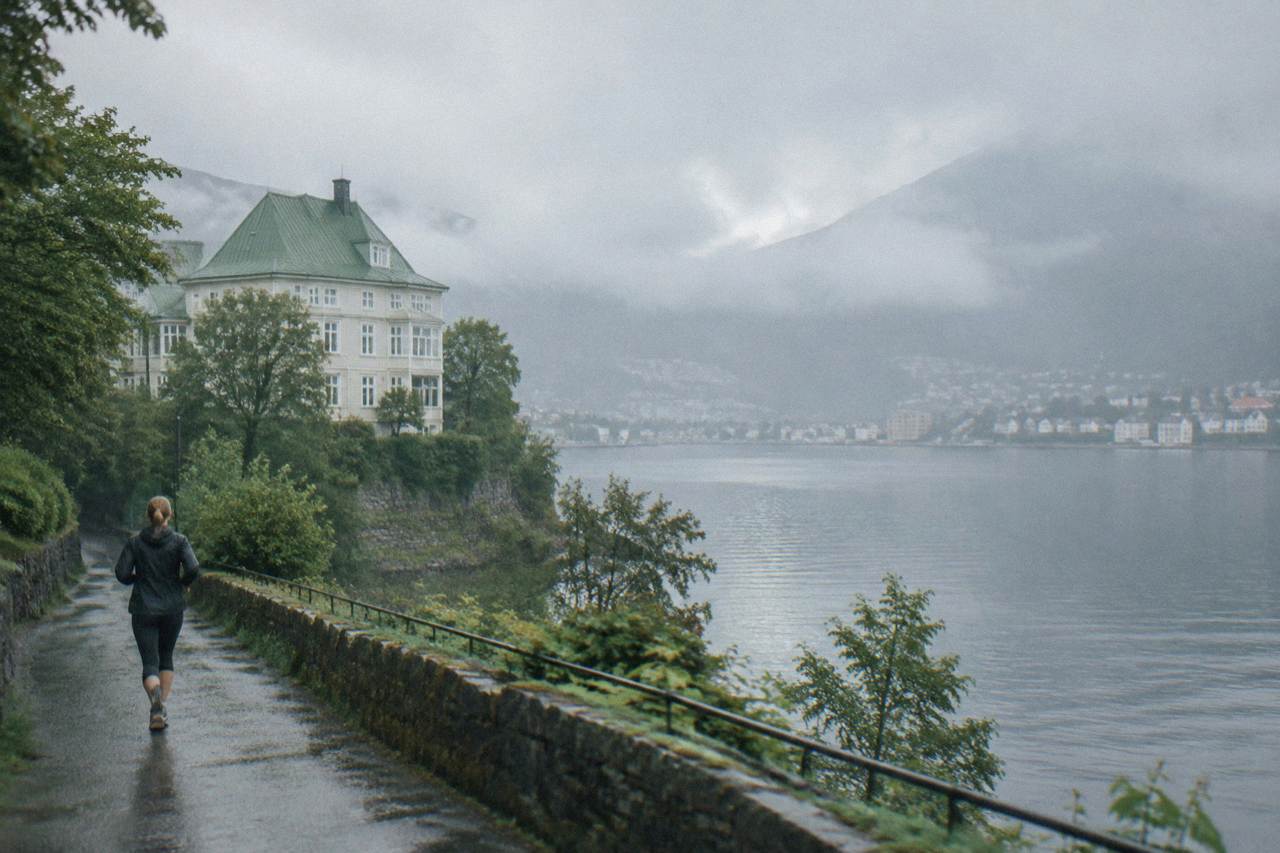
Short answer
Troldhaugen is Edvard Grieg's former home on the Nordåsvannet lake in the Fana district of Bergen, Norway. Visitors see the preserved villa, the tiny composer's hut by the water, the Troldsalen concert hall and the rock tomb where Grieg and his wife Nina rest, with a museum covering the composer's life.
Troldhaugen, in the Fana district of Bergen in Vestland county on Norway's southwestern coast, was the home of composer Edvard Grieg and his wife Nina, and today it stands as the city's most personal monument to its most famous musician. The name, often translated as "troll hill," sits on a promontory above the lake Nordåsvannet, south of the city centre. This guide covers what the site holds, how to reach it, what a visit costs alongside the wider Bergen Card, and how to fold it into a day that also takes in the fjords Grieg wrote about.
The couple settled into the villa as their permanent home, and Grieg worked here for the rest of his life, much of it inside a tiny hut perched at the water's edge where he composed with a view across the lake. After the composer's death, the site grew into a museum, and a chamber-music hall, the Troldsalen, was later built into the hillside so that concerts could be held metres from where the music was written. Grieg and Nina are buried together in a tomb cut into the rock above the shore.
What Is Troldhaugen, And Why Does It Matter To Bergen?
Troldhaugen is the preserved home of Edvard Grieg, Norway's most performed composer, consisting of the original villa, the small lakeside hut where he composed, a museum about his life, the Troldsalen concert hall and the rock tomb holding his and Nina's remains. It matters to Bergen because Grieg is the city's clearest musical identity, and this is the one place where that identity has a physical home.
Bergen gave the world several cultural figures, but Grieg occupies a category of his own. The man who wrote the incidental music to Peer Gynt, the Piano Concerto in A minor and a long shelf of songs and Lyric Pieces grew up in the city, and his decision to build a permanent home on the Nordåsvannet shoreline tied his working life to this quiet stretch of Fana for over two decades.
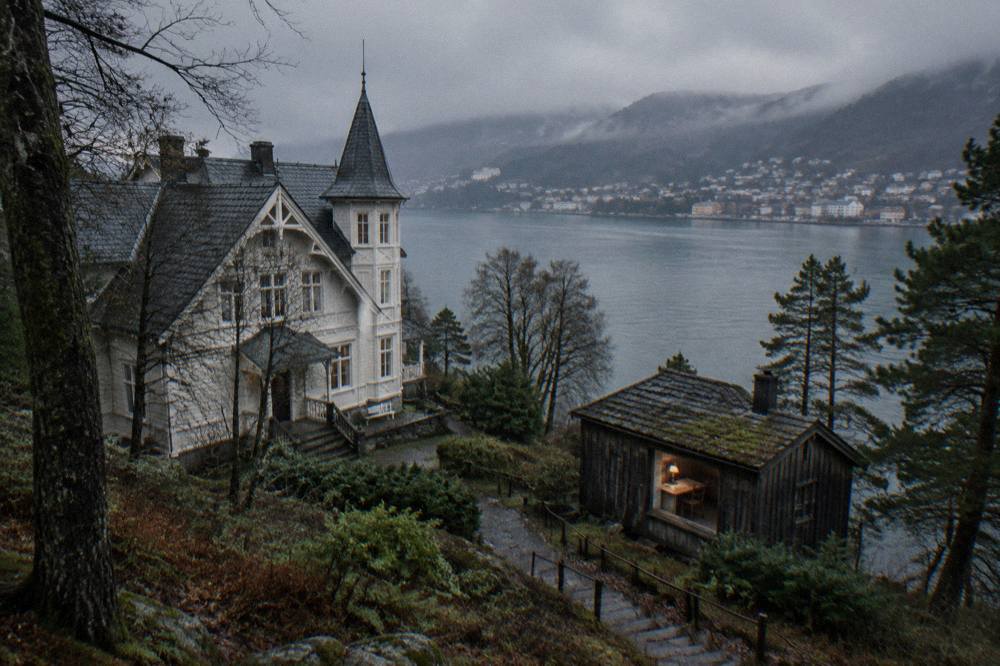
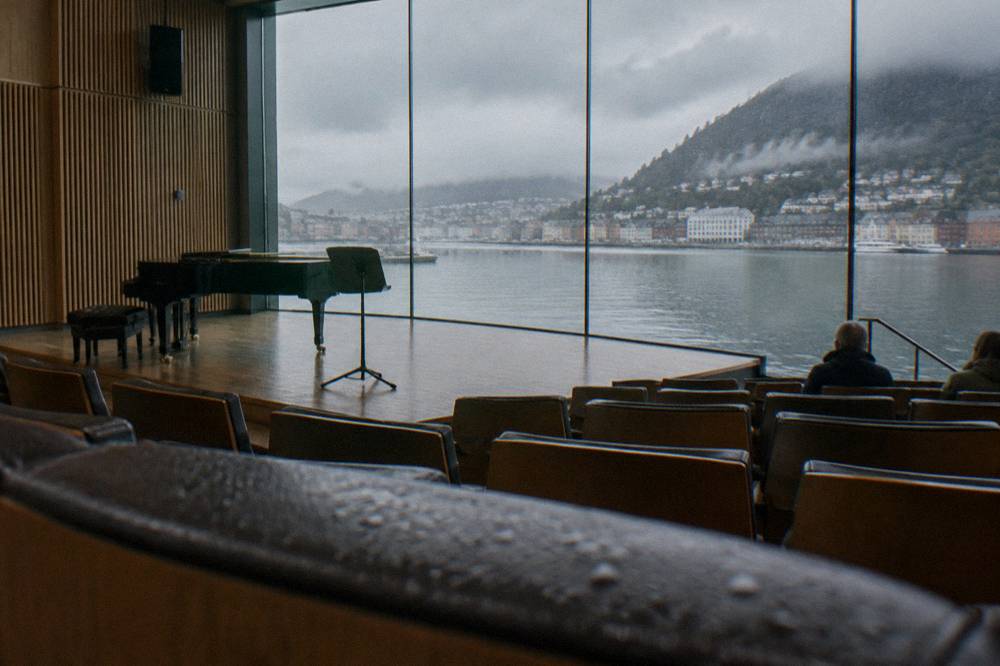
What surprises many visitors is how intimate the whole site feels. The villa is a family house, not a palace; the composer's hut is barely bigger than a garden shed; and the tomb is simply a door in the rock, facing the water. The Troldsalen, by contrast, is deliberately modern, a concert hall sunk into the hillside so its audience looks out through a glass wall toward the lake. Together they compress a composer's entire working life into a walk of a few hundred metres.
Bergen's music institutions still revolve around him. The city's main concert venue is named Grieg Hall, the international orchestra carries his name, and the Bergen International Festival each spring opens with repertoire he helped define. Troldhaugen is the anchor for all of it, and a visit explains the local obsession better than any concert programme.
Where Is Troldhaugen, And How Do You Get There From Bergen City Centre?
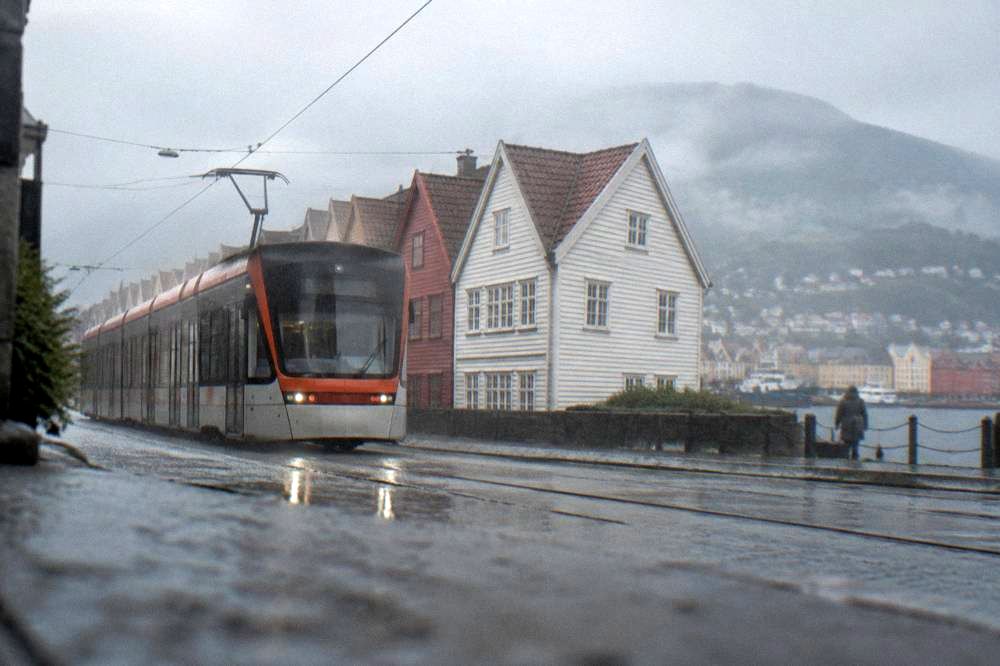
Troldhaugen sits in the Hop neighbourhood of the Fana district, on the shore of the Nordåsvannet lake south of Bergen city centre, reachable on the same Skyss bus and Bybanen light-rail network that serves the rest of the city. A single zone A ticket costs 51 NOK, and the Bergen Card covers Skyss buses and the Bybanen across Vestland county, including this route.
The site sits in Fana, the district south of the centre that this site also covers for the Fantoft stave church, and the two pair naturally on a half-day trip out of the centre. The lake at the heart of it, Nordåsvannet, is one of Bergen's larger bodies of water, and the promontory gives the villa its calm outlook across to wooded hillsides.
Getting there is a matter of ordinary city transport rather than a special excursion. The Skyss network sells a single zone A adult ticket at 51 NOK, a figure confirmed on both the visitbergen.com travel page and the 2026 Bergen Card flyer. The Bergen Card, which this site covers in depth in its planning pages, includes free travel on Skyss buses and the Bybanen light rail throughout Vestland county, so a cardholder rides without buying anything extra.
| Option | Cost | Notes |
|---|---|---|
| Skyss single ticket, zone A | 51 NOK | Standard adult fare for city buses and light rail |
| Bergen Card 24h | 400 NOK adult / 100 NOK child | Includes free Skyss buses and Bybanen across Vestland county |
| Bergen Card 48h | 500 NOK adult / 125 NOK child | Same transport coverage, longer validity |
| Taxi from city centre | Price not fixed in any sourced material | Not a fixed-route fare; agree the price before setting off |
One planning point deserves emphasis. Bybanen maintenance is scheduled for parts of summer 2026: line 1 is suspended between Slettebakken and Byparken from 29 June to 26 July, and line 2 between Kaigaten and Bergen busstasjon from 29 June to 12 July, with replacement buses running. If your visit falls inside that window, the Skyss journey planner is the tool to check before you leave, since replacement services change connection times around the city centre.
Cyclists and walkers will find that the trip south runs through residential districts rather than dramatic scenery, but the lake shoreline close to Troldhaugen itself offers flat, gentle paths for stretching legs before or after a visit. Allow a half-day if you want the visit unhurried rather than a rushed stop between two bigger sights.
What Can You See Inside The Troldhaugen Museum Site?
The Troldhaugen visit covers four parts: the villa interior, kept as a period home with Grieg's own piano and furnishings; the composer's hut at the water's edge, left as a workspace; the museum building, which tells the composer's life story; and the rock tomb above the shoreline where Edvard and Nina Grieg rest. The Troldsalen concert hall sits alongside as the site's performance venue.
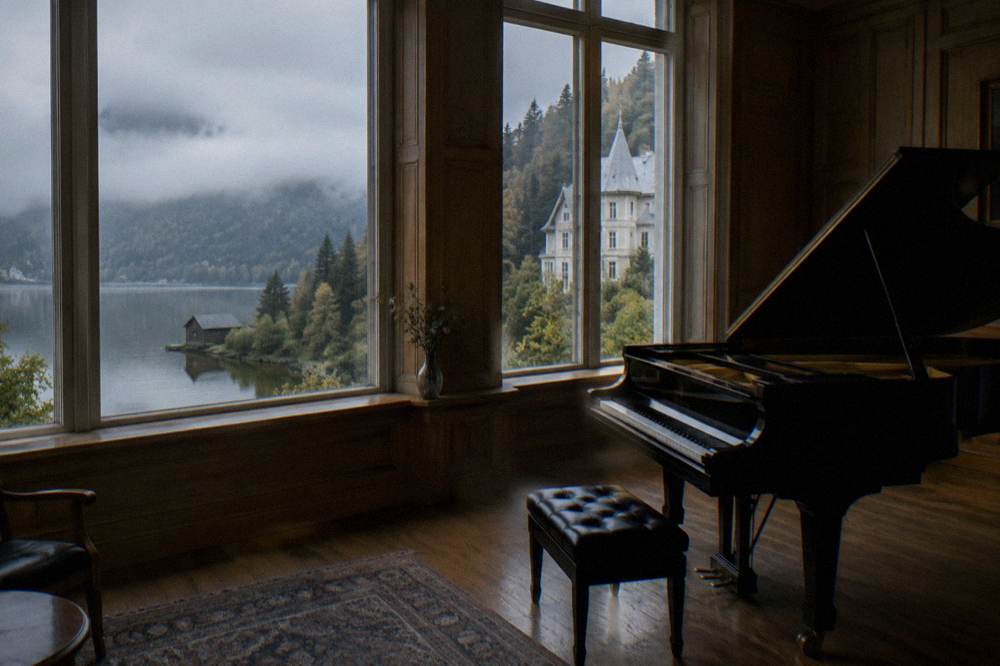
The villa is the emotional centre. Rooms are arranged much as the Griegs kept them, a family home rather than a showpiece, and the objects on display are the couple's own: furniture, portraits, and above all the composer's piano, the instrument around which the whole house was organised. Guides and printed interpretation keep the story grounded in the couple's daily life here rather than in grand musical theory.
The hut is the site's quiet masterstroke. Grieg worked there alone, a short walk downhill from the house, and it survives with the desk, the chair and the view that figured in his working day. Visitors tend to linger longer here than anywhere else on the grounds, because the room answers the question every music lover arrives with: where, exactly, was this music written?
The museum building handles the biography. Displays trace Grieg from his Bergen upbringing through his studies, his marriage to the singer Nina Hagerup, his summers of composition and his standing in European musical life. The tomb, cut into the rock with the lake below, ends the visit in silence. It holds both composers' ashes, and many visitors treat it as the point of the whole trip.
The Bergen Card's own 2026 flyer lists the city's major attractions with their card prices, and a card covering your whole stay is worth comparing against the single-entry admissions you would otherwise pay. For Troldhaugen itself, check the current entry price on the operator's own channel before you go, because no standalone figure for this site is carried in the verified price data used by this guide, and this site does not print numbers it cannot source.
What Are Concerts At The Troldsalen Like?
The Troldsalen is Troldhaugen's chamber-music hall, built into the hillside beside the villa so audiences hear Grieg's music metres from where it was composed, with a glass wall looking out over the Nordåsvannet lake. Concert programming centres on Grieg's own works and the Norwegian repertoire he influenced, and the venue hosts performances through the concert season alongside festival appearances.
The design decision behind the hall is what makes it distinctive. Rather than a civic auditorium, the Troldsalen keeps the scale of the house: a chamber venue, close to the performers, with the lake framed behind the stage. Hearing piano or song in that setting, with the same shoreline Grieg looked at while writing, is the closest the site comes to its purpose.
Timing a visit around a performance takes planning, but the pay-off is real. The Bergen International Festival, which runs 27 May to 10 June in 2026 and 26 May to 12 June in 2027 for its 75th jubilee edition, uses venues across the city, and the festival fortnight is when chamber programming across Bergen, including sites like this one, is at its densest. Outside festival weeks, the hall runs its own season, and booking ahead through the venue's official channels is the reliable way in, since seats are limited by the room itself.
Visitors who cannot align with a concert should not feel short-changed. The grounds, the hut and the museum carry the site's meaning on their own, and the Troldsalen can be appreciated as architecture even from outside a performance.
A concert evening also changes your logistics: transport back to the centre later in the day needs checking against Skyss timetables, and the Bybanen and bus connections that serve Fana continue into the evening, though exact last-departure times should be confirmed on the Skyss planner rather than assumed. This is one occasion when a little schedule homework genuinely improves the visit.
When Is The Best Time Of Year To Visit Troldhaugen?
The best time to visit Troldhaugen is late spring through early autumn, roughly May to September, when the grounds around the Nordåsvannet shoreline are fully open, the composer's hut and lakeside paths can be enjoyed outdoors, and Bergen's climate runs at its mildest, with July 2026 averaging 14.9 C and June 14.4 C in Met Norway's recorded data for the city.
Bergen's weather is temperate oceanic and wetter than most of Norway, so the calendar matters more here than in drier destinations. The trailing 13 months of Met Norway data for the Bergen station show how the year runs: July averaged 14.9 C, June 14.4 C, and the colder months drop to a January average of -1.4 C, with rain falling on 217 days across the same period. None of that makes a bad visit, but it decides whether you linger on the shoreline path or hurry indoors. More of these guides are collected on Bergen Travel Guide.
| Month | Mean temp (observed) | Precipitation (observed mm) |
|---|---|---|
| April | 7.9 C | 65.9 |
| May | 9.9 C | 127.4 |
| June | 14.4 C | 165.7 |
| July | 14.9 C | 184.2 |
| August | 14.3 C | 243.6 |
| September | 13.1 C | 206.6 |
April stands out in that table as the driest recorded month by a wide margin, at 65.9 mm against a September figure of 206.6 mm, while August carries more rain despite similar warmth. Late May and June bring the festival fortnight and the longest days of the Bergen year. The site's outdoors appeal, the hut, the tomb walk, the lake views, rewards the drier end of that range.
Winter visits have their own logic. The villa and museum remain the heart of the experience when the grounds are wet, and a dark December afternoon around the lake has an atmosphere the summer crowds never see. Bergen's Christmas season adds the Pepperkakebyen gingerbread city, running 14 November 2026 to 10 January 2027, and the Bergen Christmas Market at Festplassen from 20 November to 22 December 2026, both of which pair well with an indoor cultural stop.
Can You Combine Troldhaugen With Other Bergen Attractions?
Yes, and the natural pairing is Fantoft stave church, which stands in the same Fana district and makes a clean half-day loop out of the city centre, while a full day can add the mountains, with Fløibanen returning 200 NOK in the April-September season and Ulriken643 at 435 NOK return, prices confirmed on the 2026 Bergen Card flyer and the operator's own pages.
Start with Fana itself. The Fantoft stave church is the district's other headline sight, a relocated medieval-style stave church surrounded by woodland, and it lies close enough to Troldhaugen that the two share a morning comfortably. Add the lake paths around the Nordåsvannet and you have a district itinerary that shows a side of Bergen most day-trippers never reach: quiet, residential, wooded, with the city's cultural history tucked between the trees.
For a city-and-music day, come back through the centre. The Hanseatic past at Bryggen and the museum quarter near it explain the trading city Grieg grew up in, and the Hanseatic Museum prices at 160 NOK, with Bryggen Museum at 170 NOK ordinary or 85 NOK on the Bergen Card, both figures from the 2026 Bergen Card flyer. Haakon's Hall at the Bergenhus fortress lists at 120 NOK, and the KODE art museums appear in the same flyer at 200 NOK as the card price.
| Attraction | Ordinary adult price | Bergen Card price |
|---|---|---|
| Hanseatic Museum | 160 NOK | Listed in flyer |
| Bryggen Museum | 170 NOK | 85 NOK |
| Haakon's Hall | 120 NOK | Listed in flyer |
| KODE Art Museums | Not independently confirmed | 200 NOK |
| Bergen Aquarium | 380 NOK (1 Nov-28 Feb) / 415 NOK (1 Mar-31 Oct) | Listed in flyer |
The mountains make a different kind of pairing. The Fløibanen funicular to Fløyen lists a 200 NOK adult return between 1 April and 30 September, dropping to 145 NOK for the 1 October to 31 March window, while the Ulriken643 cable car confirms a 435 NOK adult return on its own pricing page. Both mountains appear across this site's guides to the city's viewpoints, and either works as the afternoon counterweight to a Troldhaugen morning.
| Mountain transport | Season / window | Adult return price |
|---|---|---|
| Fløibanen funicular | 1 Apr - 30 Sep | 200 NOK |
| Fløibanen funicular | 1 Oct - 31 Mar | 145 NOK |
| Ulriken643 cable car | Year-round, scheduled maintenance weeks 1-2 of 2026 with reopening around 13 January | 435 NOK |
One maintenance note matters for mountain plans: Ulriken643's own pages confirm a scheduled closure in the first two weeks of 2026 for maintenance, with reopening around 13 January, so anyone planning a January combination visit should check the operator's status before committing the day.
How Much Time And Money Should You Budget For Troldhaugen?
Plan a half-day for the visit itself, two to three hours on site plus travel from the centre, and budget a 51 NOK Skyss single or a Bergen Card at 400 NOK for 24 hours up to 700 NOK for 96 hours, which also covers transport and discounts or entry across the city's museums. Troldhaugen's own entry price is not published in this guide's verified data, so check the site's official channel before you go.
The honest budgeting picture is that Troldhaugen sits inside a wider spending decision. Almost nobody visits Bergen for one sight, and the Bergen Card arithmetic works precisely because the card bundles transport with attraction entry or discounts. A 24-hour card at 400 NOK covers Skyss buses and the Bybanen across the whole county, which already includes the ride out to Fana, and adds card prices at museums across the city.
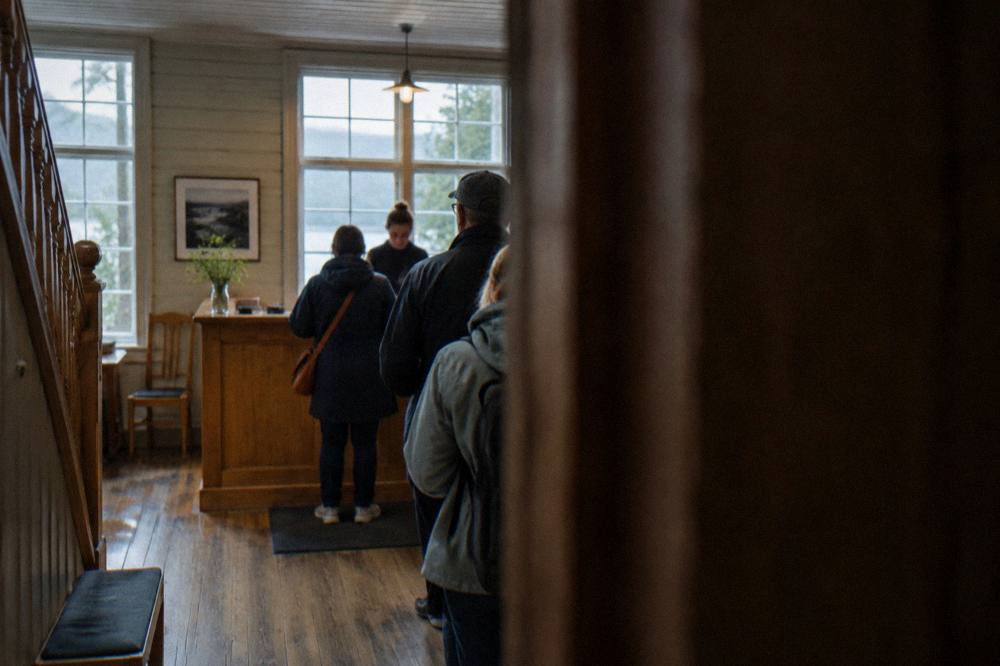
Time is easier to budget than money. Two hours lets you see the villa, the museum and the hut without rushing; three lets you add the shoreline walk and the tomb at a pace the site deserves. Travel each way from the centre adds the rest of the half-day, and anyone stretching the visit into an evening concert should treat the schedule as a full day.
| Budget line | Figure | Source basis |
|---|---|---|
| Skyss single, zone A | 51 NOK | visitbergen.com travel page and 2026 Bergen Card flyer |
| Bergen Card 24h | 400 NOK adult / 100 NOK child | Official 2026 Bergen Card flyer |
| Bergen Card 96h | 700 NOK adult / 175 NOK child | Official 2026 Bergen Card flyer |
| Fløibanen return (Apr-Sep) | 200 NOK | 2026 Bergen Card flyer ordinary-price table |
| Ulriken643 return | 435 NOK | ulriken643.no pricing page |
What Should Music Lovers Know Before Visiting Troldhaugen?
Music lovers should know that Troldhaugen is first and foremost a working site of musical pilgrimage, not a stately home: the piano Grieg played is here, the hut he composed in is here, and the Troldsalen programs his repertoire beside the lake he watched, so the visit rewards preparation, listening to the Lyric Pieces and Peer Gynt suites beforehand turns a pleasant museum stop into something with a soundtrack you already know.
Preparation is a real multiplier here. Visitors who arrive knowing Peer Gynt find that the site explains the music's Norwegianness: the lake, the woods, the troll folklore in the name itself, all feed into the sound world Grieg built. Those who arrive cold still enjoy a beautiful house, but they hear less of what the place is trying to say.
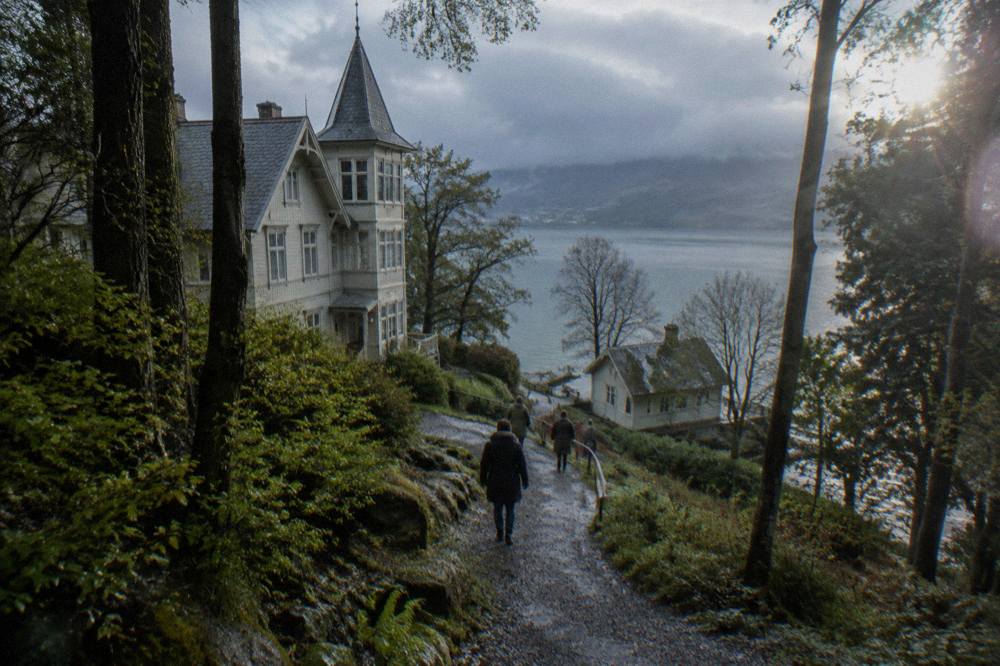
The site also rewards patience at the hut. Photographs and quiet observation work here; audio guides piped loudly do not, because the whole point of the hut is its stillness. Families with children usually find the villa and museum manageable and the grounds excellent for letting off energy, and the mix of indoors and outdoors makes the site one of the easier cultural stops to visit with kids in tow, a topic this site covers separately in its family guide.
For visitors whose Bergen trip is really a music-and-fjord trip, the pairing works both directions. Grieg's music is inseparable from the western Norwegian landscape, and a morning at Troldhaugen followed by a day on the water closes the circle. The Bergen to Flam "The King of Fjords" one-way or round-trip cruise ticket is one way to make that second half happen, riding the Sognefjord's long stretch between Bergen and Flåm: Check availability.
How Does Troldhaugen Fit Into a Longer Bergen Itinerary?
In a two or three day Bergen itinerary, Troldhaugen works best as the anchor of a Fana half-day paired with Fantoft stave church, leaving the city centre's Bryggen, museums and mountains for the remaining blocks, while a five-day or fjord-focused itinerary can push the Fana morning to the final days, using it as the quiet close after the louder fjord excursions have been done.
The reason for sequencing it this way is rhythm. Bryggen, the fish market, the funicular and the day-long fjord trips are high-energy, crowd-heavy blocks, and they dominate the first two days of most itineraries. Troldhaugen is the opposite register: a lakeside walk, a small house, a quiet tomb. Placing it late lets it land as a counterpoint, and placing it in a half-day slot with Fantoft keeps the logistics simple.
For visitors using the four-day Bergen Card at 700 NOK, the arithmetic favours exactly this structure: two heavy sightseeing days in the centre, a Fana half-day, and a mountain or fjord block, all inside one card window with transport included. Visitors planning bigger loops through the fjord country, Flåm, the Sognefjord and the railway, will find this site's day-trip guides built around those routes, and the self-guided round-trip options cover the classic Norway in a Nutshell shape.
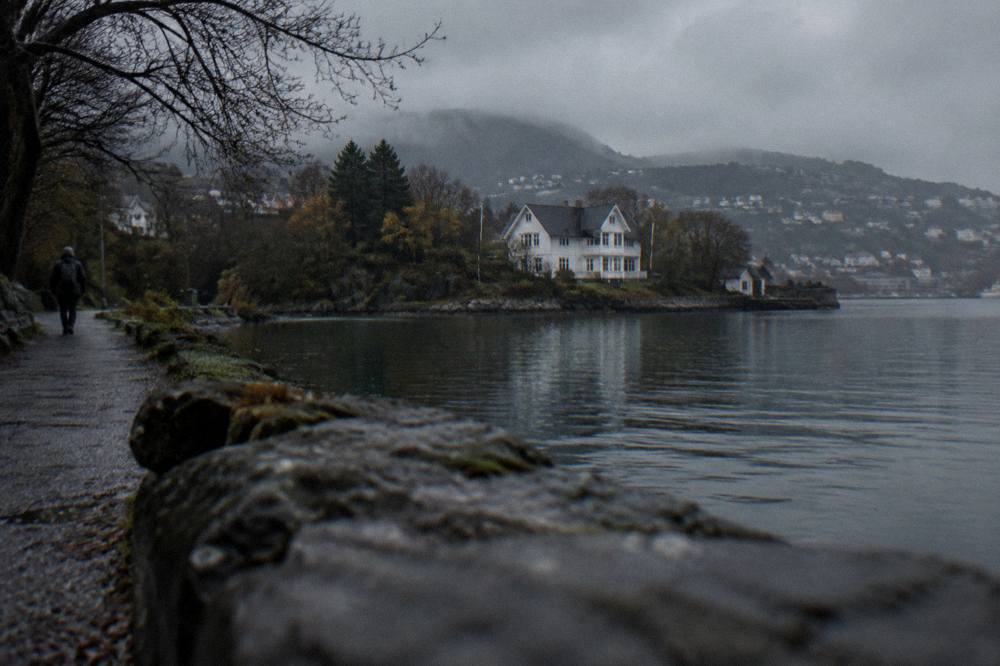
A note on seasons and expectations: the grounds do the heavy lifting in summer, the villa and museum in winter, and the tomb in any weather. Bring the rain layers this site's packing pages recommend, accept that a Bergen day may include water from the sky, and treat the lake in any condition as part of the composition.
Common Questions About Troldhaugen
Where Is Troldhaugen, and How Do You Get There From Bergen City Centre?
Troldhaugen is in the Hop neighbourhood of the Fana district, south of Bergen city centre, on the shore of the Nordåsvannet lake. It is reached on the ordinary Skyss bus and Bybanen network, with a zone A single at 51 NOK or free travel with the Bergen Card.
What Can You See Inside the Troldhaugen Museum?
The site holds the preserved villa with Grieg's piano and furnishings, the composer's lakeside hut, a museum telling his life story, the Troldsalen concert hall and the rock tomb where Edvard and Nina Grieg rest.
What Are Concerts at the Troldsalen Like?
The Troldsalen is a chamber-music hall built into the hillside beside the villa, with a glass wall overlooking the lake, programming Grieg's own repertoire and the Norwegian tradition he shaped. Booking through the venue's official channels is advised, as the room is small by design.
When Is the Best Time of Year to Visit Troldhaugen?
May to September is the best window, when the grounds, hut and shoreline paths are fully enjoyable and Bergen's averages run at their mildest, with July 2026 recording a 14.9 C mean. Winter visits centre on the villa and museum and pair well with Bergen's Christmas season.
How Much Time and Money Should You Budget for Troldhaugen?
Budget a half-day, two to three hours on site plus travel each way. Transport is 51 NOK for a Skyss zone A single or covered by the Bergen Card, which runs from 400 NOK for 24 hours to 700 NOK for 96 hours. Troldhaugen's own entry price is not published in this guide's verified data, so check the official channel before visiting.
Can You Combine Troldhaugen With Other Bergen Attractions?
Yes. Fantoft stave church sits in the same Fana district and makes a natural pairing, while the city centre's museums, Bryggen and the Fløibanen and Ulriken643 mountain transport round out a fuller day.
Troldhaugen is the quietest of Bergen's major sights and, for many visitors, the one they remember longest: a small house, a smaller hut, a tomb in the rock, and a lake that carries the music across it. Plan the transport with the Skyss planner, pick a dry month if you can, and give the shoreline the last hour of your visit.