Kode Bergen
Kode Bergen sits in the heart of Norway's west-coast port city, and its Bergen Card price, its season windows and its location beside the historic harbour make it one of the easiest major museums to plan for in Vestland county.
Short answer
Kode Bergen is the city's combined art museum on the waterfront in the centre of Bergen, Norway. The 2026 Bergen Card flyer lists admission at 200 NOK for card holders in both the free-admission window (1 October to 30 April) and the discounted summer window (1 May to 30 September).
Kode Bergen is the umbrella name for the art museums that stand along the harbour front in the centre of Bergen, a former Hanseatic League trading post in Vestland county on the southwestern coast of Norway. The museum's own ordinary standalone adult price is not something this site will guess, and the one figure a primary source does confirm is the 200 NOK line the official 2026 Bergen Card flyer prints for Kode. That single verified number, plus everything the flyer, visitbergen.com and yr.no say around it, is what this guide works from. What follows is a planning page: what the card covers, how the seasons change the value, how to reach the galleries on Bergen's light rail and buses, and how to fold a museum visit into a day that also takes in Bryggen, the fish market or a fjord.
What Is Kode Bergen And Where In Norway Is It?
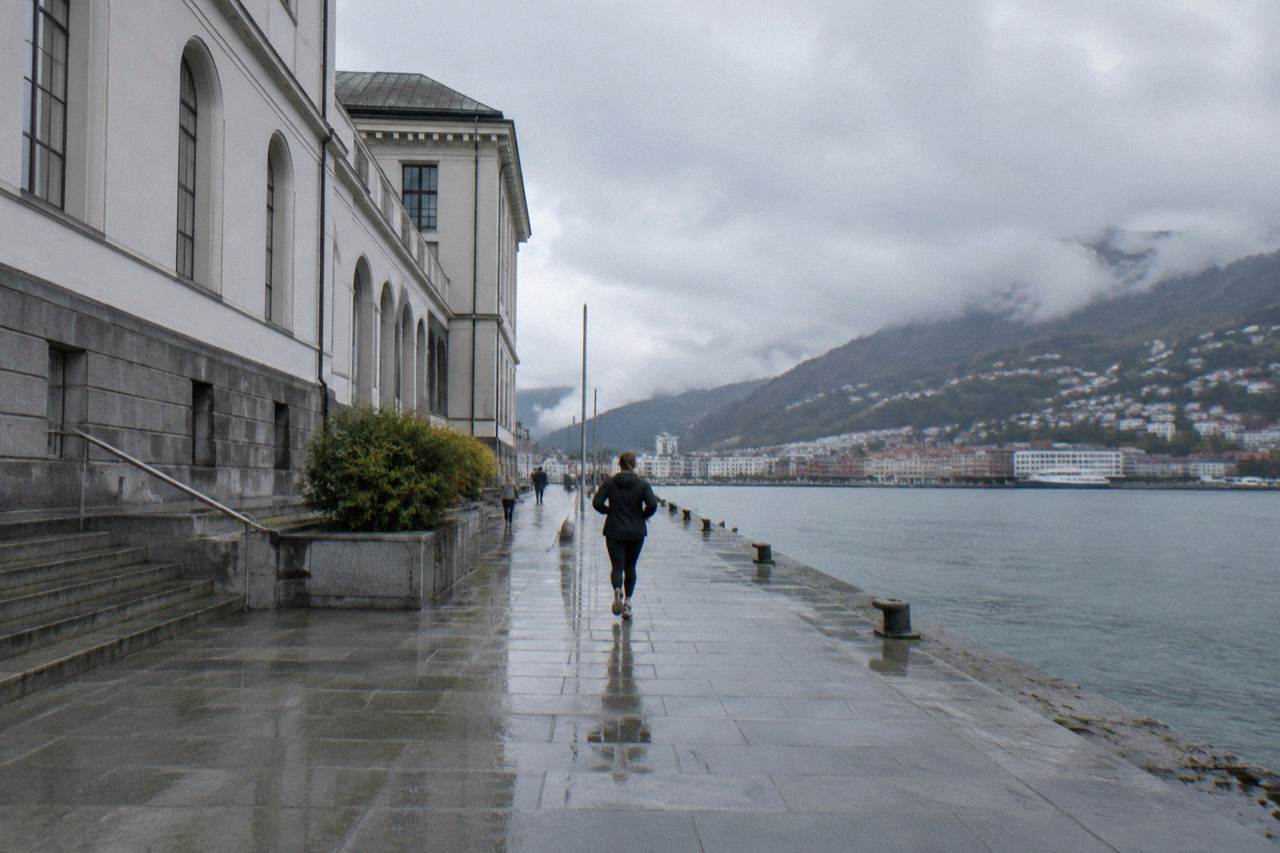
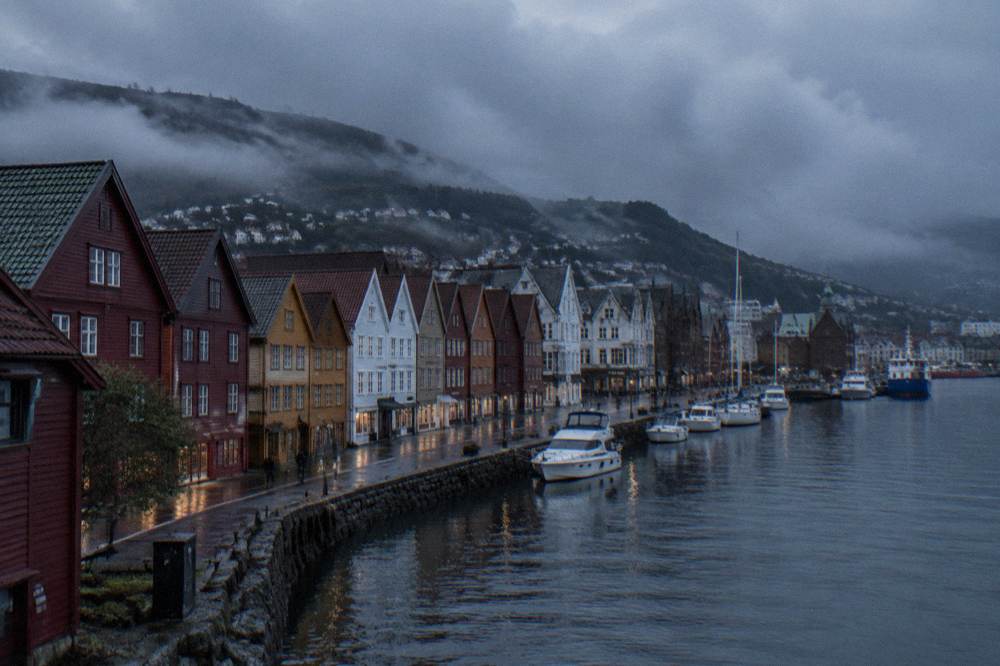
Kode Bergen is the combined art-museum institution that stands on and around the historic waterfront in central Bergen, a city and municipality in Vestland county on Norway's southwestern coast. Its galleries sit a short walk from Bryggen, the UNESCO-listed Hanseatic wharf inscribed in 1979, which makes it one of the few major Nordic art museums you can reach on foot from a cruise berth, a fish market and a funicular all in the same afternoon.
The location is the practical headline. Bergen's city centre is compact, and the museum's position beside the harbour means visitors can arrive on foot from Bryggen or the fish market rather than by dedicated transport. The city itself had 294,860 residents as of 1 January 2026, according to the kommune's own population page, and the museum district sits inside that walkable core rather than in a suburban campus. For anyone staying in the centre, the galleries function almost as a neighbourhood attraction: an hour indoors between a harbour walk and lunch, or a full afternoon if the rain arrives.
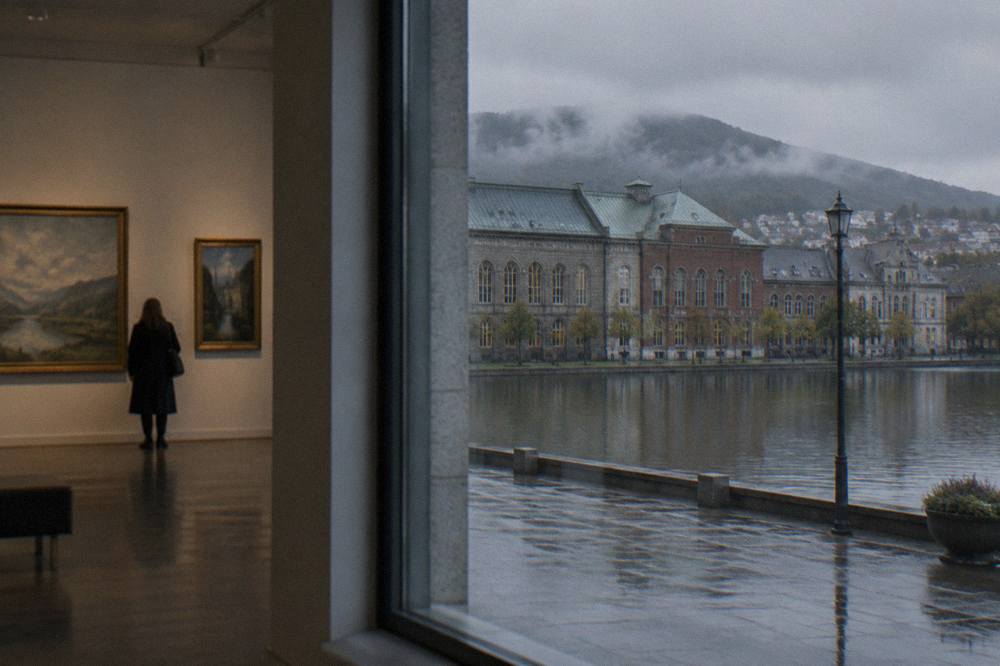
Rain, in fact, is a genuine planning variable here. yr.no's Bergen station table, which carries Met Norway data, shows 217 days with precipitation across the trailing 13 months, with monthly totals ranging from 65.9 mm in April 2026 to 321.8 mm in November 2025. A museum of this scale matters in a city where the outdoors is wonderful but reliably wet. This Bergen Travel Guide page treats Kode as a weather hedge as much as a cultural stop, because that is how most visits to it actually play out.
How Much Does Kode Bergen Cost With The Bergen Card?
The official 2026 Bergen Card flyer lists Kode at 200 NOK for card holders in both admission windows: free admission from 1 October to 30 April, and a 25 percent discount from 1 May to 30 September, applied to an ordinary price the flyer does not show. A 24-hour card costs 400 NOK for an adult and 100 NOK for a child aged 3 to 15, with longer options up to 700 NOK, and the card also covers free Skyss buses and Bybanen light rail county-wide.
The seasonal split is the detail worth understanding before you buy anything. Between October and April the card simply gets you in; the flyer's own line item prices the visit at 200 NOK for card holders, the same figure it prints for the summer window. In the May-to-September window the card works as a 25 percent discount instead, applied to an ordinary price that neither the flyer nor kode.no confirmed. So if you are visiting in shoulder season and museum-heavy days are your plan, the arithmetic tilts further in the card's favour from 1 October onward, and that is a matter of published windows, not opinion.
The card's transport coverage changes the museum's cost too. The flyer confirms free Skyss buses and the Bybanen light rail across the whole county, including the airport line, so a card holder can reach the galleries from further afield without a separate ticket. The card's own price ladder is fixed and published, which makes budgeting for a museum-plus-transport day unusually tidy:
| Bergen Card option | Adult (NOK) | Child 3-15 (NOK) |
|---|---|---|
| 24 hours | 400 | 100 |
| 48 hours | 500 | 125 |
| 72 hours | 600 | 150 |
| 96 hours | 700 | 175 |
What the card does not cover is worth noting as well. The flyer is explicit that Flybussen, the airport coach, is not included free, and no Flybussen fare is quoted here. For the Bybanen from the airport the card does work, though no journey time in minutes is confirmed from a primary source, so none appears here.
How Do You Get To Kode Bergen From The City Centre?
Many visitors reach Kode Bergen on foot from the historic core, because the museum stands beside the harbour within central Bergen, Norway, and the nearest major landmarks, Bryggen and the fish market, are a short walk away. For anyone starting further out, the Bybanen light rail and Skyss buses serve the centre across zone A, where a single adult Skyss ticket costs 51 NOK, and the Bergen Card covers both the buses and the light rail county-wide, including the airport line.
The verified transport facts are few but solid. The Skyss zone A single adult fare of 51 NOK is confirmed by visitbergen.com's own travel information page and echoed on the Bergen Card flyer's transport line. The Bybanen's line 1 runs between Bergen Airport Flesland and the city centre, and it is the cheapest airport transfer once a Bergen Card is in your pocket. No minutes figure for that run appears in any fetched primary source, so this guide prints none, and any planning should use the Skyss travel planner for live timings.
There are 2026 maintenance windows worth checking before you build a day around the light rail. Bybanen line 1 was suspended between Slettebakken and Byparken from 29 June to 26 July 2026, with replacement buses running from the Lagunen or Nesttun terminals, and line 2 was suspended between Kaigaten and Bergen busstasjon from 29 June to 12 July for roadworks. The Nonneseter stop has also been closed in the direction away from the centre since 23 February 2026 because of a nearby demolition. None of these are permanent changes, but a summer visitor connecting the museum to an airport run should check skyss.no on the day.
| Getting to central Bergen for the museum | What the sources confirm | Notes |
|---|---|---|
| On foot from Bryggen | Central, walkable harbour-front location | Bryggen is UNESCO-listed, inscribed 1979 |
| Bybanen light rail line 1 | Airport-to-centre line, free with the Bergen Card | No journey time in minutes confirmed |
| Skyss bus, zone A | Single adult ticket 51 NOK | Confirmed on visitbergen.com |
| Bergen Card transport perk | Free Skyss buses and Bybanen across Vestland | Includes the airport line |
| Flybussen airport coach | Not included free with the card | Fare not published |
A guided walk is another way to anchor yourself in the centre before or after the galleries. The city's paid walking tours cover the historic core, and the free, tip-based walks booked through GuruWalk cover the same ground with a local guide. Pairing a morning walk with an afternoon among the paintings is one of the more natural day shapes Bergen offers.
Which Bergen Museums Sit Closest To Kode?
Kode Bergen is the anchor of a museum cluster around the harbour, and the 2026 Bergen Card flyer gives exact prices for the neighbours: the Hanseatic Museum at 160 NOK with a guided visit, Bryggen Museum at 170 NOK ordinary or 85 NOK with the card, Haakon's Hall at 120 NOK, and Kode itself at 200 NOK on the card line. A museum day here can legitimately take in four or five institutions without leaving the historic centre of Bergen, Norway.
The flyer is the single strongest price source for this cluster, published 2026-05-12 and fetched directly, and it prices roughly twenty attractions in exact NOK. That makes it possible to plan a multi-museum day with real arithmetic rather than guesswork. The Hanseatic Museum tells the merchant story of the wharf that stands beside Kode's galleries; Bryggen Museum carries the archaeology underneath it; Haakon's Hall sits inside the fortress a few minutes north along the water. Each is covered by the same card, and each price below stands on its own, so the figures never blend sources.
| Museum or sight in central Bergen | Flyer price (NOK) | Bergen Card figure (NOK) |
|---|---|---|
| Kode art museums | Standalone ordinary price not confirmed | 200 (card line) |
| Bryggen Museum | 170 | 85 |
| Hanseatic Museum | 160 (with guided visit) | Discounted on the card |
| Haakon's Hall | 120 | Discounted on the card |
| The Aquarium (Akvariet) | 380 winter season, 380/415 in the 1 Mar to 31 Oct window | Discounted on the card |
Beyond the immediate cluster, the museum visitor with a full day can extend along the peninsula. Bergen's maritime museum shares the harbour story from the seafaring side, Bergen Kunsthall is the contemporary art counterpart for anyone whose appetite outlasts the permanent galleries, and the Hanseatic Museum and Bryggen Museum round out the trading-post narrative. This site carries a dedicated page for each, so the cluster can be planned as a single museum day rather than a series of surprises.
What Is The Best Season To Visit Kode Bergen?
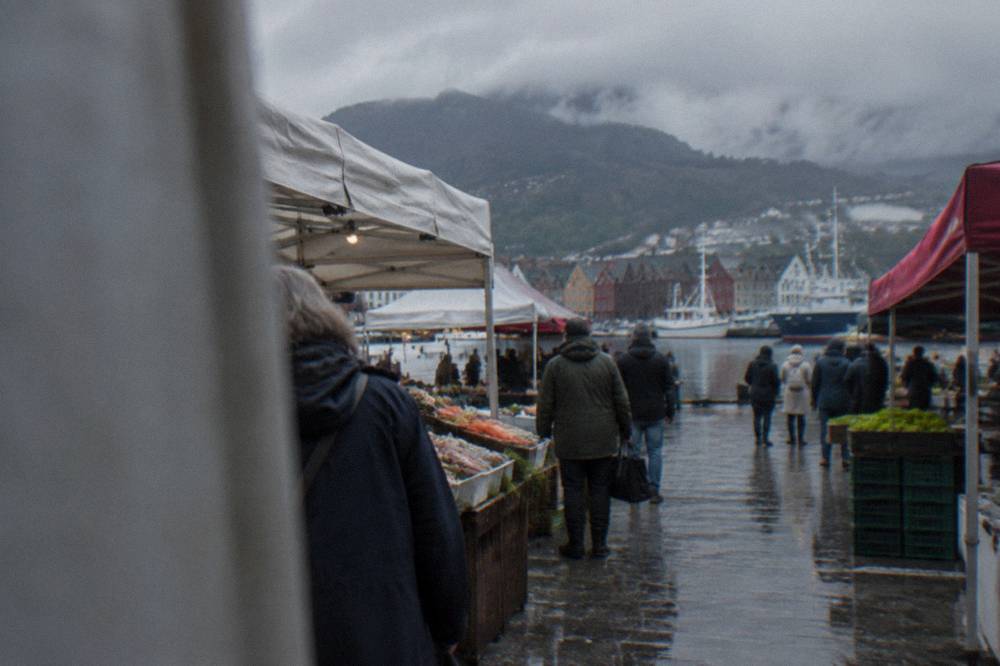
The value case for visiting Kode Bergen is strongest from 1 October to 30 April, when the Bergen Card's free-admission window applies and the flyer lists the visit at 200 NOK for card holders; from 1 May to 30 September the card instead gives a 25 percent discount off an ordinary price the flyer does not publish.
Weather matters too: yr.no's Bergen table shows November 2025 as the wettest observed month at 321.8 mm of rain, and July 2026 as the warmest at a 14.9 degree mean.
In pure value terms, the October-to-April window makes the card a straight admission pass, and the shoulder months of October and April sit at either end of it. October's observed 2025 rainfall ran 231.9 mm and April 2026's just 65.9 mm, the driest month in the whole trailing period, so April is where the free-admission window overlaps the driest streets. That is a small, genuine optimisation that a first page of search results rarely spells out, because it needs the card's windows and the climate table read together.
The festive calendar also lands inside the value window. The Bergen Christmas Market at Festplassen runs 20 November to 22 December 2026 with free entry, and Pepperkakebyen, the gingerbread city, runs 14 November 2026 to 10 January 2027. A December museum visit therefore slots between two winter events without any transport complexity, all inside the free-admission window, in a city whose December 2025 mean temperature was 5.8 degrees.
| Month (observed) | Mean temperature | Precipitation (mm) | Card window for Kode |
|---|---|---|---|
| April 2026 | 7.9 C | 65.9 | Free admission (to 30 Apr) |
| July 2026 | 14.9 C | 184.2 | 25 percent discount |
| November 2025 | 6.0 C | 321.8 | Free admission |
| December 2025 | 5.8 C | 303.5 | Free admission |
Summer has its own argument: the long festival season. The Bergen International Festival ran 27 May to 10 June 2026 and its 2027 jubilee edition runs 26 May to 12 June 2027, with Bergenfest, Nattjazz and Bergen Pride all clustered in early June. A festival-week visit pays the summer, discounted card rate, but gains a city at its liveliest, and the museum becomes the quiet half of a loud week.
Is Kode Bergen A Good Rainy-Day Plan?
Kode Bergen is one of the strongest rainy-day options in the city, because it sits at the centre of Norway's wettest major urban climate: yr.no's Bergen station table shows 217 days with precipitation in the trailing 13 months, a wettest observed month of 321.8 mm in November 2025, and no month in the entire period drier than April 2026's 65.9 mm. The galleries are indoors, central and covered by the same card as the buses that get you there.
The honest version of Bergen's weather is not a warning, it is a design brief. The same Met Norway data that makes the city famous for rain also shows a mild, temperate oceanic pattern: the observed mean never fell below minus 1.4 degrees in the trailing 13 months, and the extremes ran from minus 11.3 C on 8 January to 28.0 C on 14 August. Rain, not cold, is the variable, and a museum beside the harbour is positioned exactly for it. This site keeps a full rainy day in Bergen guide for the deeper planning, but the short version is that the museum cluster and the covered fish market between them can absorb most of a wet day.
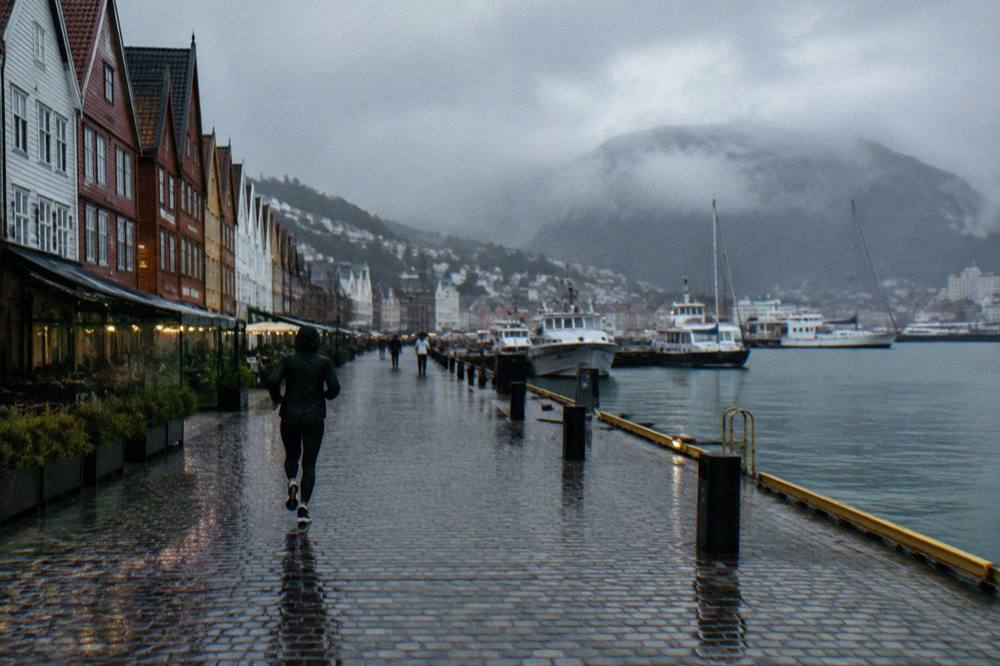
A wet afternoon also pairs naturally with the city's food. The fish market sits at the harbour end of the museum district, and the guided food walks that start from the centre make an obvious second half of a rain-interrupted day. The listing for the food tour that includes the Fløibanen funicular ride pairs indoor eating with the one mountain ascent that stays comfortable in drizzle, since the funicular itself is sheltered even when the viewpoint above is not.
How Does Kode Bergen Fit Into A Fjord Day Trip From Bergen?
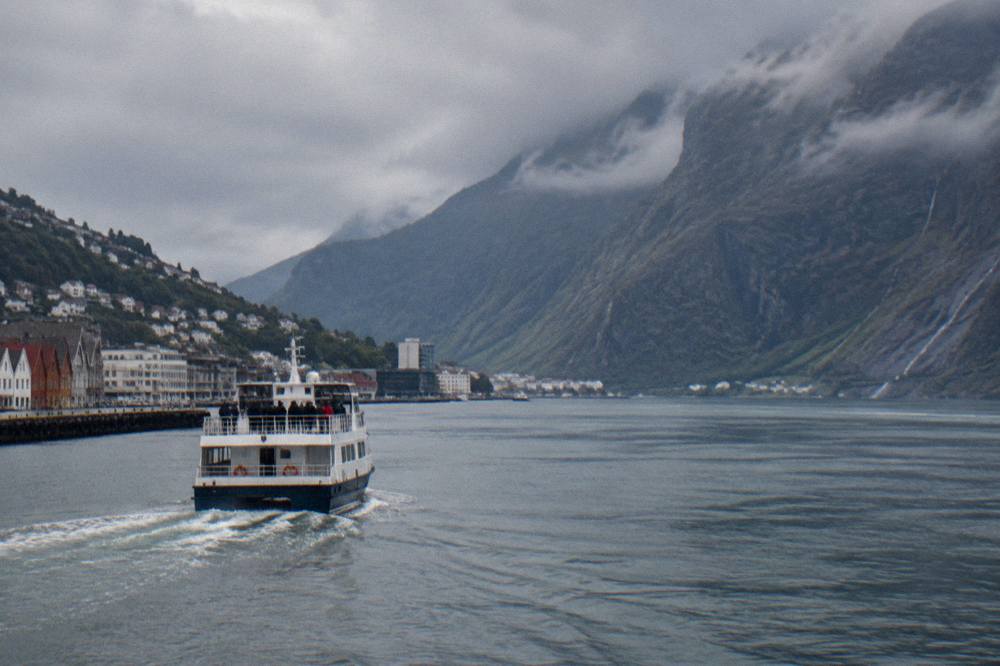
Kode Bergen pairs naturally with the fjord day trips that leave from the harbour right beside it, because the same Bergen Card that lists the museum at 200 NOK also covers the Skyss buses and Bybanen across Vestland, and the major fjord excursions from Mostraumen to Hardangerfjord and Sognefjord all depart from or near the city centre. A morning in the galleries followed by an afternoon on the water, or the reverse, is the classic two-halves Bergen day.
The fjord options split into two rough families from a museum planner's point of view. The short Mostraumen cruises run around three and a half hours and stay within reach of an afternoon, while the Sognefjord, Hardangerfjord and glacier trips consume a full day, which means the museum visit moves to the day before or the day after. This site carries dedicated guides to the Mostraumen fjord cruise, Hardangerfjord and the Norway in a Nutshell routes, so the arithmetic of hours and distances lives on those pages rather than being guessed here.
For the mountain half of the picture, Fløibanen and Mount Ulriken both sit inside the same card ecosystem. The flyer prices a Fløibanen return at 200 NOK for an adult from 1 April to 30 September and 145 NOK from 1 October to 31 March, and an Ulriken643 return at 435 NOK, with a discounted card rate for Fløibanen purchasable at the ticket office. A card holder can therefore do museum, mountain and Mostraumen-style harbour cruise on one pass, with the transport between them free.
The Ulriken ticket is the one worth booking ahead in summer, when the mountain's viewing platform draws the cruise crowds and the weather windows are shortest. Between that and the fjord boats, the museum is the flexible piece: it needs no advance slot, it sits indoors, and it absorbs whatever hours the clouds hand you.
What Should You Know Before You Go To Kode Bergen?
Before visiting Kode Bergen, know three things: the only confirmed admission figure is the 200 NOK Bergen Card line from the official 2026 flyer, and the museum's own standalone price remains unconfirmed; the best-value window for card holders runs 1 October to 30 April; and the galleries sit in central Bergen, Norway, within walking distance of Bryggen, the fish market and the Bybanen, so no dedicated transport or long journey time needs to be budgeted.
Practicalities worth checking rather than assuming: the museum's own site is the place to confirm current opening hours and any temporary gallery closures, because no opening-hours figure for KODE appears in this site's verified pack and none will be invented here. The same caution applies to VilVite, the Leprosy Museum, the University Museum and Old Bergen Museum on the wider museum circuit: no admission or hours figures for them are confirmed here either. Where a figure matters, the primary source named in each guard is the one to check on the day.
Money is simple in one respect: the currency is the Norwegian krone (NOK), never the euro, and no Bergen-specific tourist levy exists, so none is quoted. Norway is a non-EU EEA/EFTA member and a Schengen Associate, applying the Schengen acquis, and no ETIAS go-live date appears on this page because none has been independently re-verified and that date has slipped before. Tipping and card payment norms are covered on this site's dedicated money page for anyone who wants the detail.
Common Questions About Kode Bergen
What is Kode Bergen?
Kode Bergen is the combined art-museum institution on the harbour front in central Bergen, Vestland county, Norway, a short walk from Bryggen and the fish market.
How much does Kode Bergen cost?
The only admission figure this site can confirm is the 200 NOK line the official 2026 Bergen Card flyer prints for card holders, applying both from 1 October to 30 April and, as a 25 percent discount, from 1 May to 30 September. The museum's own standalone ordinary price remains unconfirmed.
Is Kode Bergen included in the Bergen Card?
Yes. The flyer lists Kode among the covered attractions, with free admission in the 1 October to 30 April window and a 25 percent discount in the 1 May to 30 September window.
Where in Bergen is Kode?
The galleries stand along the waterfront in the city centre, beside Bryggen, the UNESCO-listed wharf inscribed in 1979, within the walkable historic core.
Is Kode Bergen a good thing to do in the rain?
Yes. yr.no's Bergen station table shows 217 days with precipitation in the trailing 13 months, so an indoor, central museum is one of the most reliable plans in the city.
Can you combine Kode Bergen with other museums?
Yes. The 2026 Bergen Card flyer prices the neighbouring cluster exactly: Bryggen Museum at 170 NOK ordinary or 85 NOK on the card, the Hanseatic Museum at 160 NOK with a guided visit, and Haakon's Hall at 120 NOK, all within or beside the same harbour-front district.
The short version for any planner: buy the card for the window you are travelling in, walk to the galleries from the centre, and let the rain decide whether the afternoon belongs to the paintings or the fjord.