Fana Bergen
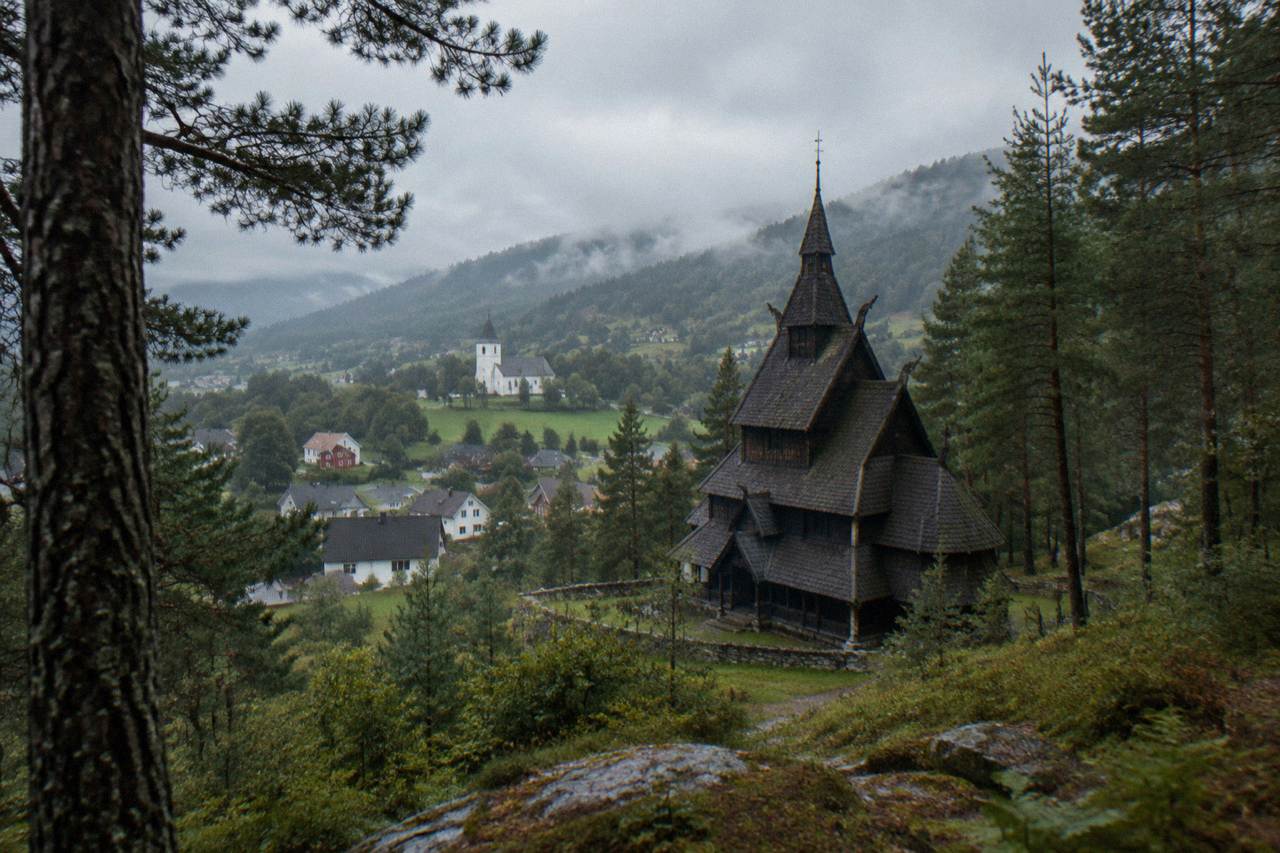
Fana is the green southern borough of Bergen in Vestland county, Norway: Troldhaugen, Fantoft stave church and the calm, residential side of the city, all within a Skyss bus or light-rail ride of the centre.
Short answer
Fana is Bergen's southern borough, about a short bus ride south of the city centre, and it holds Troldhaugen, Fantoft stave church and some of the calmest green space in the municipality.
Fana is the large borough that forms the southern part of Bergen, a city of 294,860 people (Bergen kommune, 1 January 2026) in Vestland county on Norway's southwestern coast. It is the calm side of the municipality: woodland, low hills, residential streets and two of the region's best-known sights, Troldhaugen and Fantoft stave church. Visitors tend to rush between Bergen Travel Guide's headline attractions in the centre and never realise how much of the city's character lives south of it.
This guide from our editorial desk covers what Fana actually is, what it is known for, how to reach it on Skyss buses and the light rail, what it costs, and how to fold a southern-borough half-day into a wider Bergen itinerary. Every figure below comes from a primary source, including the official 2026 Bergen Card flyer published by visitbergen.com and the yr.no climate table for the Bergen station.
Where Is Fana In Bergen, Norway?
Fana is the southern borough of Bergen, the city of 294,860 people that is the administrative centre of Vestland county on Norway's southwestern coast. It sits south of the city centre, and it is home to two of the municipality's most recognisable landmarks, the composer's home of Troldhaugen and the timbered Fantoft stave church, which is why it appears in almost every serious Bergen itinerary.
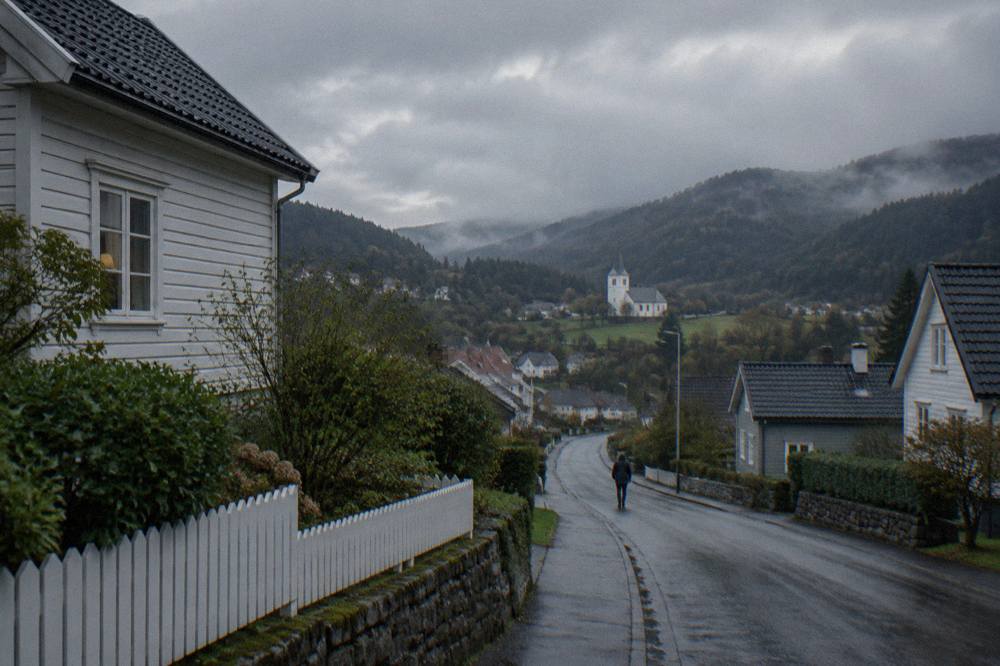
Bergen grew as a Hanseatic League trading post around the harbour, and its historic core, the Bergen City Centre, still carries that weight. Fana is the opposite of that core. It was its own municipality before Bergen absorbed it, and the name survives as a borough covering the city's southern reaches. What that means in practice is space: gardens, birch and pine woodland, and quiet roads where the centre's crowds thin out.
The borough anchors several of the site's area guides. If you have read about Sandviken north of Bryggen or the Nordnes peninsula, Fana completes the picture on the southern flank. Where Sandviken is old wooden houses stacked on hillsides, Fana is a slower, greener, more residential character. It rewards travellers who have already seen Bryggen, inscribed by UNESCO in 1979, and want a second, calmer face of the same city.
| Fact | Figure | Source |
|---|---|---|
| City population | 294,860 | Bergen kommune, 1 Jan 2026 |
| County | Vestland | Kommune structure |
| Currency | Norwegian krone (NOK) | All official price listings |
| Days with precipitation, trailing 13 months | 217 | yr.no Bergen station table |
| Mean monthly temperature range, 2025-26 | -1.4C (Jan) to 14.9C (Jul) | yr.no / Met Norway |
| Signature sights | Troldhaugen, Fantoft stave church | This site's area map |
The population figure deserves a caveat, because honesty beats tidiness here. It is the kommune-wide number for all of Bergen, not a count of Fana residents alone, and no reliable borough-level population figure is available. Treat it as the size of the city Fana belongs to, nothing more.
What Is Fana Known For? Troldhaugen, Fantoft And The Green South
Fana is known for Troldhaugen, the lakeside former home of composer Edvard Grieg that is now one of Norway's most visited composer sites, and for Fantoft stave church, the tiered timber church standing in woodland south of the centre. Together they give the borough a cultural weight that punches well above its quiet, residential feel.
Troldhaugen is the kind of sight that pulls people out of the centre. The site's full Troldhaugen guide covers it in depth: the composer's home, the museum and the small concert venue by the water. It is a museum visit, a lakeside walk and a piece of Norwegian music history in one stop, and it sits inside Fana's green landscape rather than beside a city square. Check the operator's own listing for the current entry price and opening hours before you go.
Fantoft stave church is the borough's second anchor, and it could not look more different from the brick and stone churches of the centre. It is a timber stave church of the kind Norway is famous for, with tiered roofs and carved detailing, set among mature trees. The full Fantoft stave church guide covers its history and current visiting details. As with Troldhaugen, the price to state is the one on the door or on the official listing, not one guessed here.
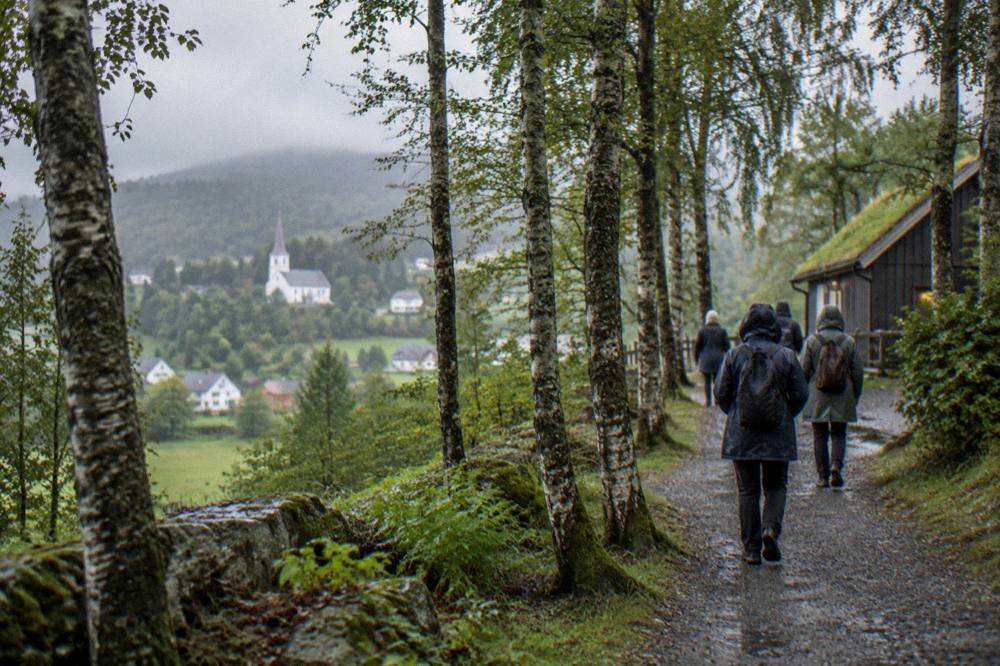
Beyond those two names, Fana is simply pleasant. Woodland walks, residential Bergen at its most liveable, and the sense that you are seeing the city Norwegians actually inhabit. That is a real reason to come, not a consolation prize.
If you would rather anchor the southern half-day with a guided product from the city, these are the current top picks from the verified roster:
One note on that third listing: the Small-Group City Walking Tour with Martin does not publish its price, so the tile carries no figure and the operator's live listing is the only place to check it.
For travellers who prefer to explore at their own pace, a self-guided audio walk is the budget-friendly bridge between a guided tour and nothing at all:
How Do You Get To Fana? Tickets, Buses And The Bergen Card
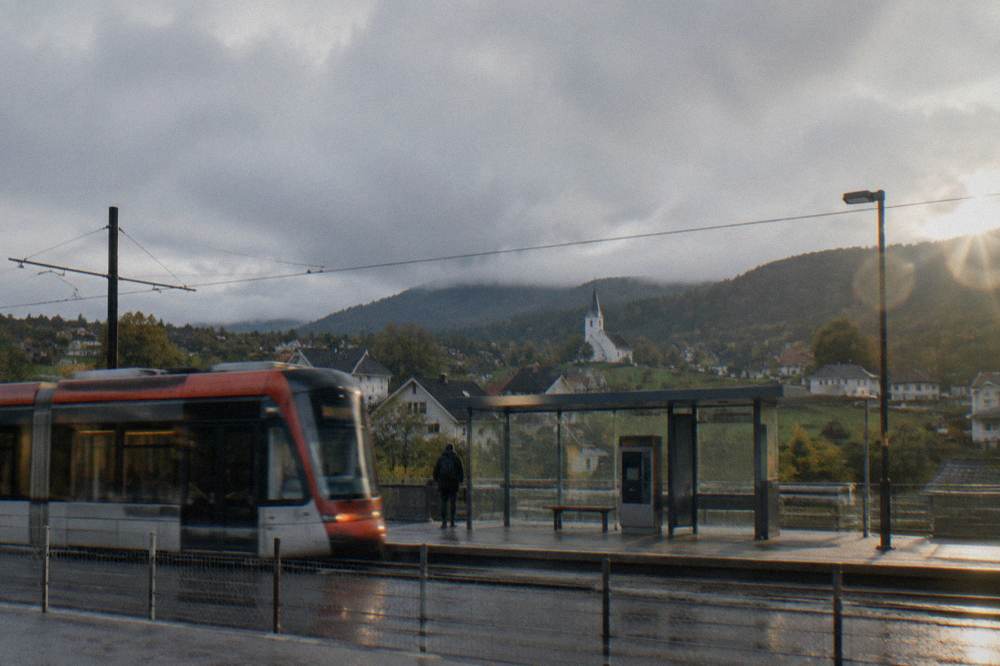
The cheapest verified way to move around Bergen and Fana is the Skyss system: a single adult zone A ticket costs 51 NOK, and the Bergen Card covers Skyss buses and the Bybanen light rail across all of Vestland county for free, including the airport line. Fana sits inside that zone system, so a Card holder reaches the borough without buying a separate ticket.
That 51 NOK figure and the Card's transport coverage both come from the official 2026 Bergen Card flyer published by visitbergen.com, which is the single strongest current primary source for this city's attraction and transport pricing. The flyer also confirms what is not included: Flybussen, the airport coach, is not free with the Bergen Card, and its fare is not stated here because the operator's own page could not be relied on. Do not trust a Flybussen number you read on a random travel blog; the operator's own site is the only place it counts.
| Bergen Card 2026 | Adult (NOK) | Child 3-15 (NOK) |
|---|---|---|
| 24 hours | 400 | 100 |
| 48 hours | 500 | 125 |
| 72 hours | 600 | 150 |
| 96 hours | 700 | 175 |
The Card decision is mostly arithmetic. If your Fana day also touches paid sights in the centre, the flyer's own line items make the maths easy: Bryggen Museum is 170 NOK ordinary and 85 NOK with the Card, the Aquarium is 380-415 NOK depending on season, and Ulriken643's return cable car ticket is 435 NOK. A 24-hour Card at 400 NOK pays for itself quickly once two or three of those stack up, and the transport inclusion is effectively thrown in.
| Transport option | Cost | Notes |
|---|---|---|
| Skyss single, zone A | 51 NOK | Cheapest verified single ticket |
| Bybanen light rail with Bergen Card | Included (0 NOK extra) | Card covers Vestland county, incl. airport line |
| Skyss buses with Bergen Card | Included (0 NOK extra) | Same county-wide coverage |
| Flybussen airport coach | Not stated (not verified) | Not included free with the Card; a discount may apply |
One planning warning worth its own paragraph. The Bybanen network has scheduled summer maintenance in 2026: line 1 was suspended between Slettebakken and Byparken from 29 June to 26 July, with replacement buses running, and line 2 had a shorter closure around Kaigaten. If your trip falls in a maintenance window, the Skyss journey planner is the authoritative place to check, not a printed itinerary from anyone, including this one.
When Is The Best Time To Visit Fana And Bergen?
The yr.no Bergen station table shows the warmest months in the trailing 13-month record were July at 14.9C mean and June at 14.4C, with the coldest at -1.4C in January 2026, so late June through August is the data-backed window for a Fana visit. But 217 days of the trailing 13 months had precipitation, so pack rain layers whenever you come.
That is the honest framing for any Bergen weather question, and it matters more in Fana than in the centre, because the borough's appeal is largely outdoor: woodland walks, Troldhaugen's lakeside grounds and the churchyard calm around Fantoft. The climate table below is the full observed record from Met Norway via yr.no, and it is the same source this site uses everywhere it talks about Bergen weather.
| Month | Mean temp (C) | Precipitation (mm) |
|---|---|---|
| Sep | 13.1 | 206.6 |
| Oct | 9.7 | 231.9 |
| Nov | 6.0 | 321.8 |
| Dec | 5.8 | 303.5 |
| Jan | -1.4 | 82.0 |
| Feb | 0.8 | 133.4 |
| Mar | 5.9 | 243.9 |
| Apr | 7.9 | 65.9 |
| May | 9.9 | 127.4 |
| Jun | 14.4 | 165.7 |
| Jul | 14.9 | 184.2 |
| Aug | 14.3 | 243.6 |
Two readings of that table are worth pulling out. November is the wettest month in the observed record at 321.8mm against a 275.0mm normal, a genuinely sodden stretch that makes an outdoor borough a harder sell. April, by contrast, came in at just 65.9mm observed against a 141.0mm normal, and while one dry month is not a promise, the shoulder season deserves a fairer hearing than it gets. The temperature extremes in the same period ran from 28.0C on 14 August to -11.3C on 8 January, which tells you the range, not what any given day will do.
Rain in Fana is not a reason to skip it, by the way. Troldhaugen's interiors and Fantoft's grounds hold up well in drizzle, and the centre's museum stock, from the Bergen Aquarium to the Bryggen Museum, is the standard wet-weather fallback. Our Rainy Day In Bergen itinerary handles exactly this case.
Where Do You Eat And Stay In Fana?
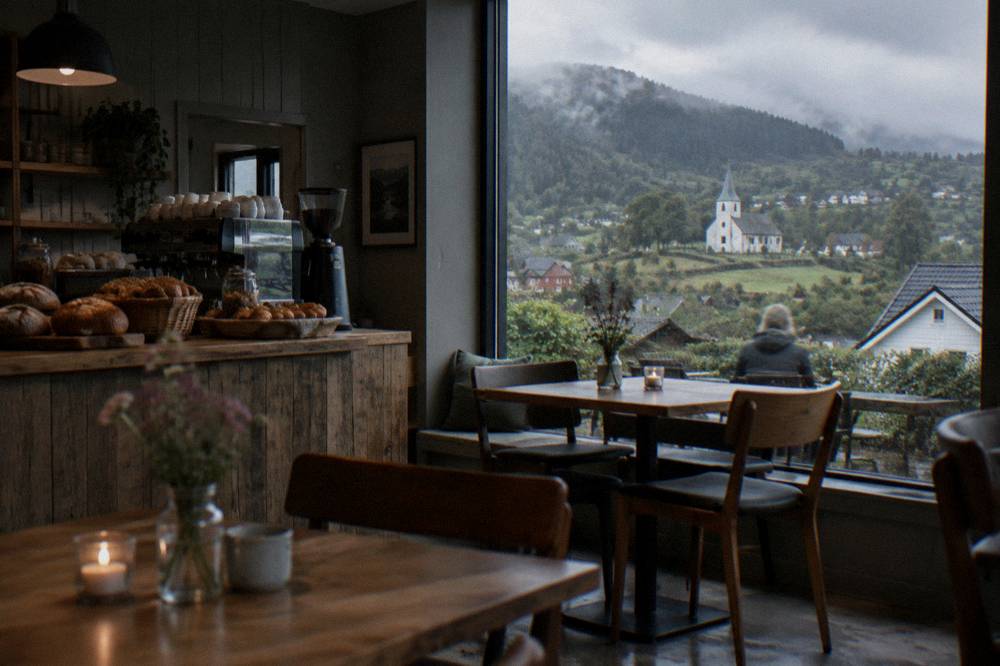
Fana is a residential borough, so eating there means neighbourhood cafés, bakery counters and small local restaurants rather than the harbour-front tourist menus of the centre, and staying there means quieter, often cheaper lodging with a short Skyss ride into the sights. No verified house-price, nightly-rate or restaurant-price figure for Fana is available, so none is printed here.
What can be said with confidence is structural: the centre's food scene, covered in our central-area and food guides, is where the concentration sits, and Fana is where Norwegians live around it. The practical pattern many people land on is sightseeing in Fana by day, then dinner back in the centre.
If food is the reason you travel, the strongest guided option in the verified roster pairs central Bergen's food stops with a ride on the Fløibanen funicular:
The taste of bergen food tour with the Fløibanen funicular is this page's featured tour because it fits the Fana pattern perfectly: a quiet southern half-day, then a guided, appetite-driven return to the centre. Want the live price and date options? Check availability on the operator's listing.
Accommodation follows the same logic. The verified hotel-inventory check for this site confirmed live listings across Booking.com, Expedia, Trip.com and Hostelworld for Bergen, including named hostels, so availability is real; but no specific nightly rate belongs on this page. Base yourself in the centre for walkability or in the south for calm, and let the booking platform's live prices make the call.
Water shapes the food culture here, and getting out on it is one of the best-value half-days in the region:
How Do You Fit Fana Into A Bergen Itinerary?
A workable pattern is a half-day in Fana on day two or three of a Bergen trip: Troldhaugen and Fantoft stave church in the morning, then back to the centre for the afternoon and evening, which is exactly the shape our Two Days In Bergen itinerary uses. On a one-day-only visit, skip Fana and stay central.
The one-day version is covered in full at One Day In Bergen, and it is honest advice to say that Fana does not belong in it. Bryggen, the Fløibanen funicular and the harbour cluster will eat a single day, and stretching to the southern borough means rushing all of it. From two days upward, Fana earns its slot, and the Two Days In Bergen plan shows where.
The pairing logic is simple: Fana's sights are cultural and quiet, so balance them with the centre's loud, beautiful, crowded half. The price table below uses the flyer-verified ordinary prices for the centre's anchor sights, the ones you would most plausibly stack onto a Fana day.
| Centre sight, to pair with a Fana day | Ordinary price (NOK) | Bergen Card price (NOK) |
|---|---|---|
| Fløibanen return, Apr-Sep | 200 | Discounted, one per card, at ticket office |
| Fløibanen return, Oct-Mar | 145 | Discounted, one per card, at ticket office |
| Ulriken643 cable car return | 435 | Discounted per flyer |
| Bryggen Museum | 170 | 85 |
| Haakon's Hall | 120 | Listed in flyer |
| Hanseatic Museum | 160 | Listed in flyer |
| KODE Art Museums | 200 (Card price; standalone not verified) | 200 |
Cruise passengers should hear a specific version of this advice. If your ship is in port for a full day, the Bergen Cruise Ship Day itinerary is built around the centre, and Fana is a poor use of limited hours. If you are staying two nights or more, the calculus flips.
For the onward journey, Fana's position in the south of the municipality makes it a natural jumping-off point before the big fjord day trips, and the verified roster of full-day products covers the region in every direction. These are the strongest current picks:
The Hardangerfjord and Sognefjord guides cover those arms of the trip in full detail, including which cruise and rail combinations make sense from Bergen.
Common Questions About Fana Bergen
What is Fana in Bergen, Norway?
Fana is the borough forming the southern part of Bergen, the city of 294,860 people in Vestland county on Norway's southwestern coast. It is known for Troldhaugen, Fantoft stave church and a quiet, green, residential character that contrasts with the historic harbour centre. It was a separate municipality before Bergen absorbed it into the wider city.
Is Fana worth visiting on a Bergen trip?
Yes, from two days in Bergen upward. Fana holds Troldhaugen and Fantoft stave church, both major sights in their own right, plus woodland and coastline that show the residential side of the city. On a one-day visit the centre deserves every hour, and Fana is better saved for a longer stay.
How do you get from Bergen city centre to Fana?
By the Skyss system: a single adult zone A ticket costs 51 NOK, and the Bergen Card includes Skyss buses and the Bybanen light rail across Vestland county for free, including the airport line. The exact journey time depends on your start point and destination within the borough, so use the Skyss journey planner for the live schedule.
How much does it cost to visit Troldhaugen and Fantoft stave church?
Neither entry price is confirmed here, so check each attraction's own listing before you go. Check each attraction's own listing before you go. The verified cost of getting there is the 51 NOK Skyss single, or nothing extra if you hold a Bergen Card, which starts at 400 NOK for 24 hours.
What is the weather like in Fana?
The same temperate oceanic climate as the rest of Bergen: yr.no's Bergen station table shows monthly means from -1.4C in January 2026 to 14.9C in July 2026, and 217 days with precipitation across the trailing 13 months. Rain layers belong in your bag in any season, and woodland walks in Fana are best in the drier spring months.
Can you visit Fana and the Bergen city centre on the same day?
Yes, that is the standard pattern. Give Fana a morning for Troldhaugen and Fantoft, then ride back for the centre's afternoon sights and dinner. The Bergen Card makes this efficient because both the transport and several centre attractions, from Bryggen Museum at 85 NOK with the Card to the funicular's discounted rate, sit on one ticket.
Fana is the part of Bergen that rewards slowing down: a composer's lakeside home, a stave church in the trees, and a borough's worth of green quiet within a 51 NOK bus ticket of the harbour. Fit it in from day two onward, arm it with a Bergen Card, and the southern half of Norway's rainiest famous city turns out to be one of its calmest corners.