Marken Bergen
Marken and Skostredet are the cobbled pedestrian lanes at the heart of Bergen, the former Hanseatic trading city in Vestland county on the southwestern coast of Norway. This guide covers what the lanes are, what you can do on them, where to eat, and how to fold them into a wider Bergen itinerary.
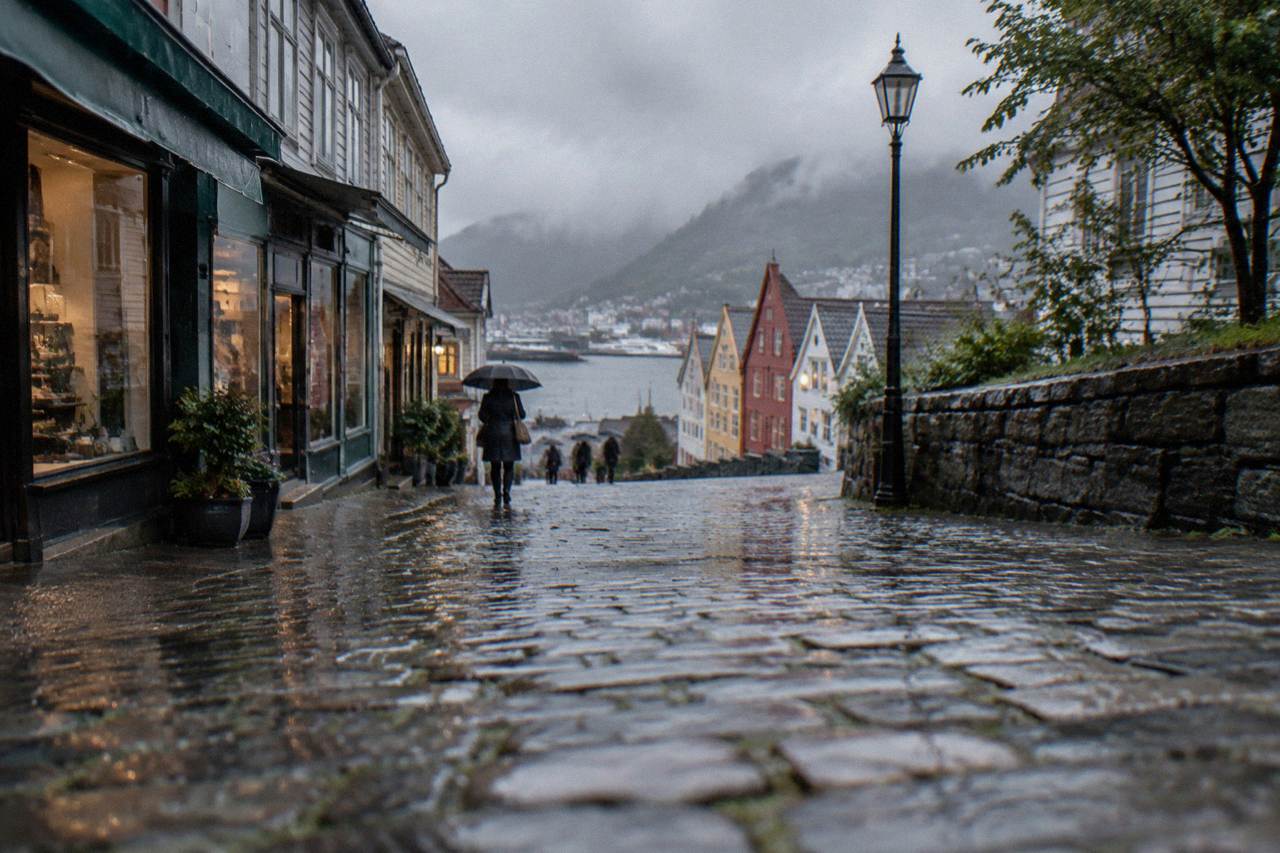
Short answer
Marken and Skostredet are two pedestrianised, cobbled shopping streets in central Bergen, Norway. Marken is the longer retail spine, Skostredet the narrower lane of independents. Both sit inside the walkable central grid between the harbour and the western hills, and they can be covered in half a day of slow shopping, cafe stops and strolls toward Bryggen.
Marken and Skostredet are the cobbled pedestrian lanes at the heart of Bergen, the former Hanseatic trading city in Vestland county on the southwestern coast of Norway. Marken runs as the district's main pedestrian shopping street. Skostredet sits alongside it, a narrower lane of small independents, coffee shops and boutiques, and together the two form the quietest, most photogenic slice of the central grid. Where the harbourfront carries the cruise crowds and the fish market queues, these lanes keep a low, cobbled pace that rewards slow walkers and anyone travelling with a camera.
This guide covers where the lanes sit, what you can actually do on them, where to eat, how they compare with Bergen's other neighbourhoods, and how to reach them. Every price on the page comes from a primary source, mainly the official 2026 Bergen Card flyer published by visitbergen.com, and anything that could not be confirmed from a primary source has been left out rather than guessed. The lanes are small, but they sit in the middle of everything, which is the whole reason to understand them before you arrive.
Where Are Marken And Skostredet In Bergen?
Marken and Skostredet are two cobbled, pedestrianised shopping streets in the centre of Bergen, the Hanseatic port city in Vestland county on Norway's southwestern coast. Marken runs as the district's main pedestrian retail spine, Skostredet sits alongside it as a narrower lane of small independents, and both sit inside the same central grid that the site's Bergen City Centre guide covers, a short stroll uphill from the harbour and the Bryggen wharf.
The two streets belong to the Sentrum core, which means almost everything a visitor comes to Bergen for sits around them in a compact ring. Bryggen, the old Hanseatic wharf inscribed on the UNESCO World Heritage List in 1979 per UNESCO's own listing, lies toward the harbour. The fish market sits on the waterfront. The Fløibanen funicular and the western hills close off the grid on one side, and the Nordnes peninsula reaches out into the fjord on the other. Marken and Skostredet sit in the middle of that ring, which is why they work so well as a base or as a lunch stop between bigger sights.
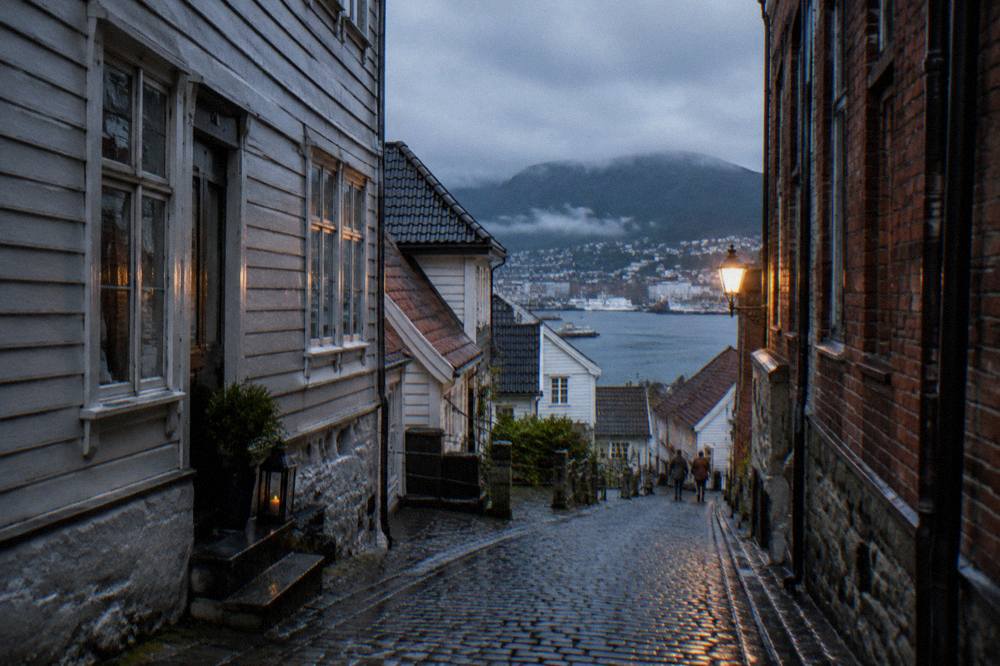
The lanes themselves are short enough to wander without a plan. Marken is the wider, longer of the two, the street most locals mean when they say they are going into town to shop. Skostredet is the one people photograph: cobbles, low shopfronts, and a slower rhythm. You do not need a map for either. Walk Marken end to end, drop one lane over, and you are on Skostredet.
| Street | Character | What You Find There |
|---|---|---|
| Marken | Wider pedestrian spine, the main central shopping street | Clothing boutiques, homeware, cafes, easy through-walking |
| Skostredet | Narrower cobbled lane one block over | Small independents, coffee shops, designer and gift shops |
| The connecting lanes | Short cross-steps between the two | café windows, cobbles, the photo angles the area is known for |
For orientation, treat the lanes as the hinge between harbourfront Bergen and the quieter residential streets that climb west. The Bergen City Centre guide covers the wider grid, including Torgallmenningen, the main square, and the shopping streets that feed into Marken from the harbour side.
What Makes Marken And Skostredet Different From The Rest Of Central Bergen?
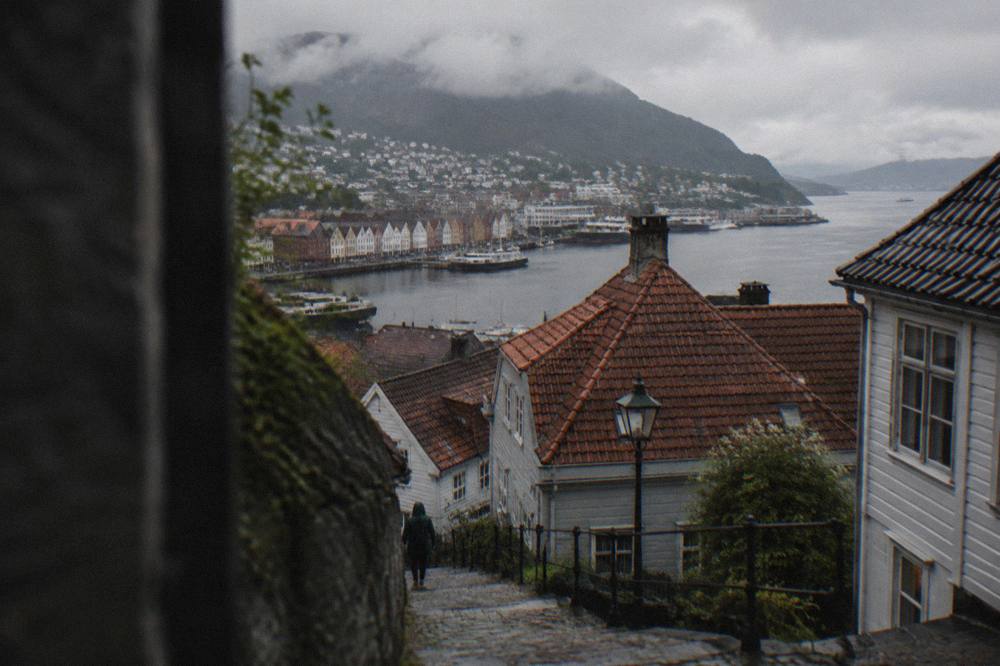
The difference is scale and texture. Marken and Skostredet keep a low, cobbled, low-rise character of small independent shops, cafes and boutiques, while central Bergen around the harbourfront carries the bigger retail, the fish market crowds and the cruise-terminal bustle. Both lanes are pedestrianised, so the pace drops the moment you step onto the cobbles, and the shopfronts lean local rather than chain-led, which is why photographers and slow walkers gravitate here first.
That texture is not an accident. The lanes sit inside the oldest part of the walkable centre, where the street pattern predates the modern retail streets, and the buildings stayed low and narrow. Nothing on the two streets feels designed for a tour group. It feels designed for people who live a ten minute walk away, which, in a city of 294,860 residents in the municipality as of 1 January 2026 per the kommune's population page, is exactly who shops here on a Tuesday.
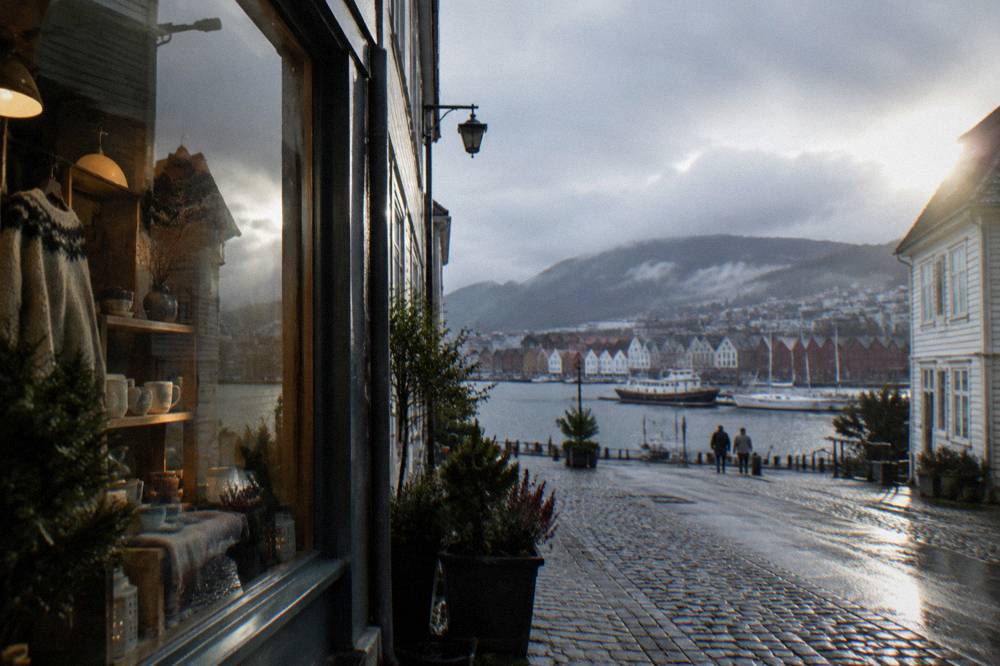
Rain changes the lanes rather than closing them. This is a city where yr.no's Bergen station table shows 217 days with precipitation across the trailing 13 months, and the cobbles hold the reflections, shop lights come on early, and the cafes fill. Visitors who treat rain as a reason to leave usually discover the opposite: the lanes are at their most atmospheric wet. The umbrella goes up, the camera comes out.
For anyone building a first visit, a one day in Bergen itinerary that pairs the lanes with Bryggen and one mountain viewpoint is the standard shape, and it works because everything involved sits inside the same walkable grid.
The three options above are the ones this site's booking data most often pairs with a central-Bergen stay: a guided food walk through the central streets, a locally operated Mostraumen fjord cruise from the harbour, and a night tour that takes in both cable cars above the city. All three start from points within the walkable core, which is why they slot so naturally around a Marken and Skostredet afternoon.
What Can You Actually Do On A Day Around Marken And Skostredet?
A full day here runs entirely on foot: slow shopping on Marken, coffee and a bakery stop on Skostredet, then a loop out to the surrounding sights inside the same central grid, from Bryggen's UNESCO-listed wooden wharf, inscribed in 1979, to the fish market on the harbourfront. The Bergen Card covers museums and city transport, with a 24-hour adult pass at 400 NOK from the official 2026 flyer, so the lanes fold neatly into a wider museum and mountain day.
Start on Marken while the morning light is still on the cobbles. The street is at its quietest before midday, and the shopkeepers are unhurried, which is when the conversations happen. Drop over to Skostredet for the independents and the photos, then let the lane carry you toward the harbour. By early afternoon you are standing in front of Bryggen, and from there the whole waterfront opens up.
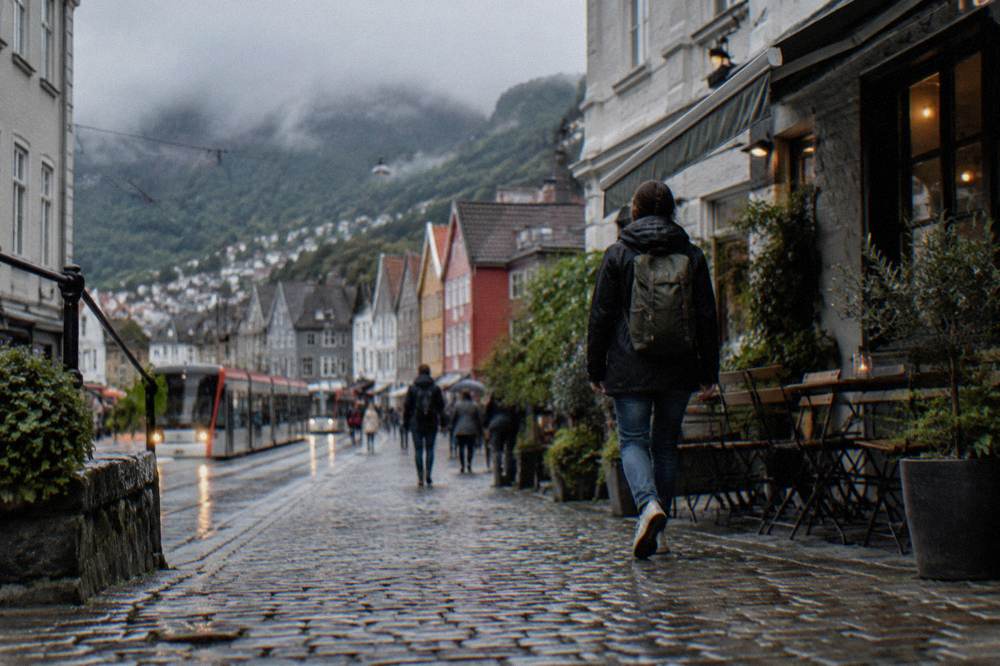
The museums around the grid are where the Bergen Card earns its price. The official 2026 flyer, published by visitbergen.com, lists exact ordinary prices for the major sights, and the table below pulls the headline figures from it. A card holder moving between two or three of these in a day typically comes out ahead, and the card also includes free Skyss buses and the Bybanen light rail across Vestland county, including the airport line.
| Attraction | Ordinary Adult Price (NOK) | Notes From The 2026 Bergen Card Flyer |
|---|---|---|
| Fløibanen funicular, return | 200 (1 Apr to 30 Sep) / 145 (1 Oct to 31 Mar) | Seasonal split on the ordinary ticket |
| Ulriken643 cable car, return | 435 | Confirmed on ulriken643.no as well as the flyer |
| The Aquarium (Akvariet) | 380 (1 Nov to 28 Feb) / 380 to 415 seasonal (1 Mar to 31 Oct) | Seasonal pricing applies |
| Hanseatic Museum | 160 | Price listed with a guided visit |
| Bryggen Museum | 170 | 85 NOK with the Bergen Card |
| Haakon's Hall | 120 | At Bergenhus Fortress |
One practical note on the funicular: Fløibanen's own price page shows no plainly stated figure, so the table uses the Bergen Card flyer's ordinary-price figures, which are confirmed. Where a number could not be confirmed from a primary source, this page does not print one.
After the museum loop, the lanes are the natural end point. Late afternoon is when Skostredet shifts from shopping street to evening street: shops close, cafe lights stay on, and the dinner tables start filling. Visitors who spent the day chasing fjord views come back to the cobbles to slow down, and that rhythm, busy morning, quiet golden evening, is the pattern the area runs on.
Where To Eat And Drink Around Marken And Skostredet?
Expect independent cafes, bakeries and small restaurants rather than large halls. The lanes are where Bergen's coffee culture and its famous cinnamon buns, skillingsboller, sit alongside small-plate dinners and slow brunches, while the big seafood scene stays down on the harbourfront at the fish market. There is no food market here, so Marken and Skostredet work best for cafe mornings, pastry stops between shops, and a sit-down dinner after the day-trippers have gone.
The food identity of the lanes is cafe-led. Coffee is a serious business in Bergen, and the small roasters and espresso bars of the central grid punch above the city's size. Skillingsboller, the Bergen cinnamon bun, is the classic pairing: warm, heavy on cardamom and cinnamon, and the reason a mid-morning stop is built into almost every local's weekend. Seafood, by contrast, belongs to the harbour, and visitors who want the full fish-market experience should plan that separately.
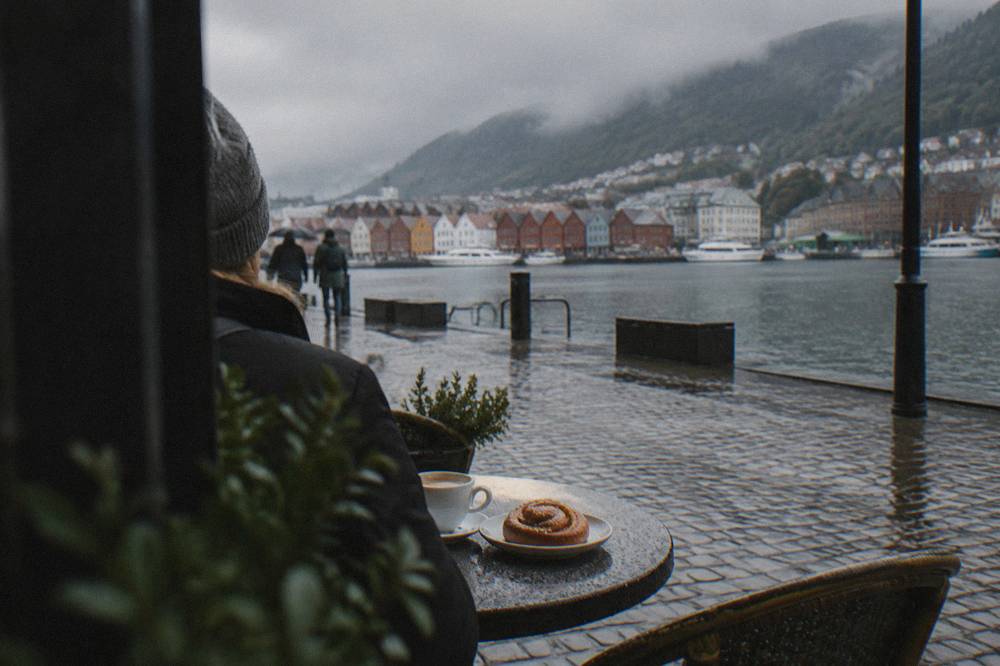
For visitors who want the food explained rather than discovered, a guided walk does the work of a week of trial and error. The site's featured option is the A Taste of Bergen food tour with Fløibanen, which pairs the central food stops with a ride up the funicular, Check availability for the operator's live listing. A guided food walk turns the lanes from a pretty shortcut into a running commentary on what Bergen actually eats.
The operator's listing carries the current price and dates. As a planning frame, think of a food walk as a lunch replacing commitment, and book the earliest slot in the day so the afternoon stays free for the museum loop.
| What To Try | What It Is | Where It Fits In The Day |
|---|---|---|
| Skillingsboller | Bergen's signature cinnamon and cardamom bun | Mid-morning stop on the lanes, with coffee |
| Espresso and filter coffee | Small roasters and independent cafes through the central grid | Anytime, the default rain shelter |
| Small-plate dinners | Independent kitchens in and around Skostredet | Evening, after the shops close |
| Harbourfront seafood | The fish market and waterfront restaurants | A separate trip down to the water |
Tasting fees and menu prices are not published by the individual kitchens in this site's sourced facts, so treat the table as a shape for the day, not a budget. Check each room when you arrive, prices move with the season.
How Do Marken And Skostredet Compare With Bergen's Other Neighbourhoods?
Marken and Skostredet are the shopping-and-cafe district of central Bergen: cobbled, pedestrianised and commercial, where the city's other named areas each carry a different character. Nordnes is the quiet peninsula of museums and bathing spots, Sandviken is the old wooden-house district north of Bryggen, the Old Town collection holds the historic buildings, and Fana, far to the south, is the villa suburb that hosts Troldhaugen and Fantoft. No ranking among them was ever sourced, so this is character, not a league table.
The honest framing is that they serve different purposes on different days. A first-time visitor does the central grid, the harbour and one mountain on day one, then spreads outward. Rainy days push people toward the museums of Nordnes, and clear evenings pull them up the cable cars. The lanes are the constant, the bit of the city that works in every weather and every season.
| Neighbourhood | Character | Best Suited To |
|---|---|---|
| Marken and Skostredet | Cobbled pedestrian lanes, independents and cafes | Shopping, cafe mornings, photo walks |
| Bergen City Centre | The wider grid: squares, main retail, the harbour edge | First visits, everything-on-foot days |
| Nordnes | Peninsula of museums, old dockside streets and a seawater pool | Museum mornings, quiet walks |
| Sandviken | Old wooden houses climbing the hillside north of Bryggen | Photography, the postcard view of old Bergen |
| Bergen Old Town | The historic buildings and open-air museum collection | Families, history-focused visits |
| Fana | Southern suburb, home to Troldhaugen and the Fantoft stave church | Half-day trips out of the centre |
The comparison that matters most is with the harbourfront itself. Bryggen and the fish market are where the crowds are, and deservedly so, but they are working sights: you queue, you photograph, you move on. The lanes are where you stop moving. That is the whole distinction, and it is why locals direct visitors here when the waterfront gets loud.
What Weather Should You Expect Around Marken And Skostredet?
Bergen has a temperate oceanic climate, wetter than most of Norway, and the cobbles of Marken and Skostredet get the full share. yr.no's Bergen station table shows 217 days with precipitation across the trailing 13 months, with monthly mean temperatures running from -1.4C in January 2026 to 14.9C in July 2026, and November standing out as the wettest observed month at 321.8mm. Pack a rain layer in every month of the year, including summer.
The table below is drawn directly from Met Norway data via yr.no, the trailing observed months rather than long-term averages, which is why it reads the way a real year in Bergen reads: mild, and wet. The numbers matter for planning because they set expectations. Nobody visits this city for a beach forecast. They visit for the cobbles, the fjord light and the atmosphere the rain helps create.
| Month | Mean Temperature (C) | Precipitation (mm) |
|---|---|---|
| September | 13.1 | 206.6 |
| October | 9.7 | 231.9 |
| November | 6.0 | 321.8 |
| December | 5.8 | 303.5 |
| January | -1.4 | 82.0 |
| February | 0.8 | 133.4 |
| March | 5.9 | 243.9 |
| April | 7.9 | 65.9 |
| May | 9.9 | 127.4 |
| June | 14.4 | 165.7 |
| July | 14.9 | 184.2 |
| August | 14.3 | 243.6 |
Two patterns are worth reading out of the data. Winter is milder than visitors expect, the December mean sits at 5.8C, but it is the wettest stretch of the year, with November and December both above 300mm in the observed period. Summer is the driest stretch and the busiest, and a rainy July afternoon on Skostredet is still a completely normal July afternoon in this city.
How Do You Get To Marken And Skostredet?
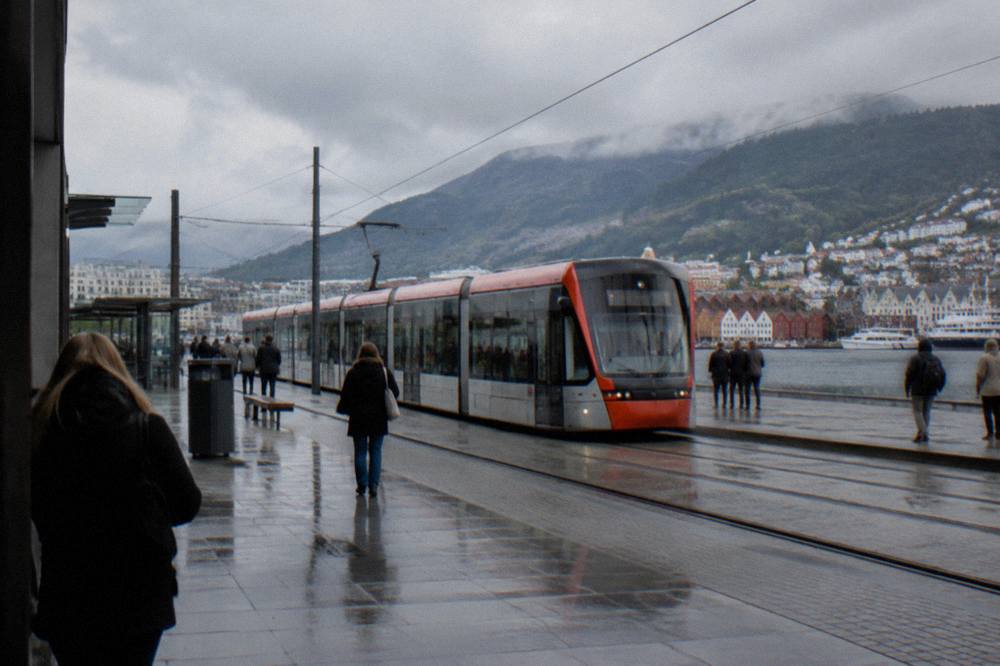
You walk here. Marken and Skostredet sit inside the central pedestrian grid, reachable on foot from any city-centre hotel, and a Skyss zone A single ticket costs 51 NOK if you are arriving from further out, per visitbergen.com's transport page. The Bergen Card, from 400 NOK for a 24-hour adult pass, includes free Skyss buses and the Bybanen light rail across Vestland county, including the airport line, which makes the lanes the natural first stop off the tram for airport arrivals.
The practical point is that no dedicated transfer exists or is needed. The Bybanen's city-centre stops put you inside the same grid as the lanes, and from there every movement is on foot. Visitors staying in the centre never touch public transport for the lanes at all, they simply walk out of the hotel and downhill or level until the cobbles start.
| Transport Option | Cost | What To Know |
|---|---|---|
| On foot from the city centre | Free | The default, the grid is compact and pedestrianised |
| Skyss zone A single ticket | 51 NOK | For arrivals from outside the walkable core |
| Bergen Card 24h | 400 NOK adult / 100 NOK child | Includes Skyss buses and Bybanen, including the airport line |
| Bergen Card 48h | 500 NOK adult / 125 NOK child | Same transport inclusion, longer window |
| Bergen Card 72h | 600 NOK adult / 150 NOK child | Suited to a museum-heavy stay |
| Bergen Card 96h | 700 NOK adult / 175 NOK child | The longest option in the 2026 flyer |
Two gaps in the sourced facts are worth flagging honestly. The Bybanen's airport-to-centre journey time in minutes could not be confirmed, so no figure appears here. The same goes for the Flybussen airport bus fare, and the Bergen Card flyer confirms the airport bus is not included free with the card. Check the operator's own pages before relying on either.
For cruise passengers the lanes are even simpler: the terminal sits on the harbour, the grid starts at the top of the quay, and the lanes are the nearest quiet shopping streets to the ship. A rainy day plan built around the lanes, the museums and a long cafe stop is the most-used fallback in this city, and with 217 wet days in the trailing 13 months, it gets used a lot.
Can You Combine Marken And Skostredet With A Fjord Trip Or A Night Tour?
Yes, and the lanes' central position is exactly what makes it work. The fjord-cruise and day-trip departures leave from the harbour within easy walking reach of Skostredet, so a morning on the Mostraumen fjord cruise or a Hardangerfjord day trip slots in before an afternoon of the shops, while the Fløyen funicular and the Ulriken cable car put the two mountain viewpoints over the rooftops on either end of the same day. Nothing in that plan needs a transfer.
The classic shape is cruise in the morning, lanes in the afternoon. Mostraumen boats depart from the harbour side of the grid, and the return lands you back within the same walkable core, so a late lunch on Skostredet and a slow shopping afternoon follow without any logistics at all. That is the pattern most repeat visitors settle into, and it is the one this site's own booking data reflects.
The listing carries the current price, rating and departure times, and the operator's live page is the source of truth. As a planning note, the cruise window is the one to protect: it eats a morning, which leaves the lanes and one mountain for the rest of the day.
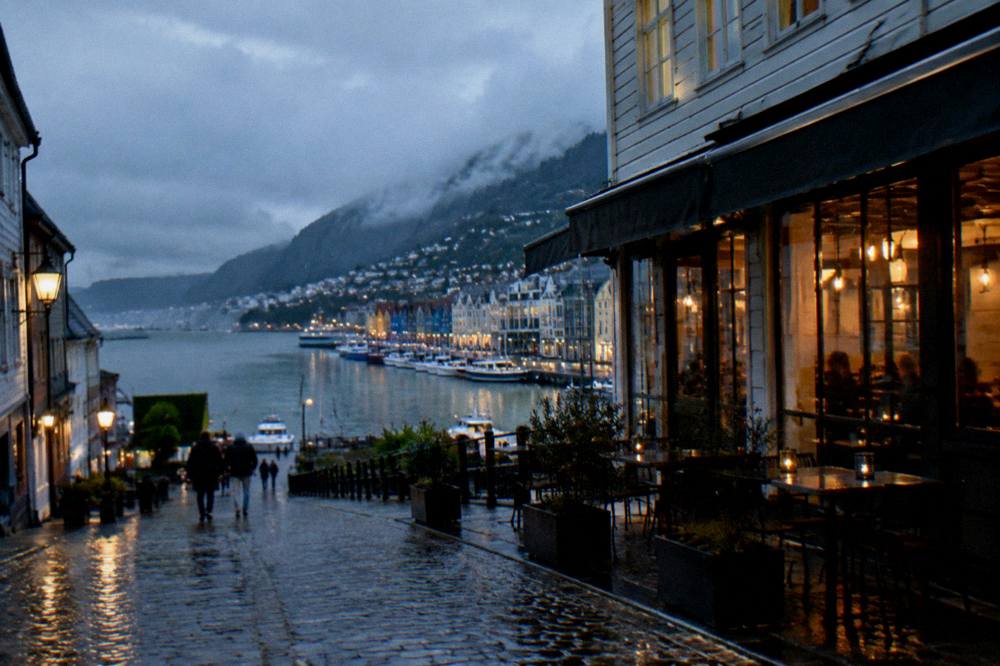
For visitors who want the mountains without giving up the evening, the night tour is the efficient route: it takes in both the Ulriken cable car and the Fløyen funicular after dark, with the city lit below, and returns you to the grid for a late dinner. The operator has not published a rating, and the listing carries the current price and start time.
Whichever combination you choose, the underlying advice is the same: build around the lanes, not away from them. They sit at the centre of every route in this city, they hold up in the rain, and they are the part of Bergen most visitors mention a year later. Bergen Travel Guide covers the surrounding areas, itineraries and day trips in depth if you want to widen the plan beyond the cobbles.
Common Questions About Marken And Skostredet
Is Marken in Bergen worth visiting?
Yes, if you value atmosphere over attractions. The lanes have no single headline sight; their value is the cobbled pedestrian character, the independent shops and the cafes. Visitors with only a few hours in Bergen usually prioritise Bryggen and one mountain first, then fit the lanes in around them, which is easy because everything sits in the same walkable grid.
What is the difference between Marken and Skostredet?
Marken is the wider, longer pedestrian shopping spine of the central grid. Skostredet is the narrower cobbled lane one block over, known for small independents, coffee shops and the photo angles. Most people walk Marken end to end and drop onto Skostredet for the slower stretch.
Is Marken and Skostredet free to visit?
Walking the streets is free; they are public pedestrian lanes. What costs money is what you choose to do: shopping, cafe stops, and any museums or attractions you fold into the same walk. The official 2026 Bergen Card flyer lists exact ordinary prices for the surrounding sights if you plan to stack several.
Are Marken and Skostredet good in the rain?
Yes, arguably better. This is a city with 217 days of precipitation in the trailing 13 months per yr.no's Bergen station table, and the cobbles hold the reflections while the cafe windows light up early. The lanes are a standard stop on any wet-weather plan.
When are the shops on Marken and Skostredet open?
Individual opening hours are set by each shop and are not published in this site's sourced facts, so no hours figure appears here. Check each shop's own listing before planning a late-evening shopping trip, and assume the standard Norwegian pattern of earlier closing than many visitors expect, especially on weekends.
Can you reach Marken and Skostredet from the cruise terminal on foot?
Yes. The cruise terminal sits on the harbour, the central grid starts at the top of the quay, and the lanes are the nearest quiet shopping streets to the ship. No transport is needed for that walk; a Skyss zone A single at 51 NOK only comes into play for journeys from outside the walkable core.