Which Seat Is Best For Oslo To Bergen Train?
Practical seat advice for the Oslo to Bergen railway, which side to pick, what the route does on each side, and what to do the moment the train reaches Bergen, Norway.
The Oslo to Bergen railway drops you straight into the middle of Bergen, the old Hanseatic trading city in Vestland county on Norway's southwestern coast, and the seat you choose for the ride shapes what you actually see on the way. This is one of the few train journeys where the booking detail genuinely matters, because the route crosses high mountain plateau country, runs along lakes and cuts through some of the most dramatic scenery reachable by rail anywhere in Scandinavia. This page lays out the seat advice in plain terms, then covers what to do once the train reaches the Bergen platform.
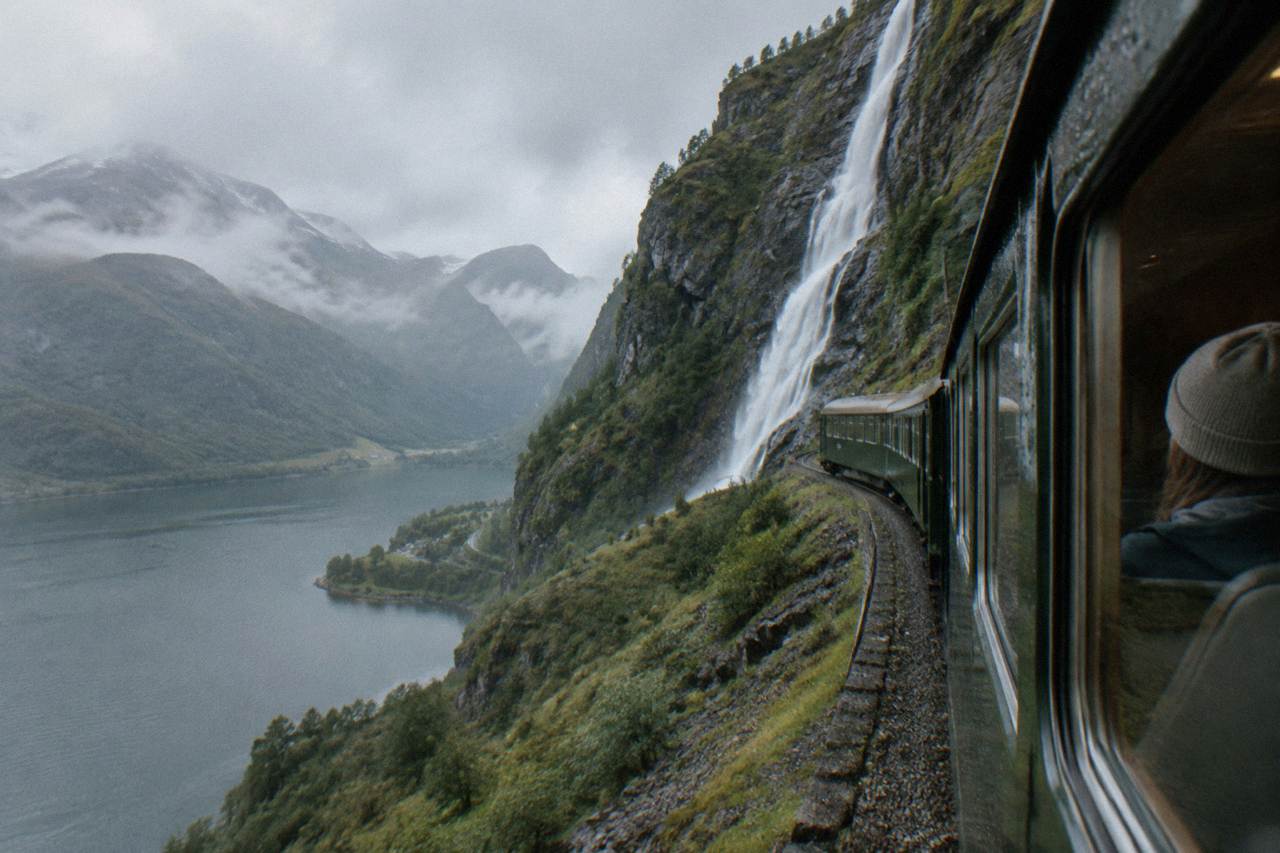
Which Seat Is Best For Oslo To Bergen Train?
A window seat on the left side of the train, facing the direction of travel, is the seat most rail travellers recommend for the westbound run from Oslo to Bergen, because the left side keeps the mountain plateau and lake scenery in view for longer stretches of the climb before the descent toward the coast. Pair it with a forward-facing seat away from the doors, and the ride stays both scenic and calm.
That is the short answer, and it is the one repeated most often by people who have ridden the line in both directions. Two clarifications make it more useful. First, "left" means left as you sit facing forward in the direction the train travels, so on the westbound departure from Oslo that is the left-hand window when you look toward the front of the train. Second, no side of this train is a bad seat: the route is spectacular on both sides, and the difference between left and right is a matter of which views linger rather than whether views exist at all. If the left side is fully booked, a right-side window still gives you a ride worth the fare, and anyone telling you a trip was ruined by the wrong side is stretching it.
The deeper reason seat choice matters here is pacing. The route crosses the Hardangervidda, a vast high plateau, before dropping down toward Voss and then the coast at Bergen. Travellers who pay attention to which side the plateau falls on generally spend less of the climb craning across the aisle and more of it simply watching. If you want the full route background, the companion guide at the Oslo to Bergen train overview covers the whole journey in detail.
Why The Left Side Matters On The Way To Bergen
The left side matters because the westbound climb out of Oslo and the crossing of the Hardangervidda keep some of the widest and longest-held views, including long lake stretches, on the left of the train for extended sections, while the right side tends to carry more of the near-cuttings and shorter sightlines. The difference is real but not absolute, and the best window is the one you actually book.
Rail travellers writing about this line consistently describe the same pattern. On the way up from Oslo, the left window holds the broader panorama as the line gains altitude across the plateau, and the light across the open moorland tends to sit on that side for much of the middle of the day. The right side is not barren; it serves its own views, often closer and steeper, and plenty of riders prefer that framing. The honest position is that the left side gives you more minutes of wide scenery per hour of travel, which is why it is the default recommendation.
One practical note softens the whole debate. On many departures the seat map lets you pick sides at booking, and if the left windows are gone, a right-side seat one row behind a gap in the wall or near the café area often compensates. Swapping at a stop is common practice on this line too, and Norwegian trains are generally low-stakes places to quietly move to an empty seat when one frees up mid-route. Nobody should leave this decision until the platform, because the best seats go when the cheaper fare buckets go.
Where To Sit For Quiet, Luggage And Space On The Train
For quiet and comfort, aim for a forward-facing window seat in the middle of a carriage, away from doors, the café area and wheelchair-accessible bays, and near the luggage shelves rather than the vestibule ends where cases pile up. A middle-of-carriage seat trades a slightly slower exit at Bergen for a calmer ride, which is a trade most people are happy to make on a long mountain crossing.
The quiet logic is the same on this line as on any long-distance service. Doors hiss, groups gather near the café, and the vestibules are where every suitcase in Scandinavia seems to converge. Sitting a few rows from either end of a carriage removes almost all of that. The luggage point deserves its own sentence: Norwegian long-distance carriages have shelf space that fills early, so boarding early, or sitting near the shelves, means your case stays in sight instead of wedged at the far end of the carriage. Families and groups should also know that seat pairs around tables are the social seats, and they are exactly where the noise is.
The is a train ride from Oslo to Bergen worth it page covers whether the journey itself justifies the fare, which is the natural next question once you have decided where to sit.
Should You Switch Sides On The Return Trip From Bergen?
On the eastbound return from Bergen toward Oslo, the side that carried the long plateau views on the way out becomes the opposite side, so travellers who sat left going west should book right going east if they want the same framing. In practice, many riders deliberately book the other side on the return to see the scenery they missed, which is the smarter way to treat a round trip.
This is the part of seat advice that most one-page answers skip. The scenery does not move; the train does. Whatever sat on your left heading west sits on your right heading east, and riders who internalise this get two different journeys out of one stretch of track rather than two identical ones. If you rode out with the lakes and plateau on the left, coming back with them on the right hands you a fresh set of views for the climb from the coast, and the brief downhill stretch into Oslo offers its own framing on the side you did not use before. The rest of the planning pages sit on Bergen Travel Guide.
The same quiet-and-luggage rules apply in both directions, and nothing about the eastbound run changes the door-and-café logic. Season matters too. The Bergen end of the line sits in one of the wettest parts of a wet coast, and yr.no's Bergen station table shows a trailing 13-month count of 217 days with precipitation, so westbound riders arriving into that climate should expect cloud somewhere along the descent no matter which side they pick. The plateau above is often where the train climbs out of the coastal murk into clear mountain air, which is one of the quiet delights of the direction of travel.
What To Do When You Step Off The Train In Bergen
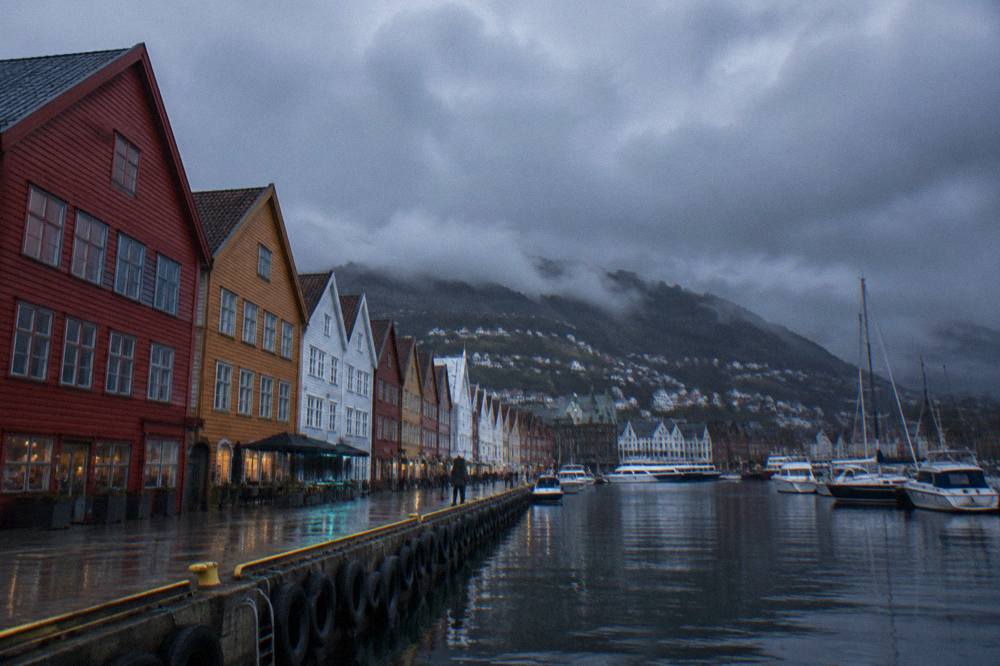
Bergen railway station empties you a short walk from the historic core, so the practical plan for arrival day is to drop bags, then head for Bryggen, the Hanseatic wharf inscribed on the UNESCO World Heritage List in 1979, and the fish market, all within easy walking distance of the station. A guided food and culture walk is the most efficient first evening for travellers who want the city explained while tasting it.
The city that greets you is compact, walkable and famously damp, with yr.no's observed monthly averages running from a July high of 14.9C down to a January low of -1.4C over the trailing 13 months. Arrive in autumn or winter and the light will already be closing; arrive in June and the waterfront will still be busy late. Either way, the station's position puts the whole of the historic centre on foot. The is it better to fly or train from Oslo to Bergen page goes deeper on the trade-offs, but nobody who arrives by train needs convincing on that particular morning.
For a first evening that is not just wandering, the Food and Culture Walk in central Bergen pairs a walk through the historic lanes with tastings along the way, and it is a natural fit for the afternoon a train arrives. Booking a place before you travel removes the end-of-journey decision fatigue, and free cancellation on the operator's live listing means the plan stays flexible if the train runs late or the coastal rain settles in.
What The Weather Is Usually Doing In Bergen
Bergen's coastal climate is temperate oceanic and wet, with yr.no's Met Norway data showing observed monthly means between -1.4C in January 2026 and 14.9C in July 2026, and precipitation totals in the trailing 13 months ranging from 65.9mm in April to 321.8mm in November, so train travellers arriving into Bergen should plan for rain at any time of year and for cool evenings even in summer.
The table below shows the observed monthly picture from the official yr.no statistics for the Bergen station, the same data that drives Norwegian weather forecasting. Two rows jump out. April was the driest observed month in the trailing window at 65.9mm, and November the wettest at 321.8mm, which is a fair summary of why shoulder-season pricing and shoulder-season weather go together in this city. None of this argues against the train; it argues for a waterproof layer in the day bag you stowed on those luggage shelves.
| Month | Observed mean temp | Observed precipitation |
|---|---|---|
| January 2026 | -1.4C | 82.0mm |
| April 2026 | 7.9C | 65.9mm |
| July 2026 | 14.9C | 184.2mm |
| November 2025 | 6.0C | 321.8mm |
| December 2025 | 5.8C | 303.5mm |
There is a second, quieter reason this matters to the seat question. The train's descent from the plateau toward Bergen often drops out of clear mountain air into coastal cloud within the space of a few kilometres, and riders on either side of the carriage watch it happen. The which is the rainiest month in Bergen page covers the wet end of the year in more detail for anyone planning a winter crossing.
Does The Seat Really Make Or Break This Train Ride?
The seat matters most on the plateau and the lake stretches, where the left window facing forward gives the longest-held views westbound, and it matters least on the final descent, where both sides get the fjord-arm scenery on the approach to Bergen. Travellers who book early for a forward-facing left window seat, keep bags nearby and stay off their phones for the plateau crossing will get the full value of the fare.
Every rail writer eventually says some version of this: the seat is maybe a quarter of the experience, and the other three quarters are simply being awake for it. The climb across Hardangervidda is the stretch where people lower their laptops. Sit where you can see, accept that the person beside you may need the aisle twice, and let the plateau do the rest. If your party cannot get seats together, splitting sides is actually a decent strategy, because each window sees things the other misses and you can swap notes at the café.
For travellers who want to turn arrival day into something structured rather than improvised, the picks below cover three ways to spend the first hours after the train: a food and culture walk through the historic core, a full-day glacier-lake excursion into Folgefonna National Park, and a self-guided audio tour of the city's landmarks for those who prefer their own pace.
Common Questions About The Oslo To Bergen Train
Which seat is best for Oslo to Bergen train?
A forward-facing window seat on the left side of the train, westbound toward Bergen, is the most commonly recommended choice, because that side holds the longer plateau and lake views on the climb. Sit mid-carriage away from the doors and the café for the calmest ride, and keep luggage on the shelves within sight.
Does the side you sit on really change the views that much?
Both sides get genuine scenery for the whole route, so no side is a bad choice. The left side westbound simply holds the wide plateau and lake views for longer stretches, while the right side serves closer, steeper framing. Many riders book the opposite side on the return trip to see the scenery they missed.
Is the Oslo to Bergen train worth sitting awake for the whole way?
Yes. The crossing of the Hardangervidda plateau and the descent toward the coast are the reason many travellers choose the train over flying, and the arrival on foot into central Bergen, a short walk from Bryggen and the fish market, saves an airport transfer at the end of a long travel day.
What should I do first once the train arrives in Bergen?
Drop bags and walk. The station sits within easy walking distance of the UNESCO-listed Bryggen wharf, the fish market and the historic lanes, and a guided food and culture walk covers the old town and its food in one outing if you want the city explained on day one.
Do I need to book a specific seat in advance?
Seat maps open when tickets go on sale, and the best windows go with the cheaper fare buckets, so choosing a side at booking is the reliable way to get the seat you want. If your preferred side is gone, a window on the other side still gives you a scenic ride, and empty seats often free up mid-route for a quiet move.
The seat is the smallest decision of the whole trip and the easiest to get right: left window, facing forward, bags in sight, and the plateau will do the rest. Bergen Travel Guide exists to make calls like this one simple, and the train from Oslo delivers you into the middle of one of Europe's most walkable historic cities with no transfer at all.