How Many Days Do You Need For Norway In A Nutshell?
How many days you need for Norway in a Nutshell from Bergen, including the minimum workable plan, what the route covers, and when an extra day pays for itself.
Bergen, on Norway's southwestern coast in Vestland county, is where almost every Norway in a Nutshell journey begins, and the question of how many days it needs has a shorter honest answer than most planning guides admit. The route itself is a single, very long loop of train, fjord boat and bus, sold by several operators and stitched together from ordinary public transport legs. What varies is everything around it: how much of Bergen you want to see, whether you sleep in the fjords or return the same night, and how much of your holiday you are willing to spend inside a vehicle window.
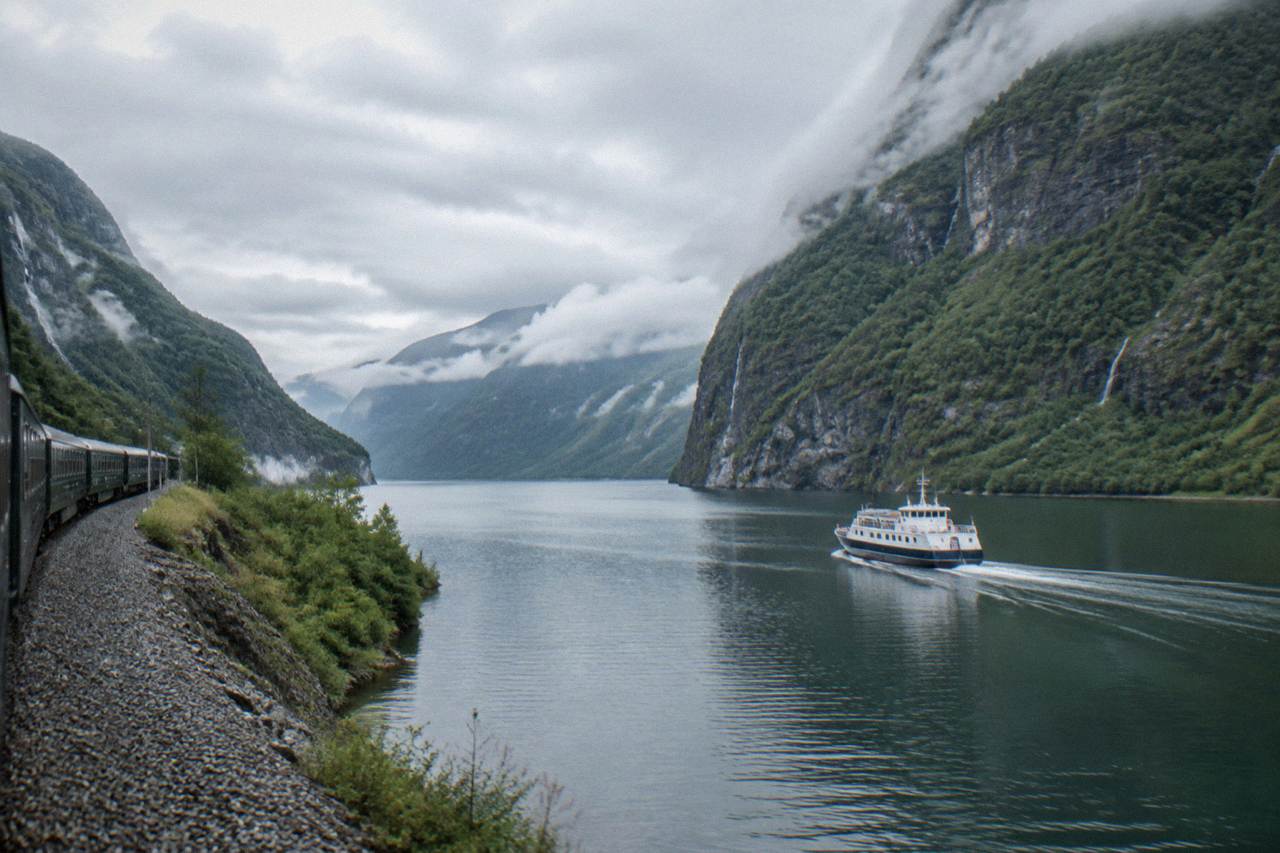
How Many Days Do You Need For Norway In A Nutshell?
The strict minimum is one very full day out of a Bergen base, with a second night in Bergen on either side to absorb delays and see the city itself; two days is the comfortable answer, letting you break the route with an overnight somewhere along the fjord; three days is only necessary if you also want real time in Bergen's centre. The reason the one-day version feels tight is not the route's length but its shape: it is a closed loop of coordinated legs, and a single missed connection anywhere in it can cost hours. A realistic plan for most travellers is two nights in Bergen bracketing one long touring day, or three days if the city itself, the Hanseatic wharf at Bryggen and the museums matter as much as the fjords.
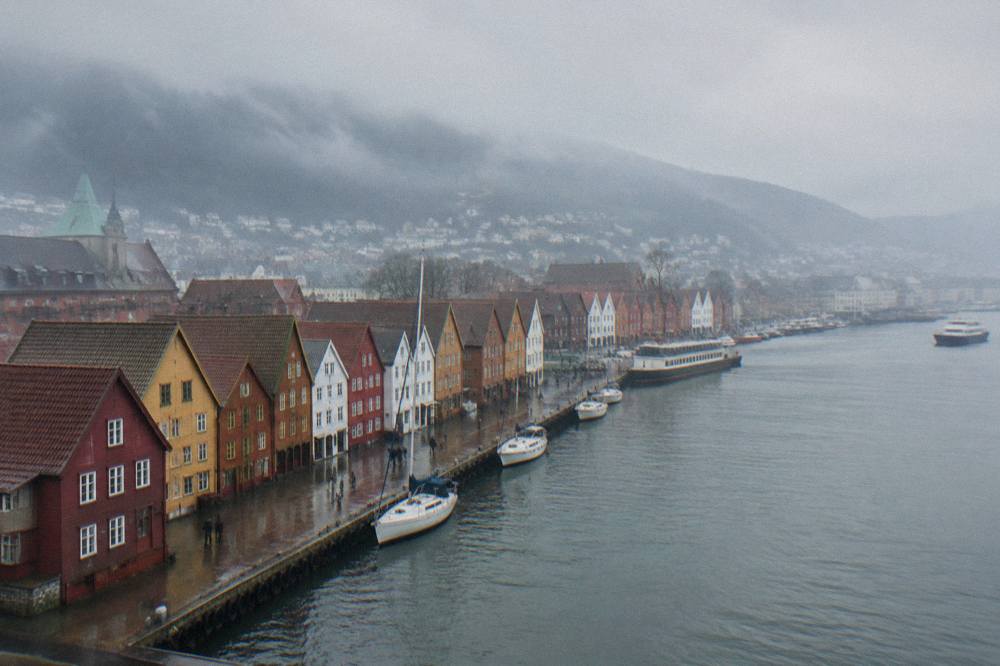
Bergen's operational details come from official listings rather than personal visits. Every operational detail here comes from what the operators' own listings and the city's official sources state, not from a remembered trip. The day-count advice below is built from the structure of the route itself, which is fixed and public.
What The Norway In A Nutshell Route Actually Covers
Norway in a Nutshell is a multi-leg loop that combines the Bergen railway, the branch line down to Flåm, a fjord boat across the Sognefjord's narrow Nærøyfjord arm, and a return bus toward Voss, all coordinated so the whole circle closes back in Bergen; it is a route, not a single guided tour, and multiple operators sell versions of it. The key consequence for day counting is that the legs are real scheduled services. The mountain railway, the Flåm Railway, the boat and the bus each run to their own timetables, and the "product" you buy is essentially a bundle of tickets plus a plan. That is also why the self-guided version exists: the do-it-yourself question has a genuinely positive answer for confident travellers, because the underlying transport is public.
The fjord boat leg is the part people remember, and the part where weather matters most. Bergen's climate is temperate oceanic and wetter than most of Norway: Met Norway's own station table, published through yr.no, shows monthly rainfall ranging from 82mm in a dry January to 321.8mm in a wet November, and 217 days with precipitation over the trailing thirteen months. A wet day does not close the fjords, but it changes what you see from the boat, and it is the single best argument for padding your plan with an extra day rather than gambling on one.
The route's named destinations, Flåm, the Flåm Railway, the Sognefjord, the Nærøyfjord and Voss, sit in some of the most photographed country in Norway. The Nærøyfjord arm is the UNESCO-inscribed stretch, a fjord landscape the organisation's own listing recognises for its exceptional narrowness and untouched shorelines. When the boat turns into that arm, the cliffs close in on both sides and the whole day of connections suddenly makes sense.
Can You Do Norway In A Nutshell From Bergen In One Day?
Yes, the full loop can be done as one long day trip from Bergen, and that is exactly how the most popular guided versions sell it, with a morning departure and a return the same evening; but it is a touring day, not a sightseeing day, and you will experience the fjords largely through windows and from the boat deck rather than on foot. The one-day plan works best for visitors whose Bergen stay is short and whose priority is simply to see the fjords once, properly, without an overnight commitment. For anyone who wants to linger in Flåm, hike a ridge above the water, or eat an unhurried meal somewhere with a view, the one-day format will feel like a connection schedule with scenery attached.
Check availability on the guided versions if you want the one-day format handled for you. The operators' live listings carry the current prices, departure details and inclusions, and those figures change often enough that a printed number here would mislead more than help. What stays stable is the shape: out from Bergen in the morning, down to the water, across by boat, back by bus before nightfall.
If one day is all you have, protect it. Book the earliest legs you can, keep a buffer in Bergen the night before rather than arriving that morning, and treat the evening return as a bonus rather than a promise. The route is built from scheduled services, and a delay anywhere propagates to every leg after it. For a fuller discussion of whether the tour justifies its price, see is the Norway in a Nutshell tour worth it, which breaks the question down by traveller type.
Two Days In Bergen: When The Extra Day Pays Off
Two days is the answer for most first-time visitors: one day for the Nutshell loop itself and one for Bergen, or one day for the loop plus an overnight in the fjords with a slower return, which converts the rushed one-day version into a journey with a night in it. The overnight-in-the-fjords variant is the one experienced travellers tend to recommend. Sleeping in Flåm or somewhere along the water means you see the fjords in the low, slanting light that day-trippers never get, and your return legs the next morning run on the same timetables with none of the same pressure.
The table below is the honest planning version, not an operator promise. It assumes Bergen as the base, which is how the route is almost always sold.
| Plan | Days needed | What you get | What you give up |
|---|---|---|---|
| One-day loop from Bergen | 1 touring day + 2 nights in Bergen | The full route in one pass: railway, Flåm, fjord boat, Nærøyfjord | Time on foot anywhere; any hiking; relaxed meals |
| Loop with a fjord overnight | 2 days | The same legs, unhurried, plus evening and morning light on the water | A full second day in Bergen itself |
| Loop plus Bergen proper | 3 days | The route plus the wharf, museums and a mountain viewpoint in the city | Nothing, except holiday length |
Bergen's own sights deserve more than the leftovers of a fjord day. Bryggen, the Hanseatic wharf, is the city's UNESCO-listed core, inscribed in 1979 according to UNESCO's own listing, and the streets behind it are a warren of wooden workshops worth an unhurried hour on their own. A two-day Bergen itinerary covers how to fit that in; the how many days in Bergen is enough question has a fuller treatment for the city half of the equation.
The pairing that wears best is three days total: two for the route with the overnight, one for the city. If that sounds generous, remember what the region's weather does to tight plans. With 217 wet days in the trailing thirteen months at the Bergen station, the chance that both your fjord day and your city day stay dry is not a bet worth structuring a trip around. An extra day is insurance as much as leisure.
Guided alternatives compress some of this. Several operators run escorted versions that bundle the Nærøyfjord cruise with the Flåm Railway and the Stegastein viewpoint above the water, which is a way to get the overnight-quality views into a single touring day. The trade is simple: a guide handles the connections and you surrender the flexibility of choosing your own pace.
What A Realistic Day-By-Day Plan Looks Like
A realistic three-day plan runs day one in Bergen with the wharf, the harbour and one mountain viewpoint; day two as the full Nutshell loop with the fjord boat and the Nærøyfjord, returning to Bergen that evening; and day three as a slower half day in the city, a food walk, or a shorter fjord excursion like the Mostraumen cruise, kept deliberately loose so it can absorb whatever day two's weather or delays did. The logic is that the fixed, connection-heavy touring day sits in the middle, with soft days on either side of it. That structure survives almost anything the schedule or the sky does to it.
For the spare day, the Mostraumen fjord cruise is the classic short option: a half-length fjord arm that gives you the cliff-wall experience without the full circuit, and one this site rates carefully in is the Bergen fjord cruise worth it. Another strong use of a soft day is the food-and-culture side of the city, since what food Bergen is famous for is a question with a long, well-fed answer that starts at the fish market on the harbour.
The city day deserves at least one of Bergen's two mountains. Fløibanen, the funicular up Fløyen, has a seasonal round-trip fare: the Bergen Card's own 2026 flyer lists 200 NOK for an adult return between April and September and 145 NOK between October and March. Ulriken643, the cable car on the taller peak, lists a 435 NOK adult return on its own pricing page. Either gives you the harbour from above; Fløyen gives you the city, Ulriken gives you the scale of the mountains ringing it.
For the detailed leg-by-leg structure of the route itself, including the self-guided option and the trade-offs between booked bundles and individual tickets, the Norway in a Nutshell day-trip guide is this site's full treatment. If you are weighing a longer stay in the region, three days in Bergen extends the same logic.
One practical note that follows from all of the above: the season matters more than the day count. Summer gives you the widest choice of departures and the longest light; winter thins the timetables and can close upper legs entirely. Whatever the season, book the fixed legs before you leave home, because the flexible parts of your plan, the soft days, are the parts you can safely improvise, and per Bergen Travel Guide that is the ordering that keeps a fjord itinerary from collapsing into a missed-connection story.
Common Questions About Norway In A Nutshell
How many days do you need for norway in a nutshell?
One full day is the minimum for the loop itself, starting and ending in Bergen; two days if you add an overnight in the fjords, and three if you also want real time in Bergen's centre. The route is a coordinated set of train, boat and bus legs, so the day count is really about how much buffer and city time you want around it.
Can you do the route in one day?
Yes. The most popular guided versions are built exactly as one long day trip from Bergen, departing in the morning and returning the same evening. It works, but it is a touring day spent mostly in transit between viewpoints rather than a day spent at them.
Is it better to book a package or assemble the legs yourself?
A bundle removes connection risk: one booking, coordinated legs, and an operator to rebook you if a leg slips. Assembling it yourself from individual tickets is cheaper and more flexible but makes every connection your own problem. The self-guided question is covered fully on this site's page about doing Norway in a Nutshell on your own.
Where should you sleep, in Bergen or in the fjords?
Bergen for the first night, without question, so the morning departure is not hostage to an arrival delay. The interesting choice is the second night: back in Bergen, or in the fjords. The fjord overnight buys you the evening and morning light on the water, which day-trippers never see.
What is the best season for the route?
Summer, for the widest timetables and longest light. Winter versions run but with thinner schedules and the risk of weather disruption, and Bergen's station data shows 217 days with precipitation across the trailing thirteen months, so whatever the season, pad the plan rather than gambling on dry weather.